English
 Español
 Français
 Deutsch
 Italiano
 Português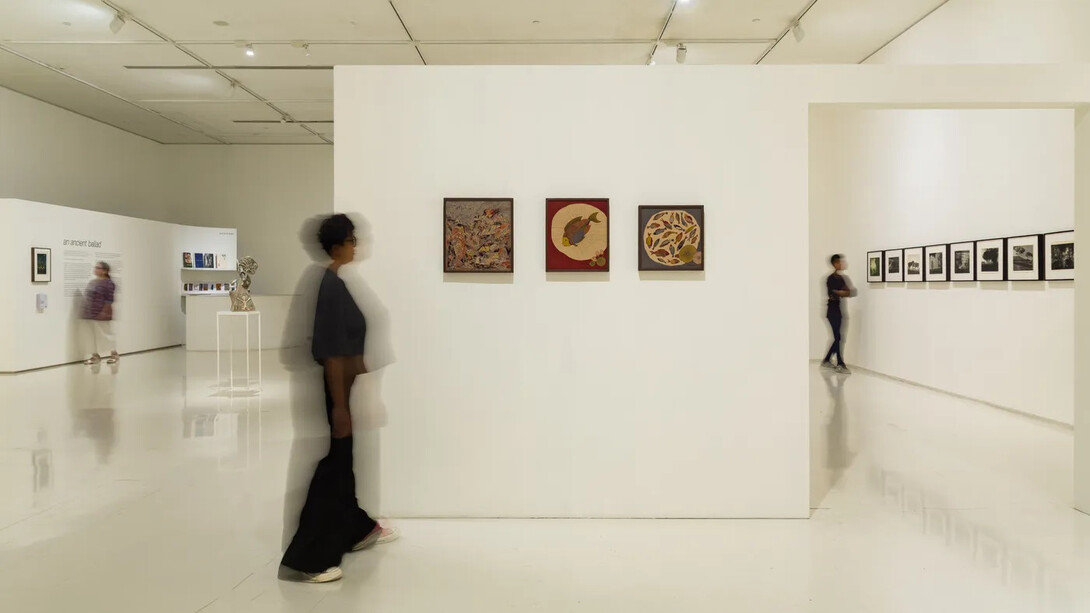
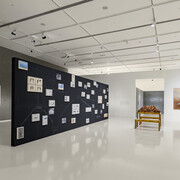
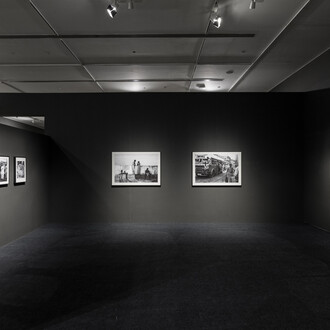
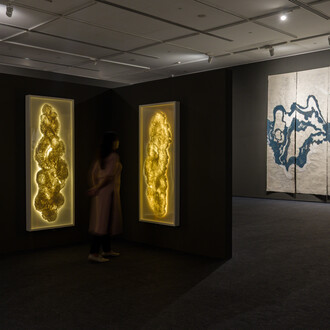
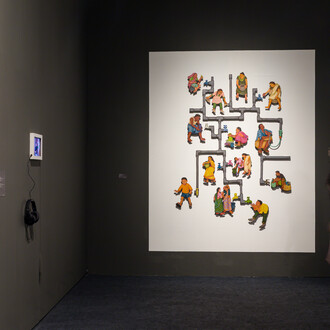
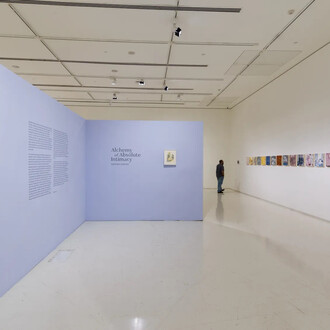
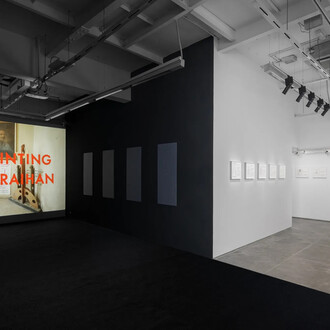
An ancient ballad brings together works across generations of artists to explore the recurring presence of the natural world, the human figure, and the animal form in modern and contemporary practices. Moving across photography, painting, printmaking, textile, ceramic, and wood, the exhibition looks at how certain images return over time while taking on new meanings shaped by changing material, social, and ecological contexts. What appears at first as a familiar visual language gradually reveals shifts in techniques, intentions, and sensibilities, illustrating how repetition becomes the site of difference.
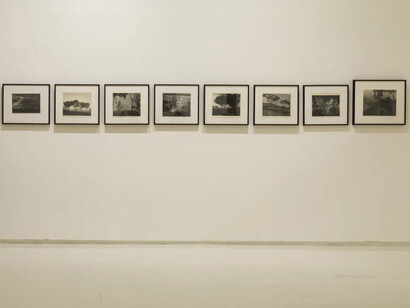
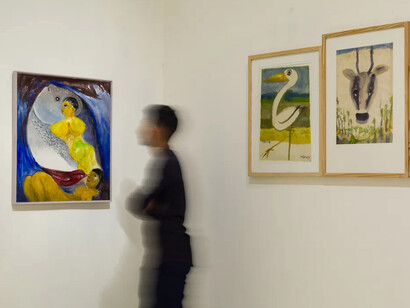
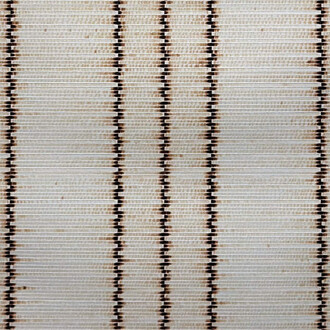
The show brings together L. M. Sen’s early photographic studies with K. C. Pyne’s dreamlike figuration, where human and animal bodies slip between allegory and strangeness. Around them cluster contemporary practices in textile and clay - Arunima Choudhury’s eco-printed, story-bearing forests, Ajit Kumar Das’s natural dye kalamkari cloths, and Alakananda Sengupta’s ceramic meditations on womanhood and touch, which treat surface as a record of labour and ecological memory.
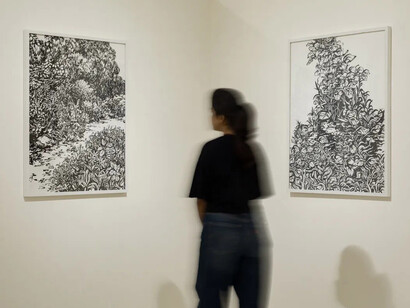
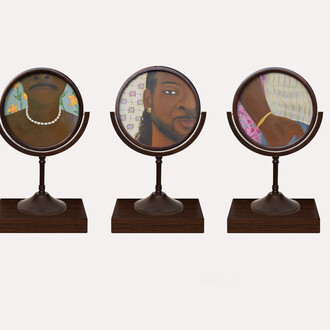
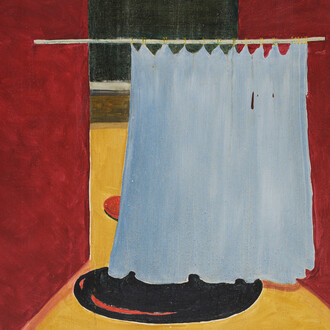
Metal and sculptural works by Tapas Biswas, Subrata Biswas and Partha Dasgupta explore absent/hybrid bodies through balance, weight and folk-modern vocabularies, while Chandra Bhattacharjee’s works hold figures in suspended, moonlit interiors. Printmaking anchors another strand: Raja Boro’s constructed forms and Rahul Sarkar’s intimate, queer bodies use ink, plate and repetition to think through memory, identity and the slow emergence of an image.
This exhibition aims to centre the role of material and technique in shaping the meaning of an image. Leaves, bodies, and landscapes appear repeatedly, but never in the same way, carrying the traces of the hands, tools, and histories through which they were made. By placing early works alongside contemporary explorations, we highlight both continuity and transformation, offering viewers an opportunity to encounter familiar forms through new perspectives.