English
 Español
 Français
 Deutsch
 Italiano
 Português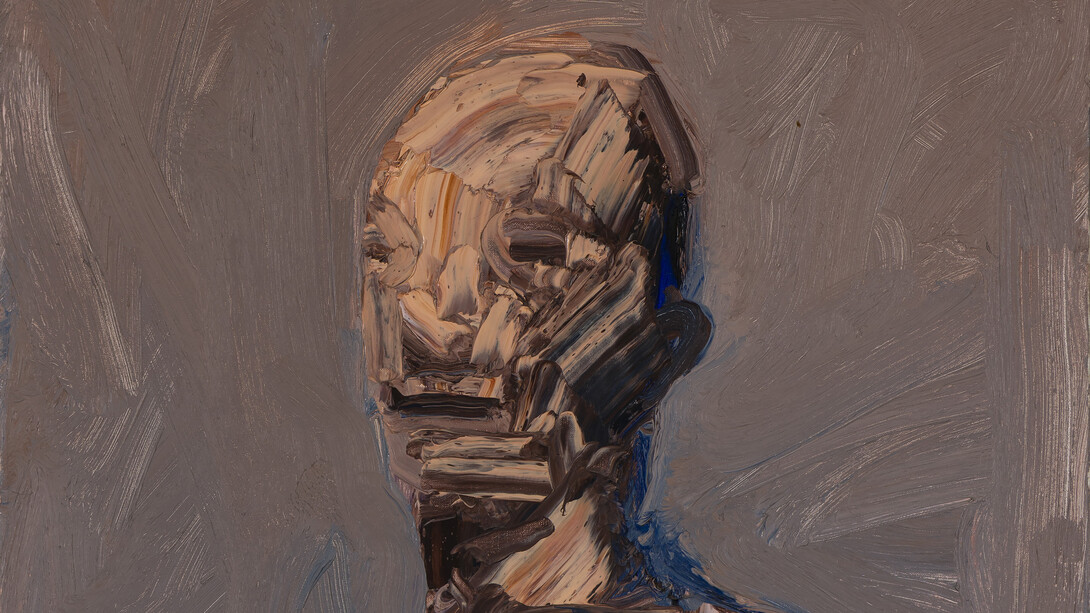
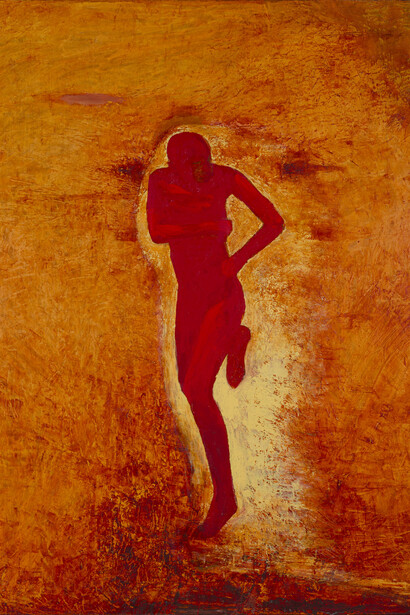
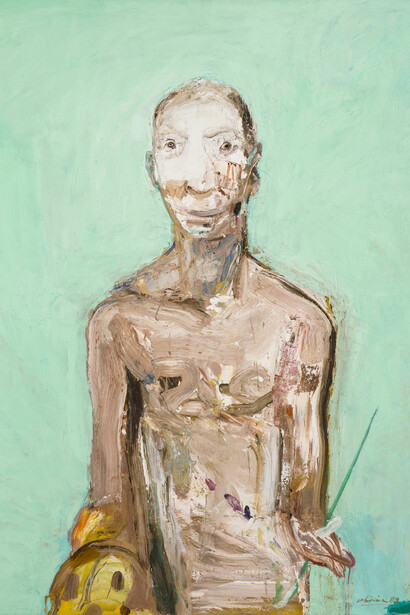
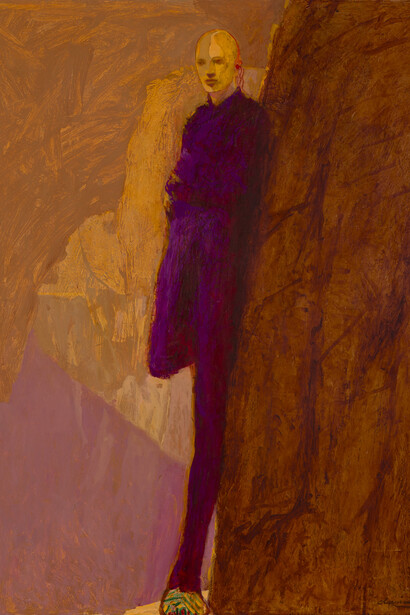
LewAllen Galleries will open the exhibition Nathan Oliveira: Bay area existentialist, featuring important examples of key works spanning five decades of the late well-known Bay Area artist’s career. This exhibition is a prelude to a major celebratory exhibition in 2028 planned at LewAllen for the centennial of the artist’s birth. As a preview, the works in this first exhibition survey important examples from Oliveira’s artistic practice, ranging from early, heavily textured portraiture to classic abstracted images of the full human figure, as well as later works featuring subjects such as antlers, bones and birds. The exhibition will be on view at LewAllen Galleries from July 3 through August 1, 2026.
Nathan Oliveira (1928-2010) is regarded today as one of America’s great masters of extracting profound meaning through a pictorial practice that converged elements of Abstract Expressionism with the figure in confronting the vexing existential complexities of man’s engagement with the uncertainties of a post-World War II environment. His reductive aesthetic that privileged painterly gesture as a primary means of expression to open the viewer’s perception is acclaimed for infusing deeply passionate impressions of modern anxieties, doubts and despairs – but also hopes for redemption in their midst. The authenticity of these expressive imprints are so engaging they elicit the viewer’s own imaginings about existence and the human condition in this world.
The exhibition features a range of Oliveira’s recurring subjects, including heavily impastoed heads, isolated figures, and later studies of natural forms such as antlers and birds. These subjects serve as a framework for exploring the artist’s existential inquiry, moving beyond traditional portraiture to address the complexities of embodiment and consciousness. Through these varied formsOliveira sought to deliver in his art the closest possible sense of his own personal experience and imagination, exploring the mysteries and possibilities of the human imagination. His long engagement with the human figure reflected his conviction that the “disquietude” of man was an animating force that, through the image of the figure, could impel transcendent emotional truths. He sought to express his sense of that emotional truth through his own form of figuration. His later shift toward natural subjects extends this exploration, treating antlers and avian forms as vessels for the same existential charge previously addressed through the human figure, reflecting a shared connection to a broader natural order.