English
 Español
 Français
 Deutsch
 Italiano
 Português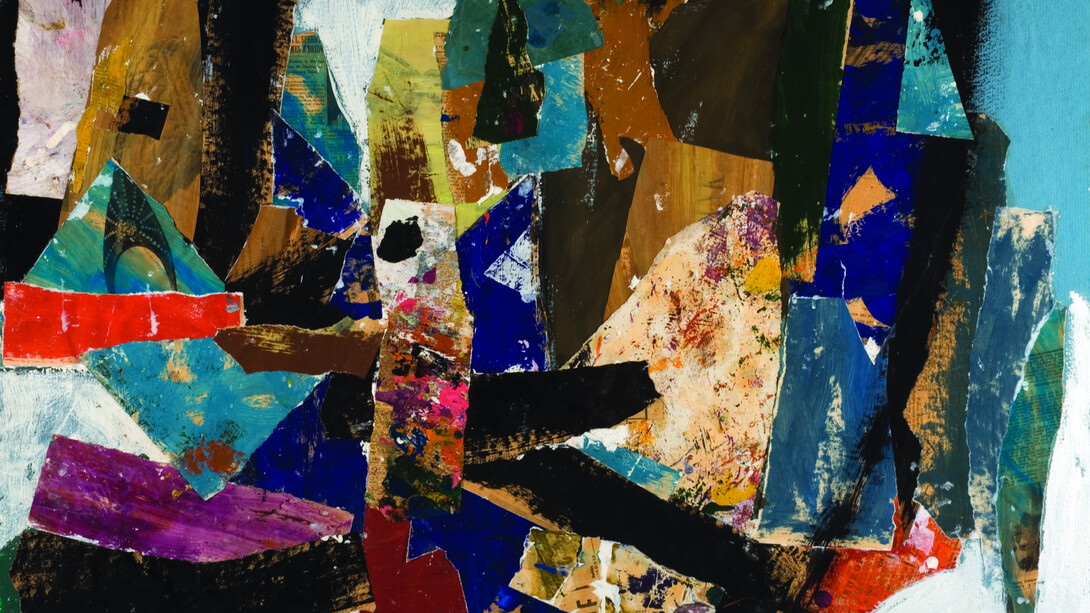
LewAllen Galleries is pleased to announce Color says it all, an extensive exhibition with a wide range of paintings, collages, and works on paper by the celebrated American abstract expressionist artist John Little (1907–1984). The exhibition will be on view from Friday, June 26, through July 25, 2026.
Regarded as a core figure of the New York School, Little’s four- decade-long practice operated under the conviction that color operates as both the essential medium and the fundamental grammar of art. Having studied under Hans Hofmann in the late 1930s and early 1940s, Little arrived at non-objective abstraction as reckoning of certitude, operating under the premise that pigment should be afforded total compositional primacy, entirely independent from literal illustration.
Little is central to the history of Abstract Expressionism. After a first New York solo exhibition at the Betty Parsons Gallery in 1948, the artist settled in Springs, East Hampton, as a neighbor and peer to Jackson Pollock and Lee Krasner. He mounted a two-person show with Pollock at Guild Hall in 1955 and over the ensuing decades, Little exhibited alongside Willem de Kooning, Robert Motherwell, and Franz Kline.
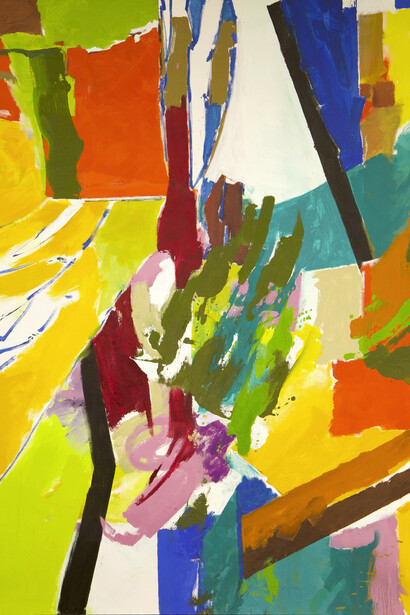
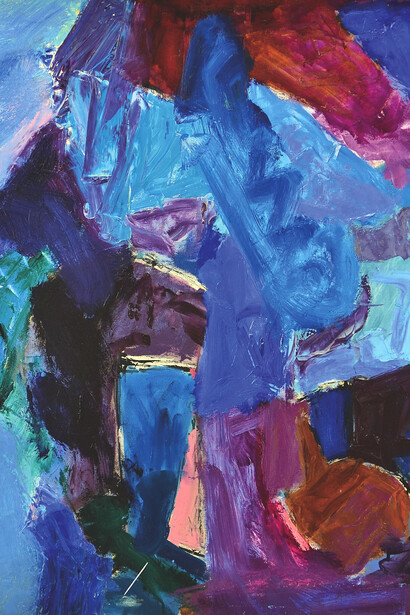
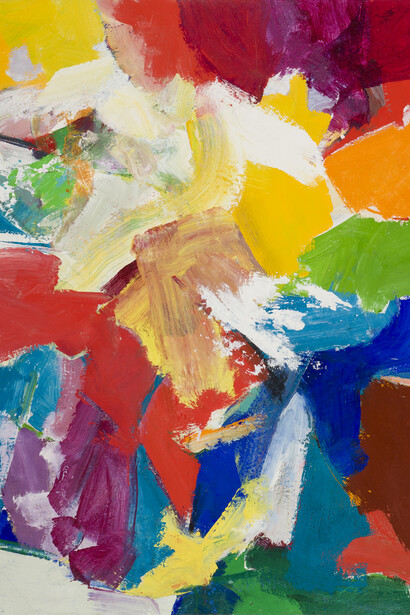
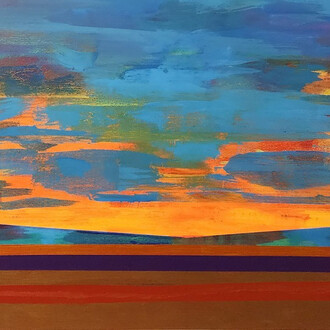
This current exhibition traces a technical evolution, from the densely troweled, muscular oils of the late 1950s to the open, gravity-defying planes of saturated color that characterized the work in the 1960s and 1970s. The exhibition highlights an approach to building depth through color interaction rather than traditional perspective, a method that treated the canvas with an architectural discipline. It demonstrates how the artist used a palette knife to lock heavy slabs of pigment together, generating volume through the sheer density of paint. This tangible inquiry into color adjacency was informed by Little’s early professional training in textile design, focusing on the physical behavior of media on a flat surface.
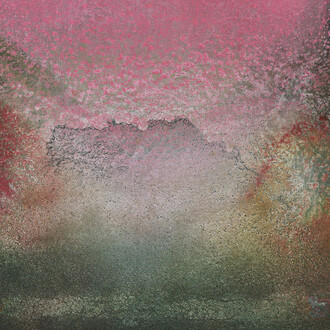
Works included also illustrate the definitive shift in the early 1970s, where Little integrated celestial geometries inspired by NASA photographs of the lunar surface. In contrast to the architectural weight of the large oils, collages on handmade paper in the exhibition represent a quieter, archaeological exploration. Utilizing torn paper, oil paint, and salvaged elements—such as archived pages of the New York times— these works on paper present visible, excavated strata that alternate between obscuring and revelation.