English
 Español
 Français
 Deutsch
 Italiano
 Português
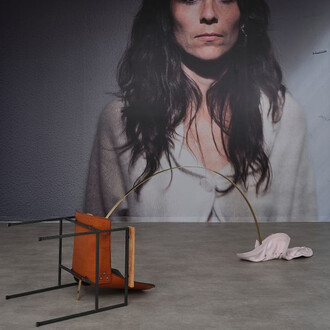
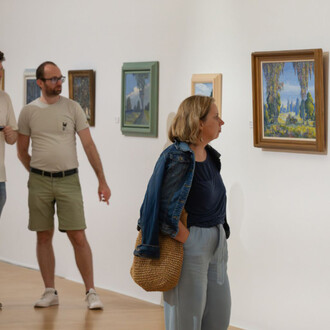
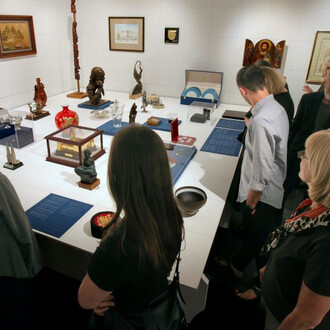
Emerging from the framework of ETC. magazine’s fifth issue, Full circle, the exhibition around every circle another can be drawn, brings together artistic positions that engage with migration, displacement, borders, and the unstable construction of collective memory across the regions stretching from the Balkans to the Baltics.
History, identity, and belonging are never fixed, but continuously reshaped through movement, rupture, and return. The title of the exhibition, borrowed from Ralph Waldo Emerson’s essay Circles, reflects on the impossibility of definitive endings. Every border implies another threshold, every displacement another beginning, and every historical formation the possibility of transformation.
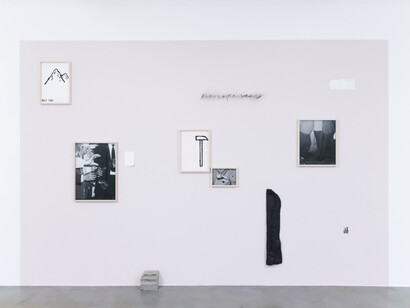
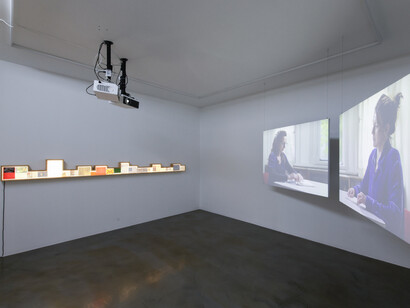
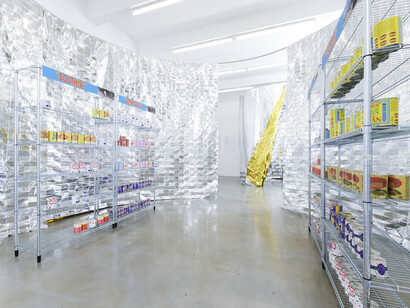
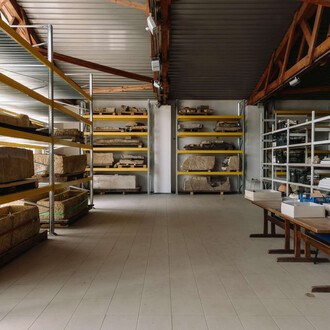
Rather than presenting a singular narrative about these processes, the exhibition unfolds through a polyphony of perspectives, methodologies, and artistic languages. The exhibited works move between personal testimony and collective history, tracing how large-scale political transformations become embedded within intimate experiences, inherited trauma, labour, language, and the material conditions of everyday life. The official histories are confronted by fragmented memories, personal narratives, overlooked testimonies, archives, and material traces that exist outside institutional frameworks. In this context, acts of remembering become inseparable from acts of resistance.
Around every circle another can be drawn does not offer a fixed or closed narrative. It holds space where multiple histories, perspectives, and temporalities intersect without collapsing into a singular conclusion. Like Emerson’s expanding circles, the works gathered here remind us that identity, memory and geography remain in constant motion, continuously unfolding, continuously renegotiated, and always capable of becoming something else.