English
 Español
 Français
 Deutsch
 Italiano
 Português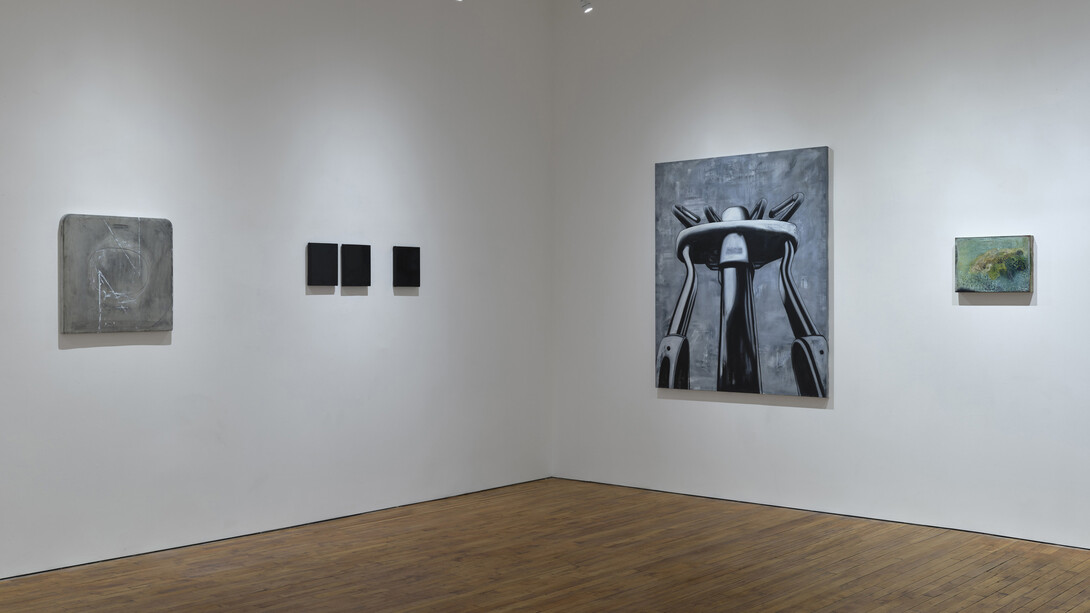
Have you ever been high enough?
a new way to lie
like catching a nail with your foot
while trying to make formal relations between different things
a person would lie on their stomach for half an hour
and try to merge with the ground
then lie on their back and try to levitate
humming for just 10 seconds increased nitric oxide by 1,400%
the limit of a subject’s own physical form porous and unstable
in relation to physical space
Architecture around us psychical and psychological becomes internalized
then without warning, your sight returns
floor levitates
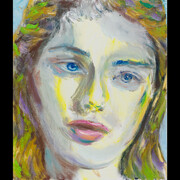
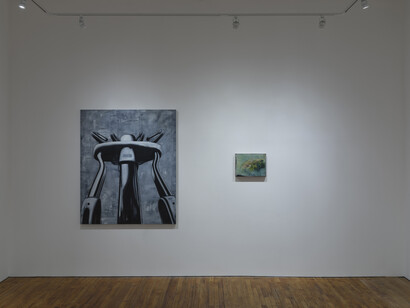
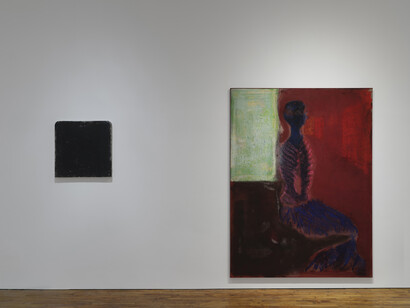
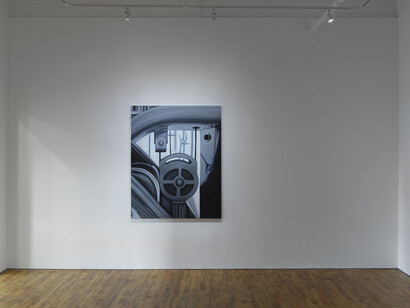
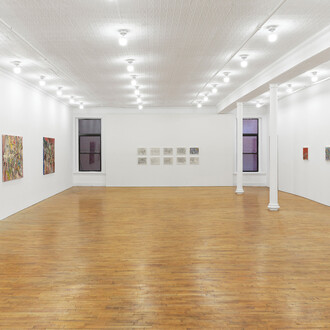
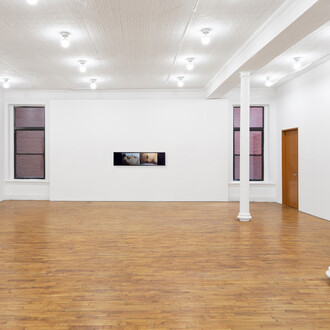
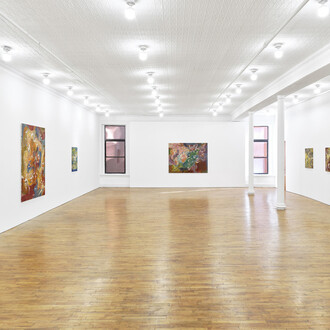
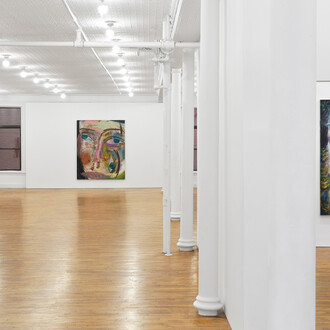
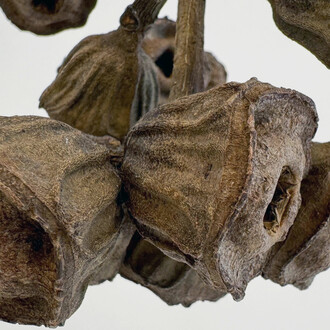
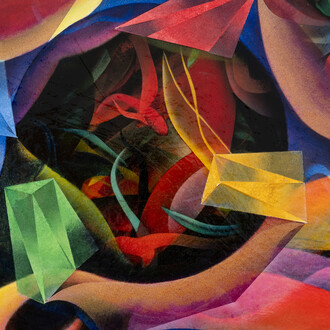
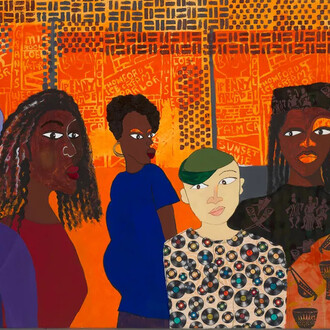
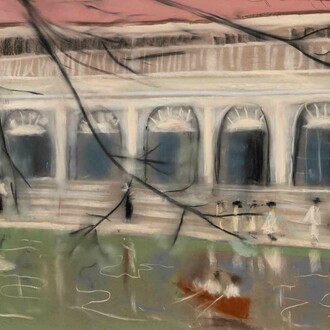
Cell repair examines the ways material and the body absorb, internalize, and respond to damage, reorganizing themselves into forms that remain unstable and continuously evolving rather than fully restored or resolved. Bringing together a range of artistic practices, the exhibition approaches repair not as a return to an original state, but as an ongoing and indeterminate condition shaped by vulnerability, adaptation, and transformation. Across sculpture, installation, painting, and mixed media works, the participating artists explore how rupture can generate new structures, meanings, and possibilities.
Rather than presenting healing as a linear or complete process, the exhibition focuses on states of tension, fragmentation, and persistence. The works trace the visible and invisible marks left by stress—physical, emotional, social, and material—revealing how forms are altered through pressure and time. Surfaces appear cracked, layered, stitched, eroded, or reconstructed, suggesting processes of recalibration that remain open-ended and unresolved. In this context, repair emerges as an active negotiation between destruction and renewal, stability and instability.
Through varied visual languages and material strategies, Cell repair reflects on the resilience embedded within acts of transformation. The exhibition proposes that damage itself can become generative, producing new relationships between bodies, objects, and environments. By examining cycles of breakdown and reconfiguration, the artists invite viewers to consider repair as a continuous process of becoming—one shaped not by permanence or completion, but by endurance, adaptation, and the capacity to remain in motion.