English
 Español
 Français
 Deutsch
 Italiano
 Português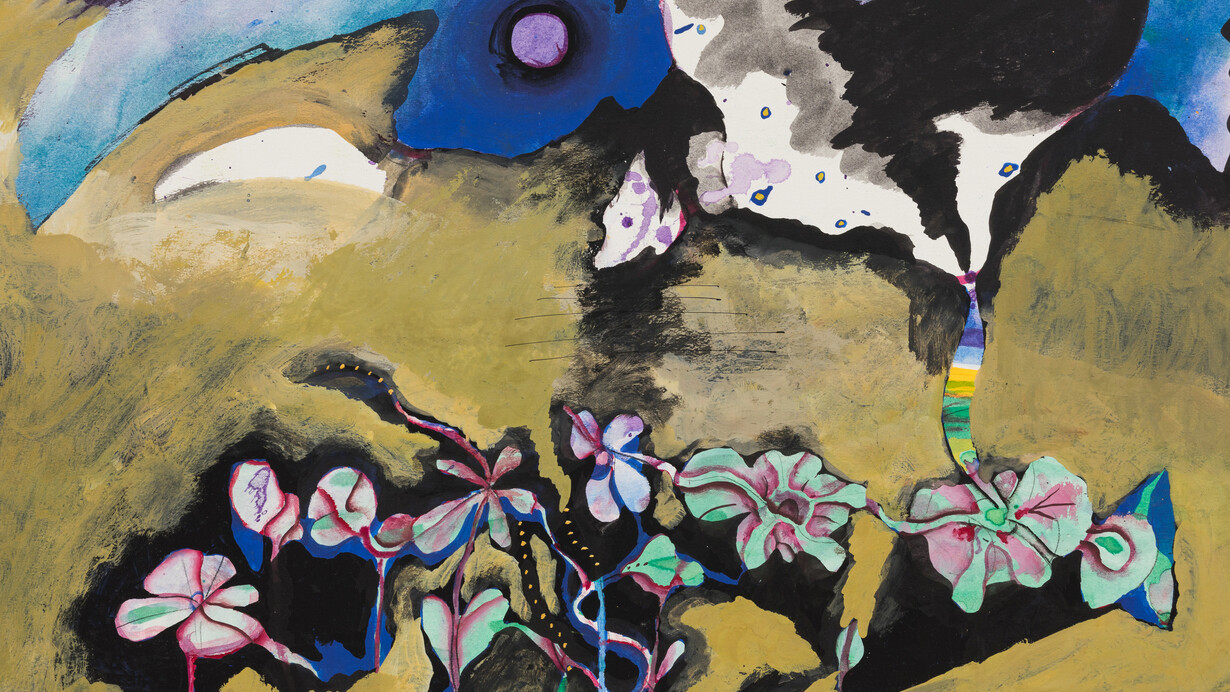
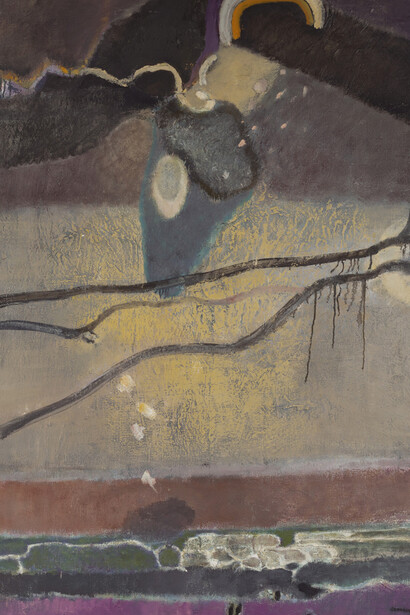
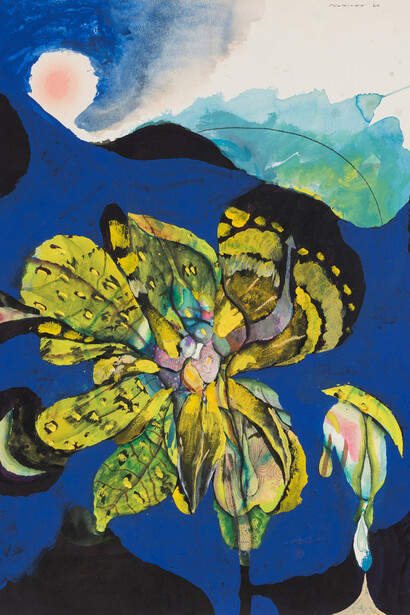
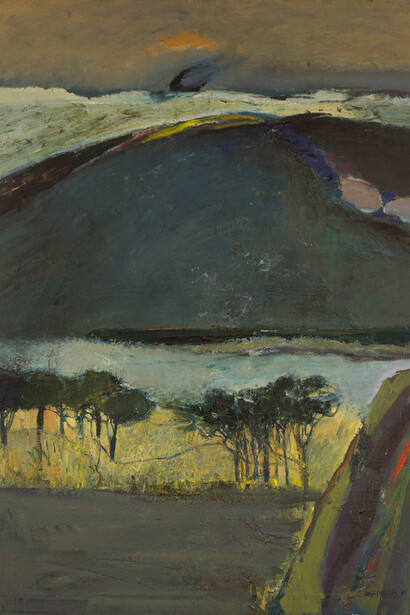
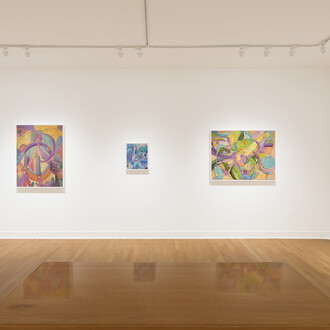
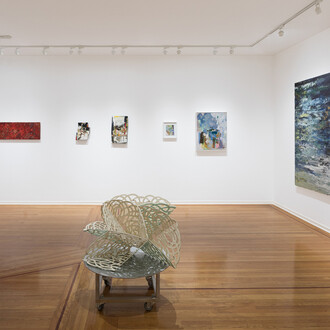
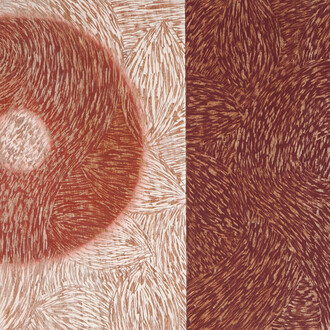
Paul Thiebaud Gallery is pleased to announce the opening of Arthur Okamura: abstract visions on Saturday, May 16th, from 3-5pm, with remarks at 3:30pm. On view will be twelve paintings and works on paper from the late 1950s and 1960s reflecting Okamura’s transition from his Zen influenced Abstract Expressionist period to the surreal, visionary works he created as the counter cultural revolution took hold in the San Francisco Bay Area. The exhibition will be on view through July 2, 2026.
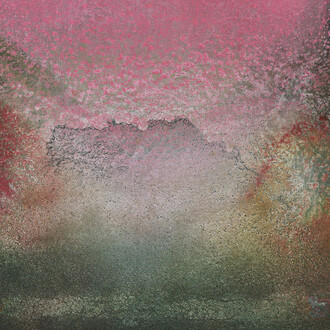
After studying at the School of the Art Institute of Chicago and the University of Chicago, Arthur Okamura moved his wife and first-born child to San Francisco in 1956. Following his arrival, Okamura left behind the academically inspired, representations style he had been using while studying and began exploring Abstract Expressionism, then in vogue in the San Francisco art scene. Okamura’s journey through the style lasted until around 1962 and was unique among both the older generation of artists who created the movement and the younger artists who were his contemporaries. Unlike other practitioners, Okamura’s paintings were always informed by and alluded the landscape. In 1959, Okamura began studying Zen Buddhism at the newly founded San Francisco Zen Center with master Suzuki Roshi, which continued until 1969. His practice as a Buddhist influenced his abstract paintings (as well as the rest of his career), imparting a mystical quality to the canvases, as can be seen in works such as Rock & feathers (1961), Dark rock (1961), and Phrases for a crescent moon (1959). Okamura ended his abstract period abruptly around 1962 because he felt the need find another avenue to explore.
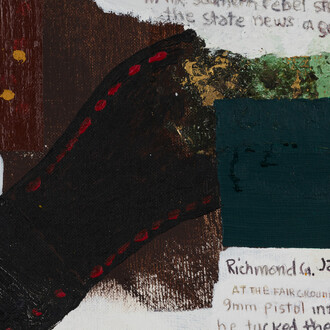
Okamura began exploring sewing banners, etchings, polaroid lights, and sculptures during the break. He would also continue to make watercolors and paintings on paper. Contemporaneously, this period saw the Bay Area counterculture beginning to take hold at greater scale, with many followers of it exploring consciousness expansion through psychedelics. Much of the art produced in this context has been given the catch-all moniker of “visionary” in recognition of the hallucinogenic origins of much of it, though as an umbrella term it encompasses more than that. Okamura’s works of the 1960s fit under this general rubric, and reflect a period when the logic of both his personal life and the broader culture of America did not add up into cohesive visions. Mixing abstract passages with recognizable imagery, Okamura’s surrealist inflected, visionary works render the human unconscious and its irrationality in paint on paper. Informed by his Zen studies, each work by Okamura emanates a spiritual essence that resonates in the eyes and minds of viewers.