English
 Español
 Français
 Deutsch
 Italiano
 Português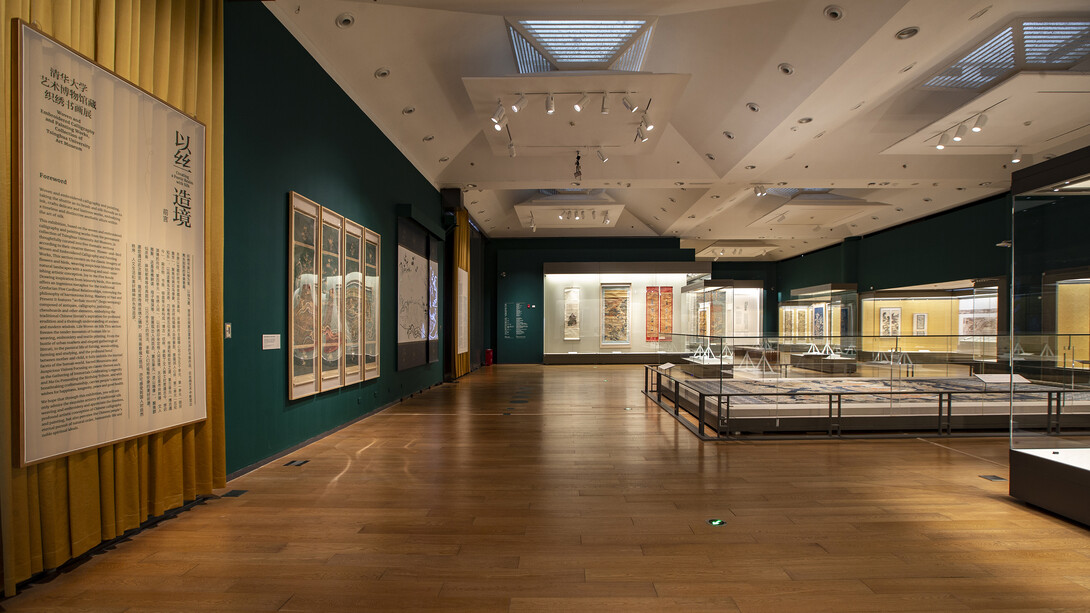
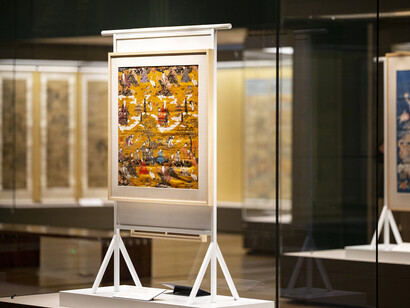
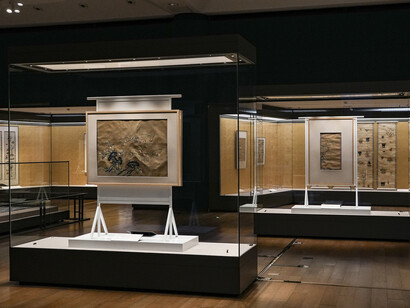
Embroidered and woven paintings and calligraphy constitute a unique category within Chinese art, combining technical mastery with literary and pictorial traditions that have developed over centuries. This exhibition, drawn from the collection of the Tsinghua University Art Museum, presents a carefully curated selection of works that highlight the artistic and cultural significance of textile-based image making in China. Organized into five thematic sections, the exhibition explores the rich relationship between craftsmanship, painting, and calligraphy, revealing how embroidery and weaving evolved beyond decorative practices into highly sophisticated artistic forms.
The exhibition brings together works that demonstrate the extraordinary refinement of Chinese textile traditions, particularly through the use of silk, tapestry weaving, and embroidery techniques developed across different historical periods. Through intricate compositions, delicate threads, and subtle tonal variations, the works recreate landscapes, calligraphic gestures, and pictorial scenes with remarkable precision and poetic sensitivity. Many of the pieces blur the boundaries between painting and textile, transforming woven and embroidered surfaces into mediums capable of conveying atmosphere, movement, and emotional depth.
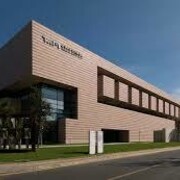
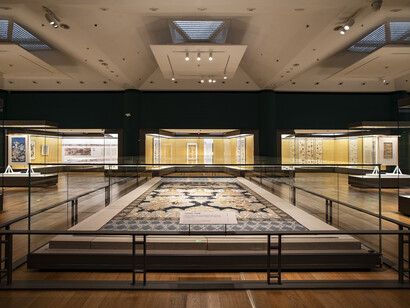
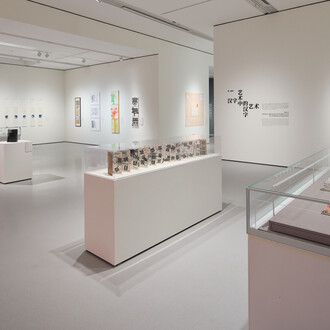
Installed at the Tsinghua University Art Museum in Beijing, the exhibition also reflects the museum’s ongoing commitment to preserving and reinterpreting traditional Chinese artistic heritage through contemporary curatorial approaches. By presenting these works within a broader historical and cultural framework, the exhibition invites visitors to reconsider the role of textile art within the history of Chinese aesthetics and material culture.