English
 Español
 Français
 Deutsch
 Italiano
 Português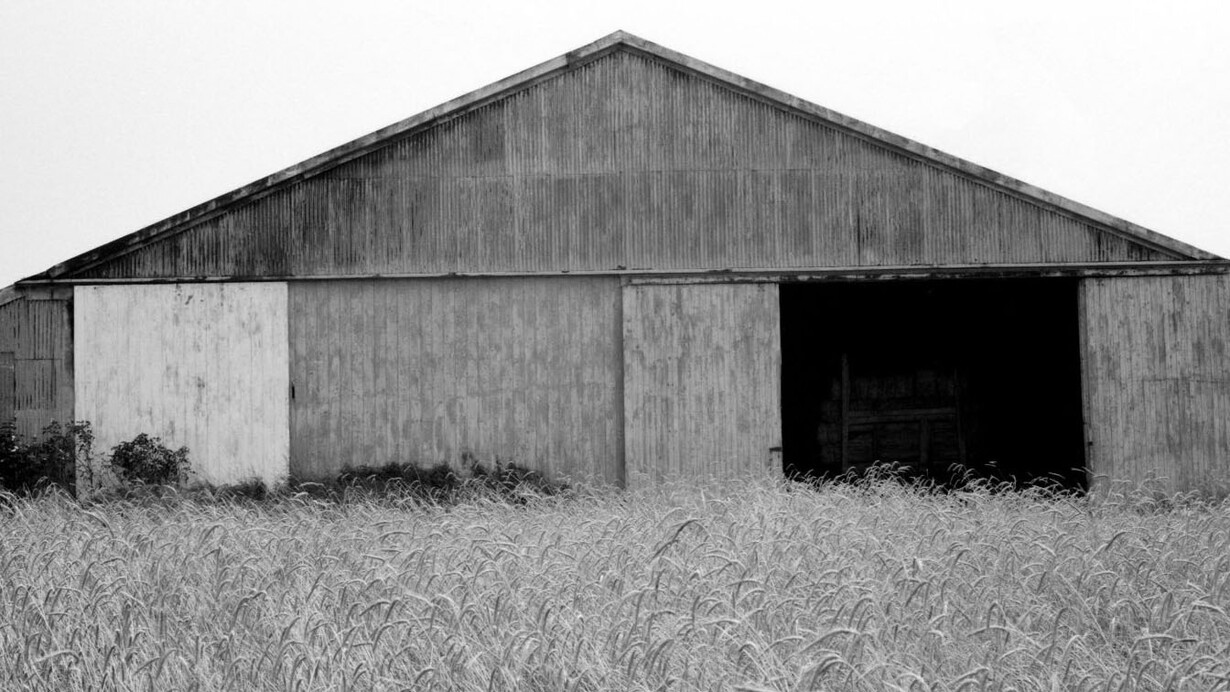
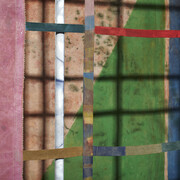
American artist Ellsworth Kelly (1923–2015) drew his distinctive formalist language from the world around him. From his early years, he was inspired by his encounters with everyday objects: a window frame, a slab of butter, a petal’s edge—all offered fruitful studies of how the eye perceives mass and color. From his observations emerged a surprisingly diverse body of work, ranging from figurative drawings and straight photography to monochromatic canvases and abstract sculptures that distill the effects of shape, color, and light.
Fascinated by the way objects shift and transform based on perception, Kelly once stated: “I want to capture some of that mystery in my work. In my paintings, I’m not inventing; my ideas come from constantly investigating how things look.”
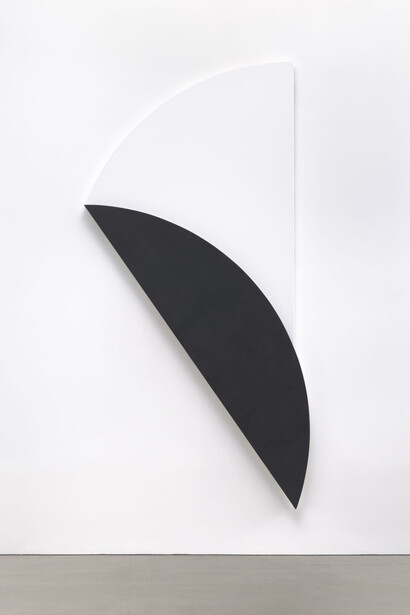
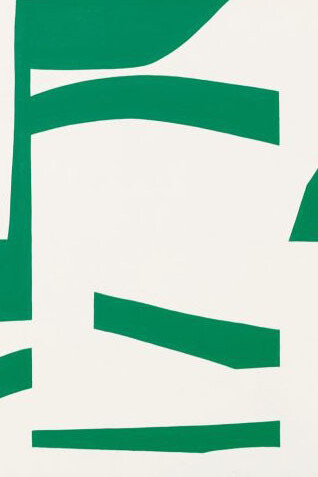
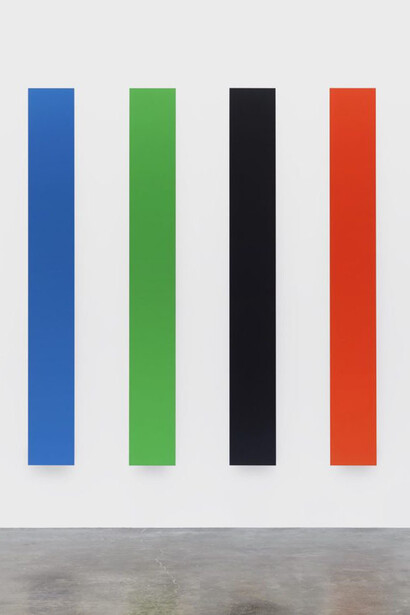
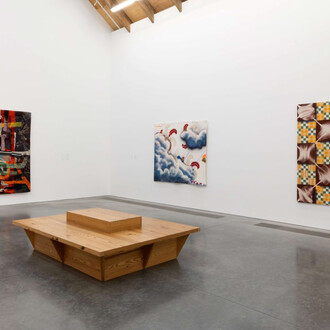
Ellsworth Kelly: eight decades surveys the artist’s lifelong pursuit to represent these “elusive forms.” Comprising a selection of roughly twenty works created between the 1940s and the 2010s, the exhibition features key examples of the minimalist approach Kelly developed in his mature work alongside the artist’s early paintings, plant drawings, and photographs taken while he was on the East End of Long Island. This concentrated selection reveals how specific motifs emerged throughout his career and across various mediums, underscoring his sustained concerns with flattening form, working with negative space, and reducing color to its most elemental state. As Kelly observed towards the end of his life: “My later paintings have all the early paintings inside them.”