English
 Español
 Français
 Deutsch
 Italiano
 Português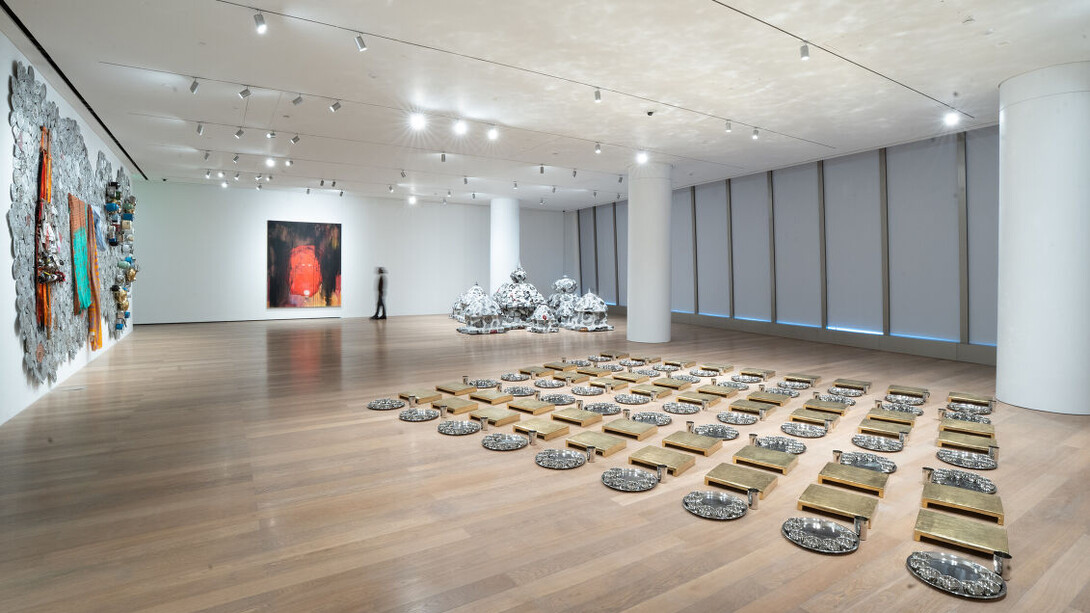
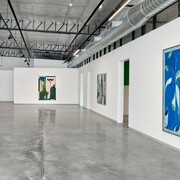
Nature Morte is proud to present एक मुट्ठी आसमान (A fistful of sky), a landmark exhibition by internationally acclaimed artist Subodh Gupta curated by Clare Lilley at Nita Mukesh Ambani Cultural Centre (NMACC).
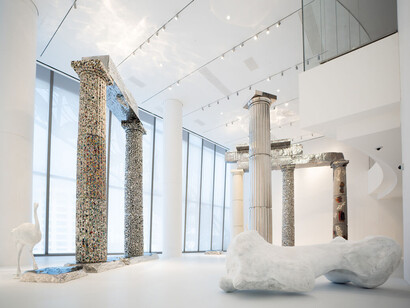
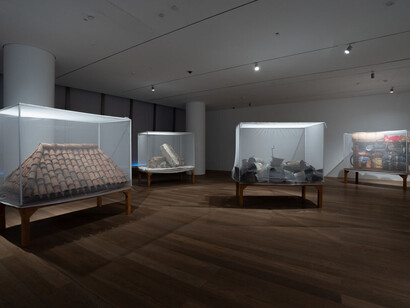
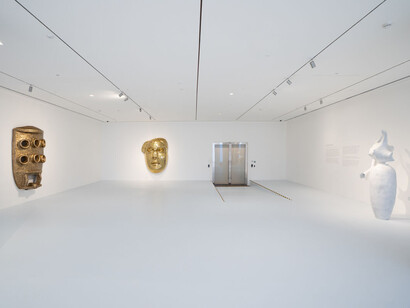
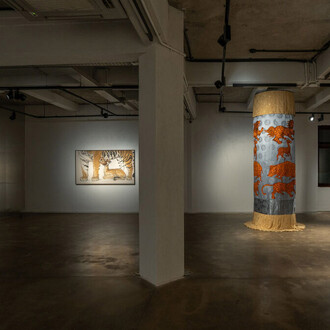
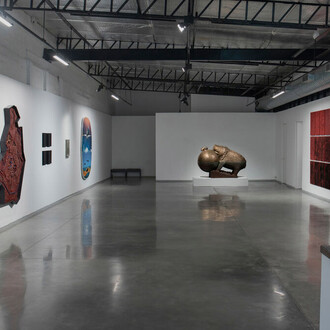
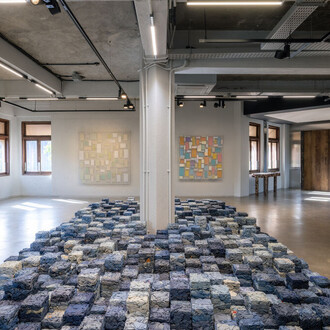
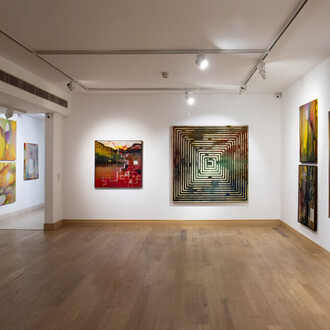
Occupying the Art House from the foundation to the summit, the exhibition brings together immersive environments and intimate installations, some shown in India for the first time, positioning NMACC’s architecture as both stage and structural spine. Through sculpture, moving image and spatial intervention, Gupta examines ritual, migration, labour, aspiration and deep time in one of his most compelling presentations to date.
The title एक मुट्ठी आसमान (A fistful of sky) carries both ambition and fragility. It suggests the instinct to reach upward — to claim one’s share of possibility in a vast and shifting world — while recognising that the sky can never truly be held. In a city shaped by migration and dreams, the gesture is at once intimate and expansive: a closed hand lifted toward the infinite.
Structured vertically through the Art House, the exhibition uses NMACC’s architecture as its dramatic framework. The building operates as stage and scaffold. Ritual grounds the opening act. Dream and shelter occupy the central movement. Ruin and archaeology rise in the upper register. Circulation, renewal, and contemplation form the final ascent. Architecture is not backdrop but narrative engine.
Labour is the exhibition’s infrastructure, while performance shapes its installation logic. Gupta’s practice has always been rooted in action and exchange. Here, the choreography of movement, repetition and encounter animates the entire structure.
By positioning domestic labour as civilisational infrastructure, by engaging Mumbai as a city shaped by circulation and ambition and by situating contemporary life within deep time rather than short-term spectacle, A Fistful of Sky expands the discourse of Indian contemporary art toward a complex meditation on vulnerability and continuity.
At its core are elemental human actions: cooking and eating, waiting, sleeping, gathering. These gestures sustain civilisations. At a time of rapid economic expansion, intensified public discourse around identity and faith, and widening disparity, Gupta returns to the labour that underwrites society itself. “Past, present, future is happening in my work all the time,” Gupta says. “It’s like going back and coming forward.”