English
 Español
 Français
 Deutsch
 Italiano
 Português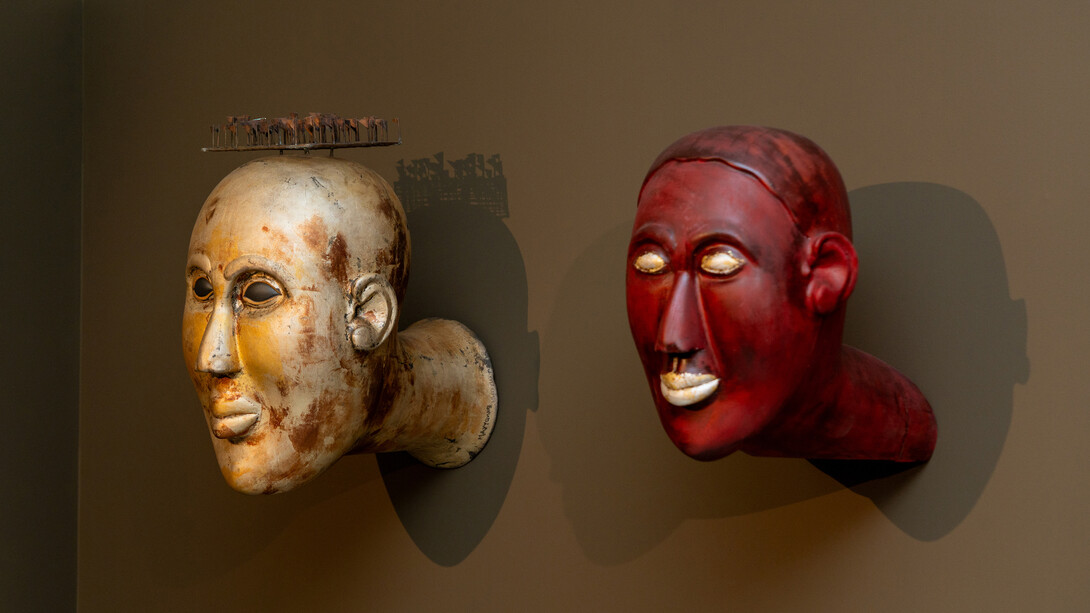
In Mayur Kailash Gupta’s practice, the question opens onto persistence. Across years of making, certain configurations return, carried forward through the body’s memory of gesture. Familiar volumes reappear because the hand remembers their balance, their resistance, their weight. Gupta describes this process with disarming clarity: “While sculpting, I am not aware of what I am doing. Images come floating in my mind.” The work begins close to matter. Recognition comes later. Form is not imposed so much as found surfacing slowly through encounter.
This orientation toward making bears the trace of an early intimacy with craft. As a child, Gupta watched his mother produce objects of use and adornment through small acts of assembly and adjustment. These gestures belonged to the quiet duration of everyday labour. Their rhythm lingers in his sculptural practice, where handling material becomes a way of returning to thought through touch.
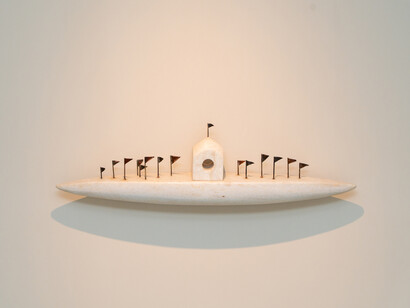
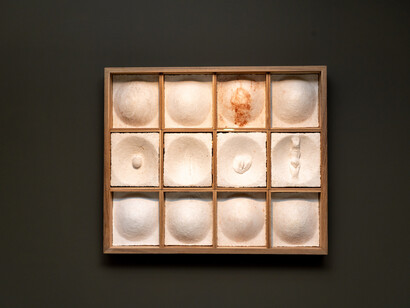
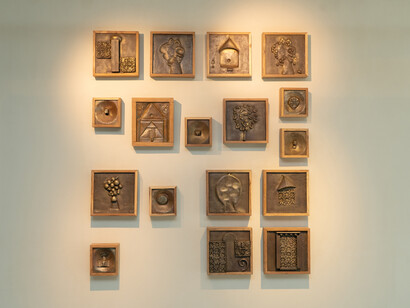
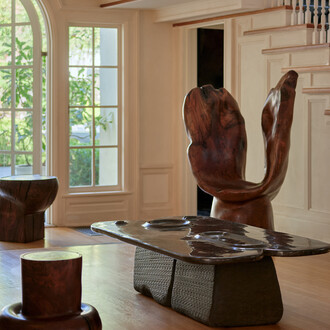
His training in Baroda deepened this sensibility through an exacting engagement with material. Bronze gathers heat and density into compact mass. Marble cools and steadies. Wood shifts with grain, introducing subtle asymmetry. Composite matter yields unevenly, registering pressure in different ways. Each medium alters the terms of making, yet certain tendencies endure: heads withdrawing into condensed volumes, vertical forms held along an inner axis, relief works pressing depth into plane.
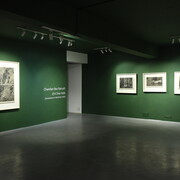
Placed in relation, these works reveal form as something tested and clarified through matter. Weight shifts. Surfaces answer differently. Yet across these changes, a sculptural language persists, poised in balance, density, and held tension.