English
 Español
 Français
 Deutsch
 Italiano
 Português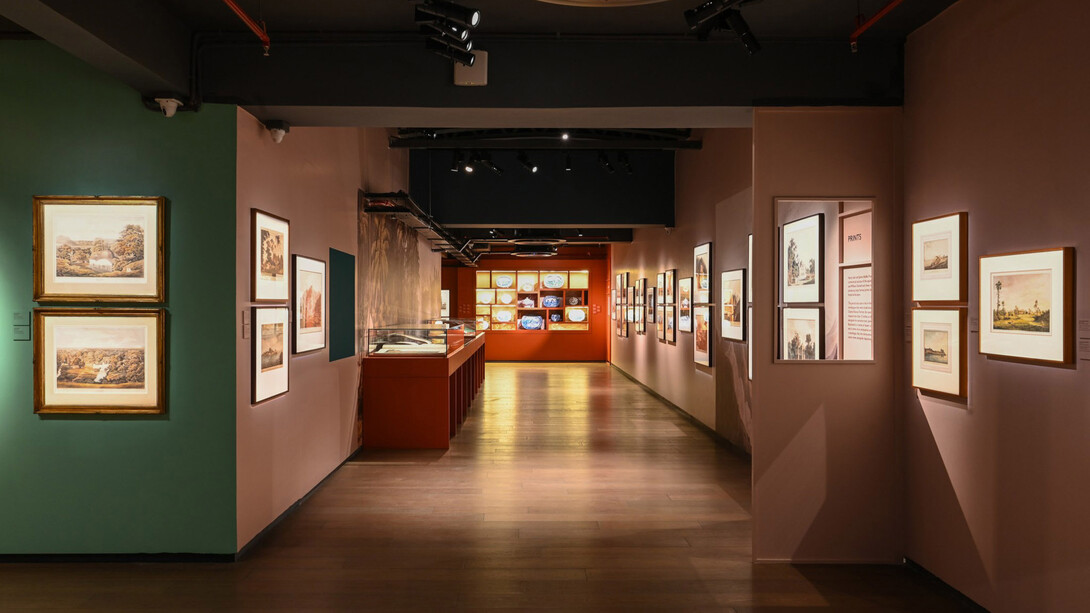
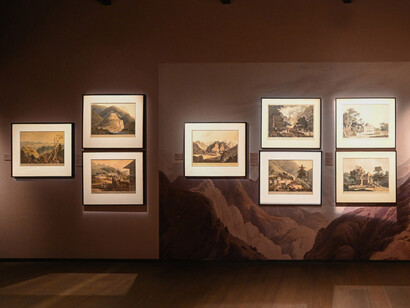
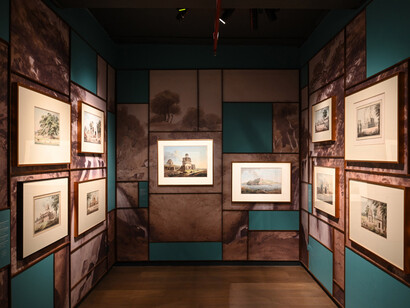
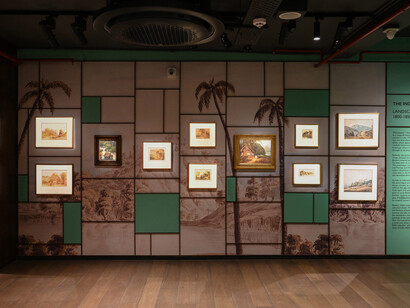
‘Picturesque’ is a word that carries widely differing meanings. Its use in everyday speech is far removed from the specialist meaning intended by the aesthetic theorists who coined it in the 1790s. Literally meaning ‘like a picture’, it is obviously open to a range of interpretations. But the original theorists didn’t mean like any picture. Their vision was one of architecture and landscape, the two forming inseparable parts of an organic whole, which appeared natural, or even casual, while at the same time being carefully, artificially harmonised. They saw this tendency present in some landscape paintings of their own time and codified it for the future guidance of artists, architects and landscape gardeners.
Art historians of the past saw the picturesque as Britain’s greatest contribution to Western aesthetics. It was the spirit that founded the English landscape school in the mid-eighteenth century and guided it through its development in the mid-nineteenth (and beyond). In recent decades, the picturesque has some under scrutiny in academic circles, as many specialists have pointed out that the period in which it flourished coincided with Britain’s colonial expansion. With its focus on land, the picturesque has been seen as an expression – indeed as an agent of – territorial control. Nowhere is this more evident than in the practice of the picturesque in India.
The picturesque was brought to India by pioneering artists like William Hodges and Thomas and William Daniell, whose works have been the subject of previous DAG exhibitions. Here we focus on those who came later, in the first half of the nineteenth century, and who sustained and developed their image of India.