English
 Español
 Français
 Deutsch
 Italiano
 Português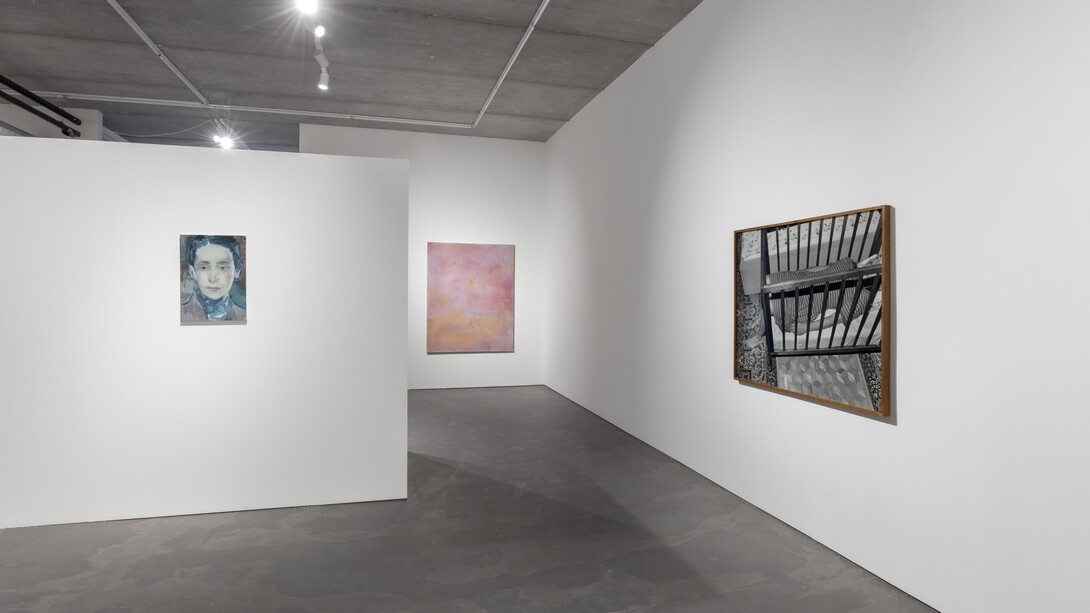
Inspired by Virginia Woolf’s The lady in the looking-glass: a reflection, the exhibition If one could read them, one would know everything explores the shifting boundaries between identity and perception. Woolf’s story examines the tension between appearance and reality, showing how outward details invite speculation while inner life remains inaccessible.
Through a mirror, an observer projects depth, emotion, and meaning onto an absent woman, only for these fantasies to collapse when reality is revealed as empty and indifferent. The mirror becomes a device that exposes the gap between imagination and truth, and questions whether inner identity can ever truly be known.
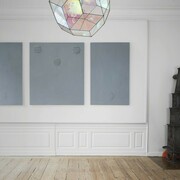
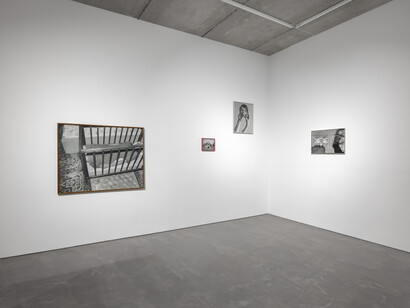
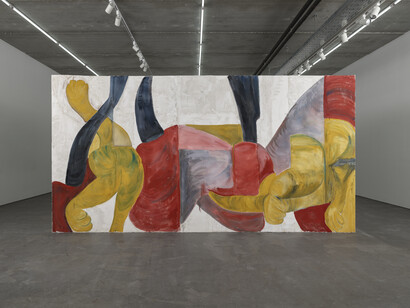
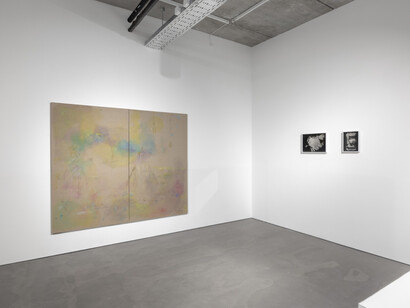
The exhibition takes up these questions by asking how both outer presence and inner experience might be conveyed. Can a portrait exist when its subject remains partially unseen? Moving beyond visual likeness, the works approach portraiture through traces, gestures, atmospheres, and points of view. Like Woolf’s story, the exhibition is shaped by absence and fragments, suggesting that what we perceive of others is always mediated by imagination, and that identity may be less something revealed than something continually projected.