English
 Español
 Français
 Deutsch
 Italiano
 Português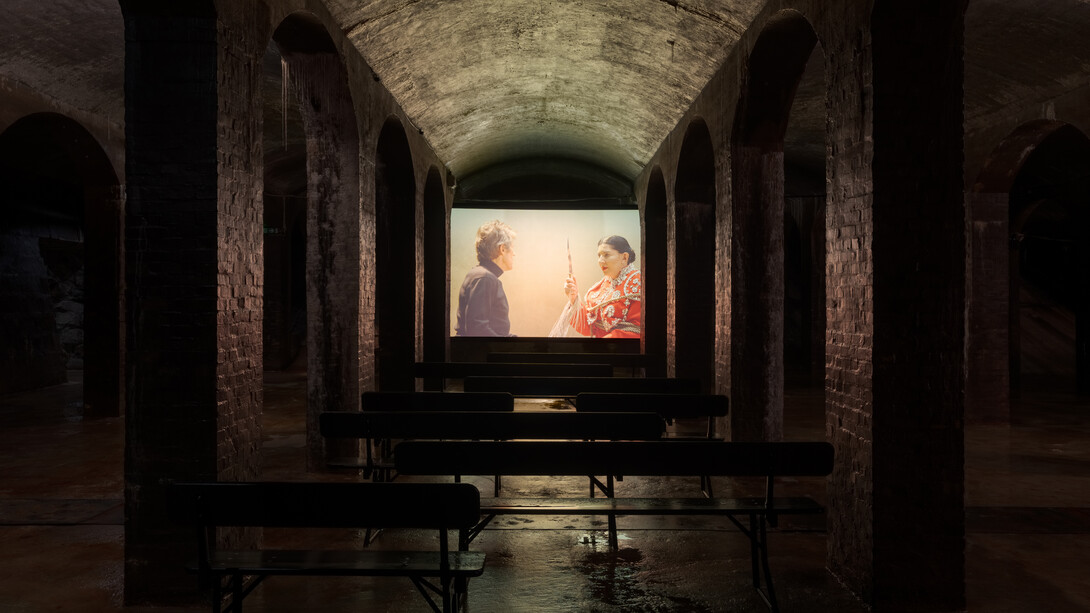
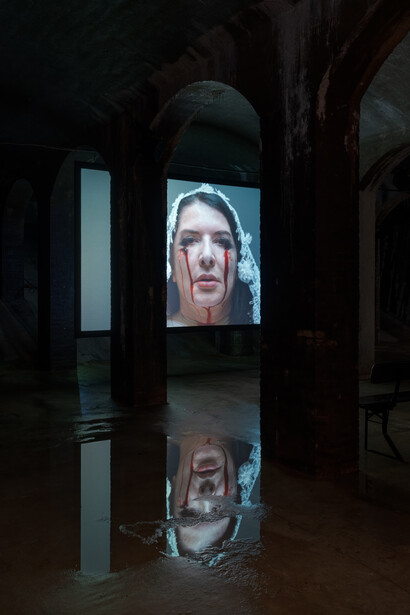
In Seven deaths, Marina Abramović places opera’s most iconic moments of death within the dark, underground spaces of Cisternerne, creating an immersive cinematic journey in which audiences move through the work itself. Visitors are confronted with emotions we never stop grappling with: love, loss, and fear. In Abramović’s ambitious work, the world-renowned performance artist dies seven times, staging deaths drawn from the most celebrated female roles in opera history, accompanied by the voice of the legendary opera singer Maria Callas.
“The atmospheric surroundings of Cisternerne bring a new emotional depth to Seven deaths. Its darkness and resonance create a space where the work can unfold with greater intensity, and the audience becomes physically and emotionally present with each death,” says Marina Abramović.
Maria Callas as voice, myth, and mirror
Marina Abramović uses Maria Callas as both voice and mirror. Callas was the great opera diva of the 20th century, known for her uncompromising artistic dedication, her emotional intensity, and a life marked by public desire and private loneliness. Her voice carries opera’s great emotions: love, desire, loss, and downfall.
Abramović has been fascinated by Callas since her youth, not only as an artist but as a figure. They share a physical resemblance, but also a condition of life: having devoted themselves completely to art and having paid a high personal price. For Abramović, Callas’ tragic love stories and her lonely death in Paris have stood as an image of the ultimate consequence of a life in art without compromise.
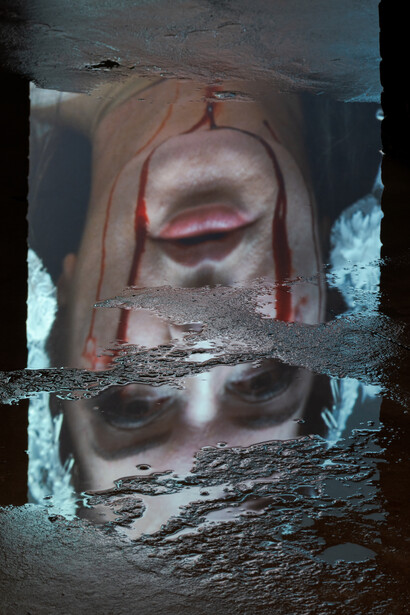
In the work, the mirroring becomes literal. In the seven films, Abramović stages herself in opera’s iconic moments of death, while the American actor Willem Dafoe performs opposite her. Together they interpret the dramatic climaxes of seven operas, where art and biography, role and reality are interwoven, and death emerges as both a theatrical figure and a personal reflection.
“Seven deaths brings together threads from Abramović’s lifelong work with the body, endurance, and extreme presence. Here, the audience encounters death as a theatrical figure, but also as something that touches deeply familiar experiences: love, loss, longing, and fear,” says Tine Vindfeld, chief curator of Cisternerne.
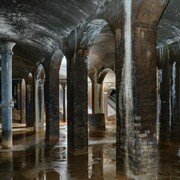
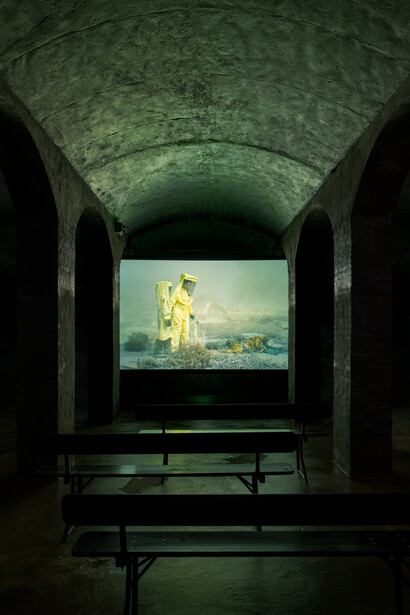
The spaces of Cisternerne play an active part of Seven Deaths. The permanent darkness and 17-second acoustic reverberation affect how the work is experienced. This dynamic new staging of Abramović’s masterpiece is the first time that the work can be experienced as part of a total installation, in which the hour-long work is encountered moving through time and space.
A year with Abramović in focus
2026 marks a special year for Marina Abramović. She will turn 80 on November 30, 2026, which is also the final day of the exhibition in Cisternerne. She will also open a solo exhibition at the Gallerie dell’Accademia in Venice, becoming the first living woman to do so.
(Seven deaths is realized by the Frederiksberg Museums in close collaboration with Marina Abramović and her studio in New York)