English
 Español
 Français
 Deutsch
 Italiano
 Português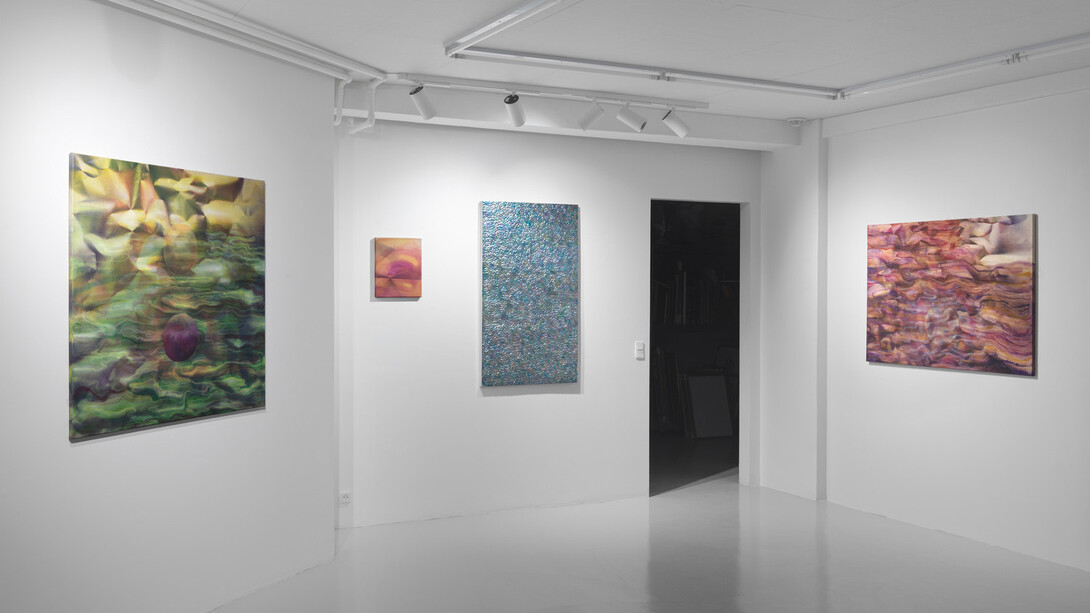
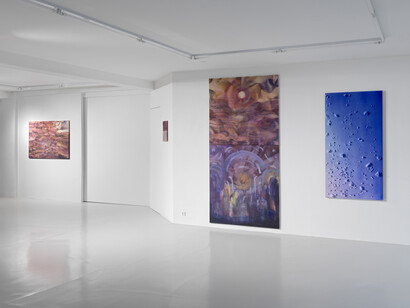
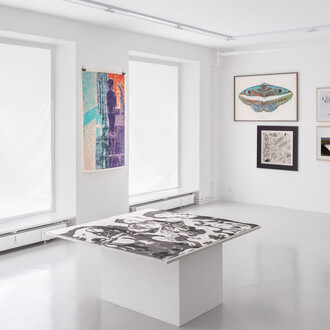
In this duo exhibition, Formation Gallery brings together Anders Bülow and Johanne Rude Lindegaard in a shared artistic point of departure where perception, materiality, and illusion are in constant flux. Both artists work with pieces that vibrate on the threshold between states: at the tipping point where surface and space, image and object, the sensory and the constructed are held in delicate balance. It is only through the encounter with the viewer’s body and movement within the space that the works are fully activated.
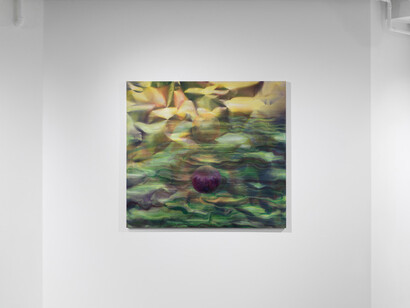
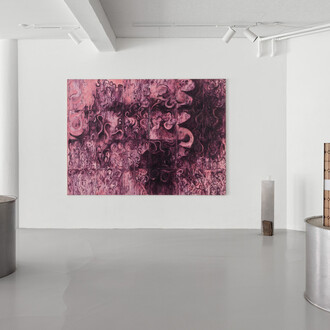
Johanne Rude Lindegaard’s paintings revolve around dissolved and fluid landscapes, where the boundary between motif, material, and illusion remains porous. The landscape functions as a metaphor for inner states, emotional life, and mental spaces, in which ambiguity and uncertainty are not resolved but sustained. Rude both employs and dismantles the authoritative language of painting by juxtaposing classical painting techniques with industrial ones. She inverts traditional processes, working with the canvas both before and after stretching, allowing the fabric to remain an active participant in the final expression of the work. Through thin layers of highly pigmented acrylic, transparent glazes, and deliberate breaks in illusion, the paintings emerge in a state of balance between gesture and construction, between the sensory and the controlled. The works insist on their own material presence while simultaneously opening up an illusory, almost dreamlike pictorial space.
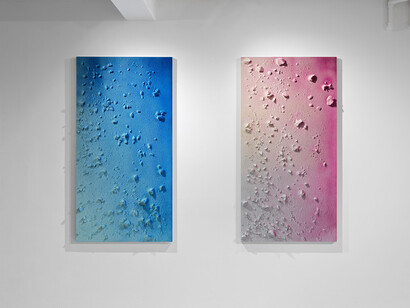
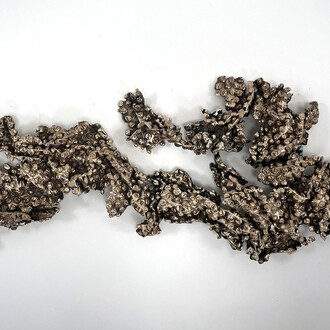
Anders Bülow’s works occupy a field between painting and sculpture, where the inherent possibilities and limitations of the materials guide the development of the work. Using paper and handmade paint composed of dextrin and pigment as central materials, he works with embossing techniques and subtle sprayed layers of colour that create relief-like surfaces which shift in character depending on the viewer’s position and changing light conditions. For this exhibition, Bülow expands his visual language by experimenting with and integrating new materials such as aluminium and plaster, which are manipulated and incorporated as active elements in the works’ form and structure. The works revolve around the traces left behind by human presence—traces that hold a duality in which the destructive can appear both brutal and aesthetic at the same time. At first glance, the works may seem industrial and fabricated, but upon closer inspection, small deviations reveal the handmade and the presence of the human hand in the process. Colours, shadows, and surfaces appear vibrant and almost alive—like shimmering reflections beneath water—imbuing the works with a sensory, bodily presence that unfolds through movement.
In the encounter between Rude Lindegaard’s painterly disruptions of illusion and Bülow’s material-based investigations, a shared space emerges in which meaning is unstable and constantly shifting. The exhibition centres on moments when our perceptions of the world are displaced—when what we believe we see dissolves and re-emerges in new forms. The works invite slowness and attentiveness: to sense, to move, and to accept that both images and forms of understanding remain open.