English
 Español
 Français
 Deutsch
 Italiano
 Português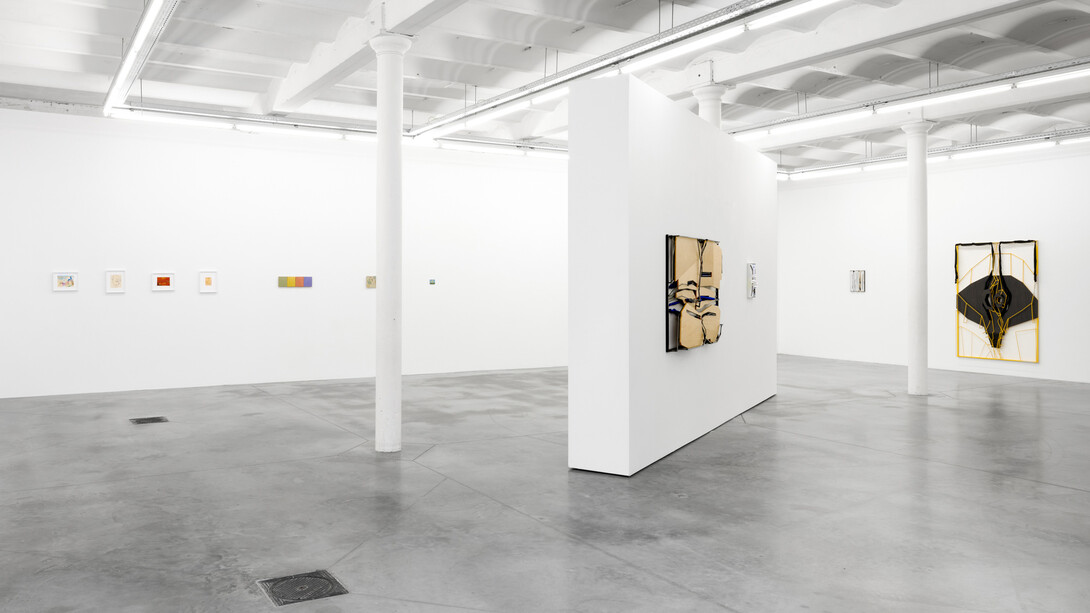
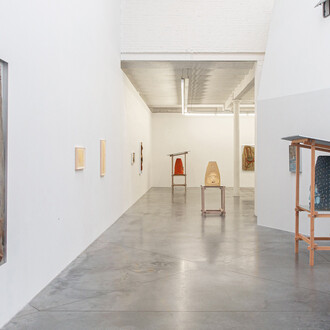
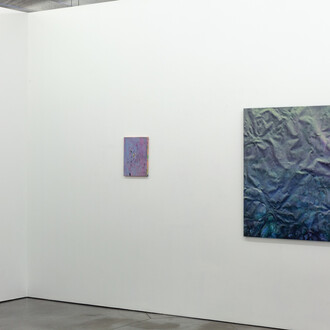
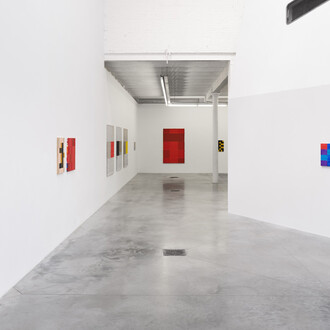
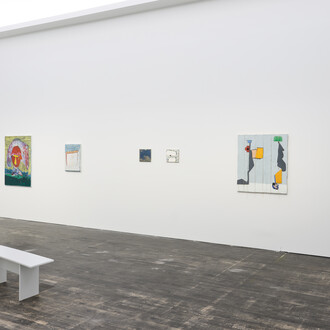
Honey on the wheel marks US-based artist Kevin McNamee-Tweed’s second solo exhibition with Tatjana Pieters Gallery and presents a new body of wall-hanging ceramic works alongside an expansive selection of works on paper. McNamee-Tweed’s practice examines the construction of meaning and the ways in which images and stories take shape. Grounded in mark-making and image-making, his work is driven by material inquiry and sustained experimentation, most notably through clay and glaze. Drawing freely from a wide range of sources—from the canon of art history to the textures and symbols of everyday life—he brings together disparate references through an intuitive and open-ended working process.
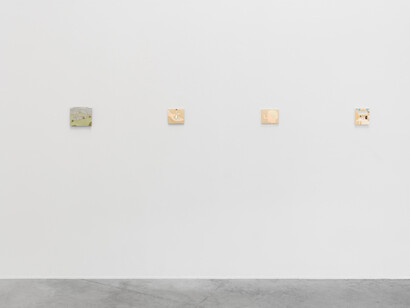
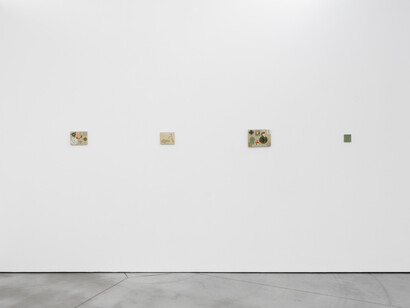
The artist’s pictorial ceramics or “ceramic paintings” combine the visual clarity of two-dimensional imagery with the material presence of sculpture. While rooted in rigorous technique, these works remain receptive to chance, allowing the chemistry of the ceramic process to generate surfaces, textures, and effects unattainable in other media. Their intimate scale encourages close looking, revealing finely worked details and layered narratives that are frequently inflected with pathos, humor, and a sustained curiosity about the world.
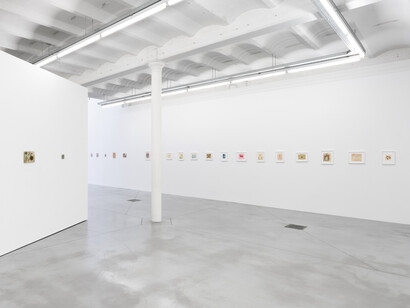
The ceramics presented in Honey on the wheel range from pictorial vignettes with emergent narratives to works informed by pattern, ornamentation, and traditions of historical design and folk craft, including tilework, embroidery, and pottery. A new series of pictorial ceramics introduces accumulative compositions—repositories of objects and images set within uncontextualized, non-spatial fields. These works juxtapose disparate iconographies, such as a historic Bartmann jug, an advertisement for “Sal’s Pizza,” the Buddhist dharma wheel, coins, and a recurring cast of the artist’s own characters. In several of these liminal still lifes, wheels, coins, apertures, spirals, and other circular forms traverse the pictorial plane. Across the series, distinctions between subject and non-subject, foreground and background, margin and center are continually unsettled, prompting questions about visual hierarchy, narrative structure, and perceptual depth.
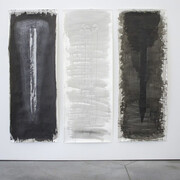
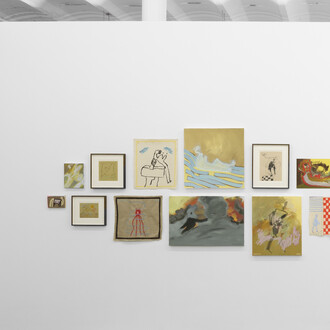
Accompanying the ceramic works is a substantial presentation of works on paper spanning several years. Executed in a range of media—including pencil, monotype, ink, paint, and pigments derived from walnut and acorn—and on varied supports such as handmade papers, cardboard, and found materials, these drawings and paintings offer insight into the mechanics of McNamee-Tweed’s image-making. Broad in scope and exploratory in approach, they underscore the artist’s sustained engagement with play, process, and experimentation.