English
 Español
 Français
 Deutsch
 Italiano
 Português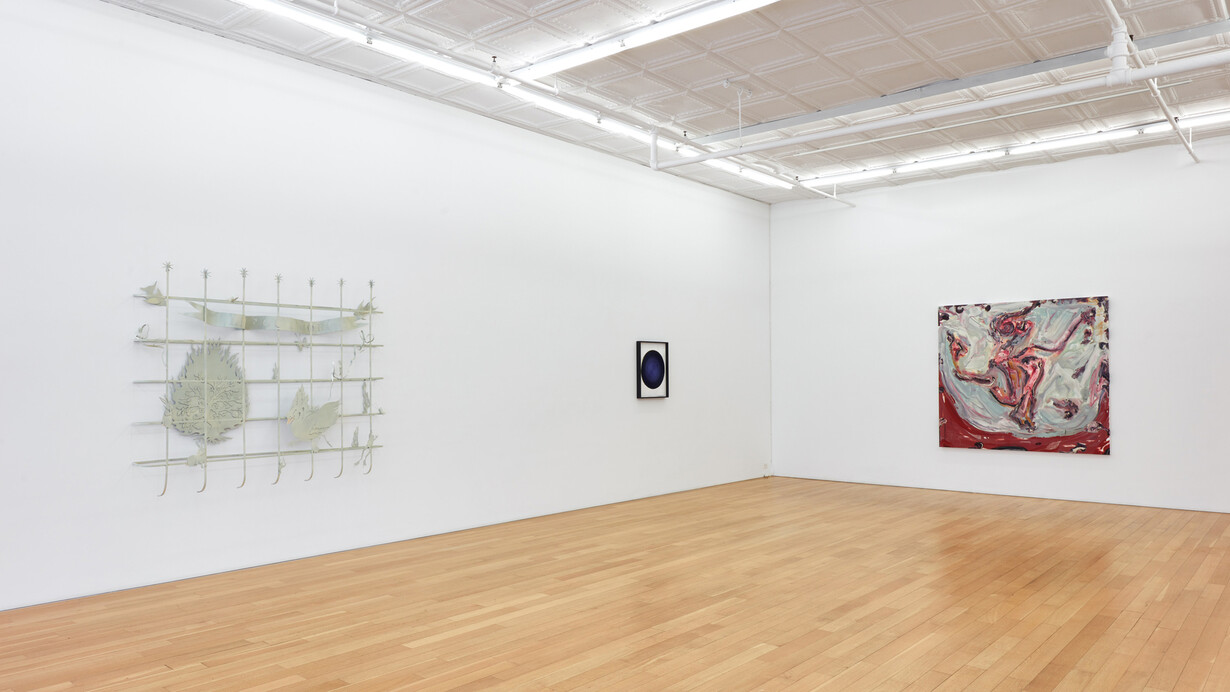
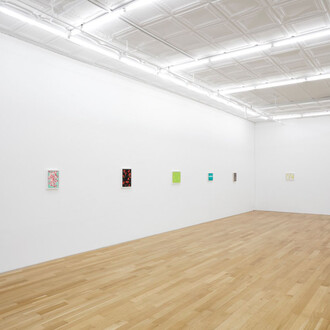
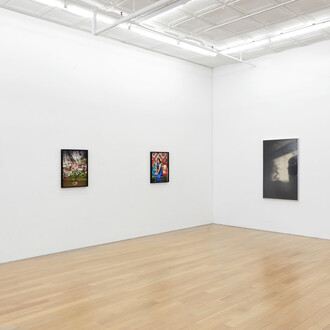
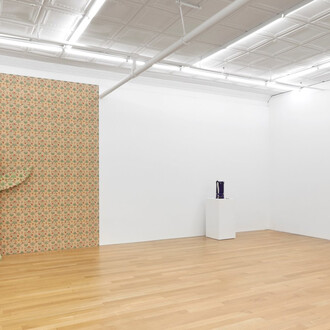
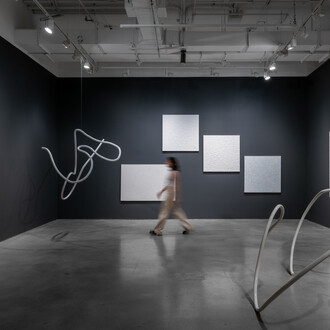
Peter Blum Gallery is pleased to present in relation to stillness, a group exhibition curated by Auttrianna Ward of new and recent works by Abigail Lucien, Manuel Mathieu, Malcolm Peacock, Tadáskía, and Sarah Zapata. There is an opening reception on February 5, 6 – 8pm at 176 Grand Street, New York with the exhibition on view through March 27, 2026.
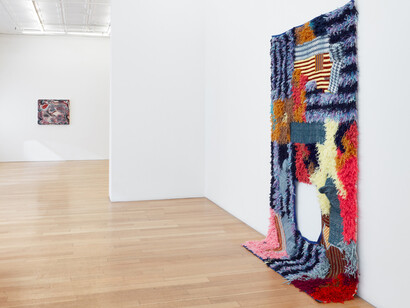
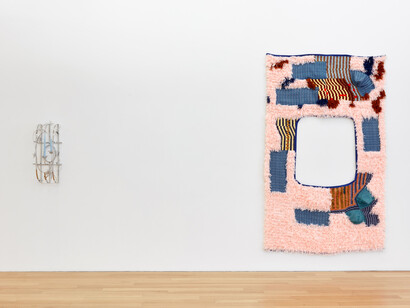
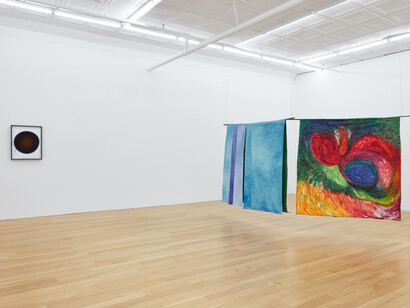
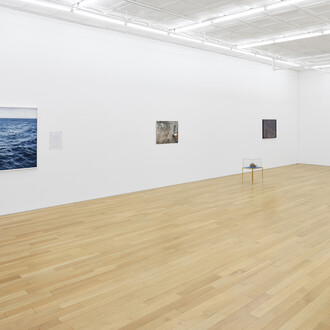
The exhibition, in relation to stillness, is a presentation of works that do not ask us to define stillness, but to consider our relation to it. Here, stillness is felt in the labor of the work itself—through repetition, boundary, refusal, and intention. It is a way of working that resists immediacy without retreating from meaning. While the artists in this exhibition move across different materials and lineages, their practices share a commitment to duration, material patience, and time taken rather than time granted.
Across sculpture, textile, painting, and drawing, the works center processes that unfold slowly and deliberately. The hand remains visible. Materials carry weight. Surfaces stay open, bearing the traces of making. These are practices attentive to ground, both literal and metaphorical, where meaning is built through endurance, commitment, and sustained presence. Stillness here is not the absence of movement, but the condition that allows movement to be intentional.
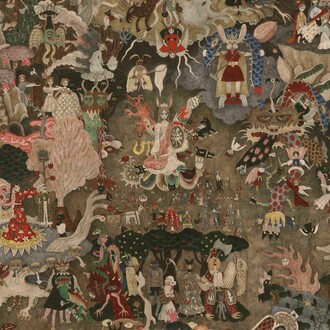
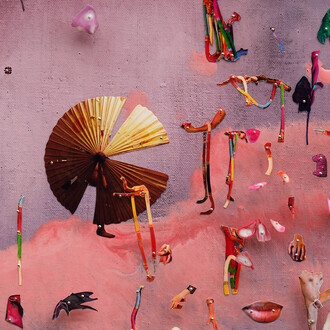
Abigail Lucien approaches time as a material in itself, using space, structure, and poetics to linger within questions of loss, belonging, and inheritance. Manuel Mathieu’s practice resists imposed framing, operating with autonomy and spiritual openness so that forms are allowed to emerge rather than being forced. Malcolm Peacock’s work embodies slowness through devotion to process and scale, allowing labor to remain legible rather than concealed. Tadáskía’s work reflects the freedom that stillness can afford—the choice to set boundaries, to shape one’s own pace, and to insist on alignment over demand. Sarah Zapata’s textiles draw on deep histories of making, engaging earth-based understandings of time, tradition, and continuity.
Stillness in this exhibition is neither aestheticized nor sentimental. It carries consequence. It asks for quiet where response is expected, and for commitment where speed is rewarded. The works do not seek resolution; they hold space instead, allowing meaning to surface gradually and without urgency. This exhibition has been shaped through relationships and extended conversations after coming to know these artists over time—some over many years, others more recently. The decision to work together emerged from a shared rhythm, and like its own coming together, this exhibition takes its time and asks the same of us.