English
 Español
 Français
 Deutsch
 Italiano
 Português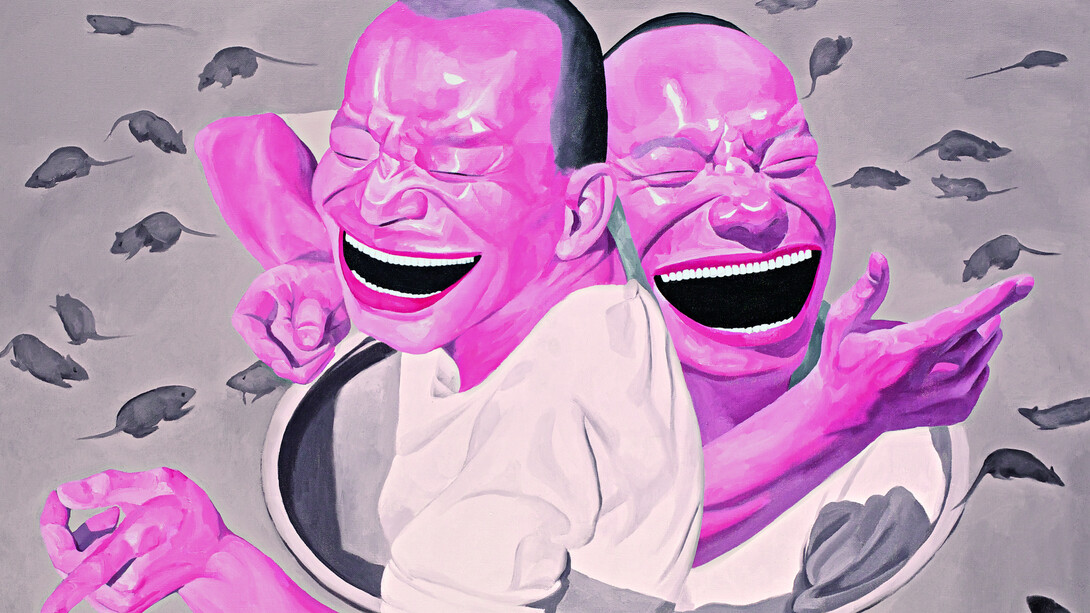
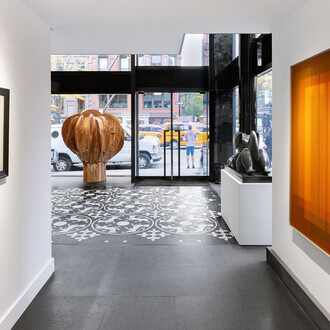
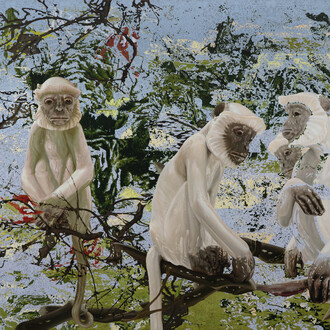
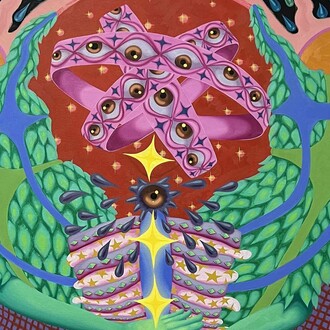
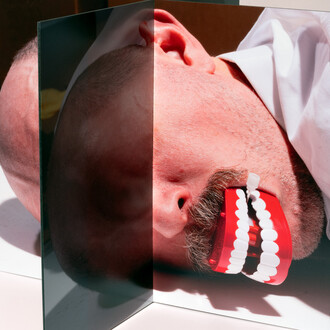
Opera Gallery New York is pleased to present The quiet continuum, a group exhibition dedicated to contemporary Asian art across disciplines, on view from March 19 through April 11, 2026. Spanning painting, sculpture, and mixed media, the exhibition brings together fifteen leading artists across generations and mediums, reflecting a shared sensibility shaped by time, memory, and spiritual journey.
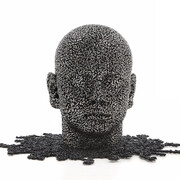
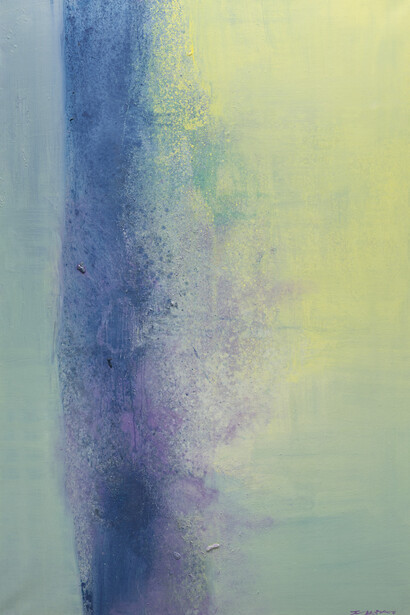
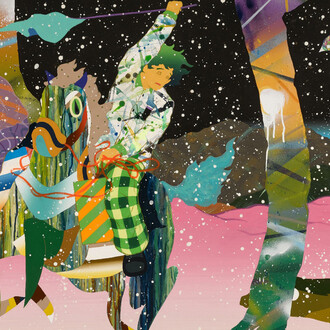
Featuring works by Ai Weiwei Cho Sung-Hee, Chu Teh-Chun, Chun Kwang- Young, Feng Xiao-Min, Jae Ko, Yayoi Kusama, Lee Gi Seong, Lee Gil-rae, Tomokazu Matsuyama, Ran Hwang, Young-Deok Seo, Kazuo Shiraga, Yue Min-Jun and Zao Wou-Ki, the exhibition proposes time not as linear but cyclical–where gestures return, symbols reappear, and memory resurfaces through material.
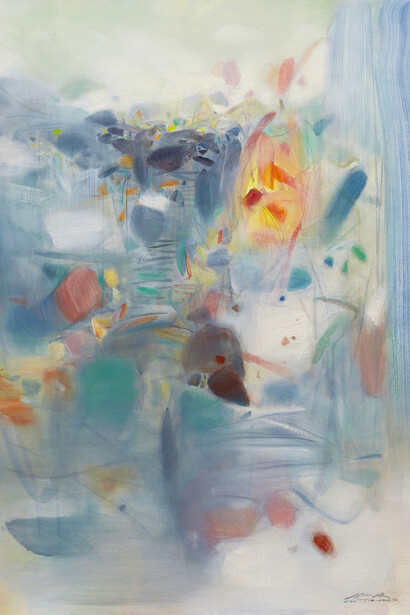
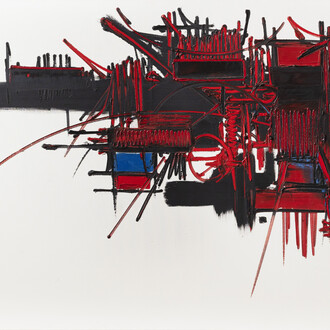
At its core is the legacy of lyrical abstraction, visible in Zao Wou-Ki’s ambient, dreamlike oil painting 19.08.2006 (2006) and Chu Teh-Chun’s Matin de fête (1990), with its celebratory palette and rhythmic composition. Both artists blend Eastern calligraphic traditions with Western abstraction, reflecting their shared experience of forging artistic identities between China and Paris. This spirit of gestural intensity extends to Kazuo Shiraga, one of the leading figures of the Gutai movement, whose radical, body-driven practice redefined painting as performance and physical engagement. In his exhibited work, he employs watercolor on paper to emphasize movement and spontaneity within a more intimate format.
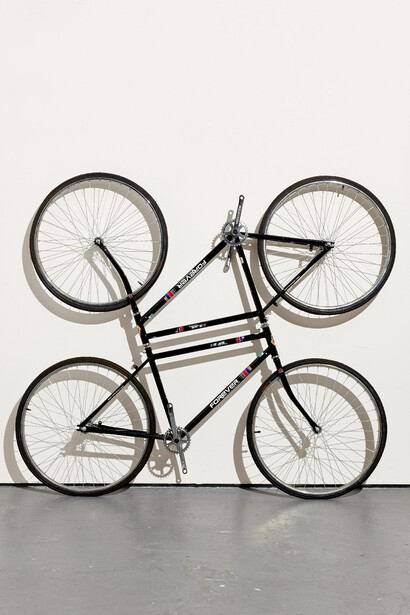
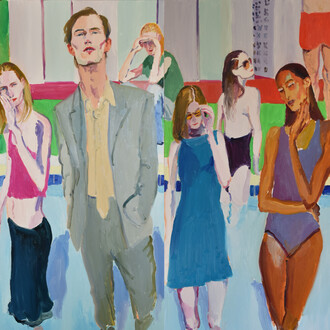
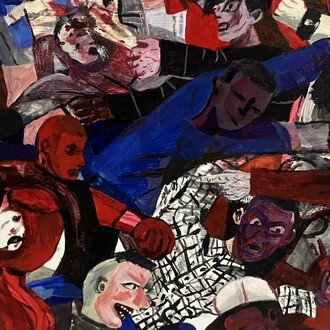
Continuity, however, is not presented as purely serene. Associated with Cynical Realism, which emerged in China in the early 1990s, Yue Min-Jun uses exaggerated laughter to critique social conformity and political ideology, as seen in his sculpture Contemporary terracotta warriors no.5 (2003). Drawing on elements of Socialist Realism, Pop Art, and Surrealism, he creates propaganda- style imagery infused with cynical humor. By contrast, collective memory takes a different form in Ai Weiwei’s conceptual sculpture Forever bicycle (2010), which transforms two adjoined stainless-steel bicycle frames into a meditation on mobility, history, and shared experience in contemporary China.
Throughout the exhibition, circles, dots, layers, and repeated forms recur, suggesting continuity, erosion, and renewal. Repetition becomes both formal and philosophical in Yayoi Kusama’s Infinity dots (2003), where dots dissolve the boundary between self and cosmos, reflecting her concept of “self-obliteration”– the expansion of individuality into infinite space. Though each dot is singular, together they form an endless field.
More intimate expressions of continuity unfold through childhood memory and nature. Cho Sung-Hee’s delicate paintings, composed of thousands of colorful hanji paper petals and inspired by her upbringing in a traditional Korean home, transform personal recollections into luminous, textured landscapes of quiet introspection. Similarly, Jae Ko layers paper and sumi ink into sculptural compositions evoking tree rings, roots, and blossoming patterns. Through accumulation and repetition, both artists render memory tangible, translating lived experience into meditative material form.
The quiet continuum ultimately proposes not a fixed identity, but a shared sensibility. Across abstraction, satire, sculpture, and ritualized repetition, these artists reveal how time quietly connects generations, histories, and gestures.