English
 Español
 Français
 Deutsch
 Italiano
 Português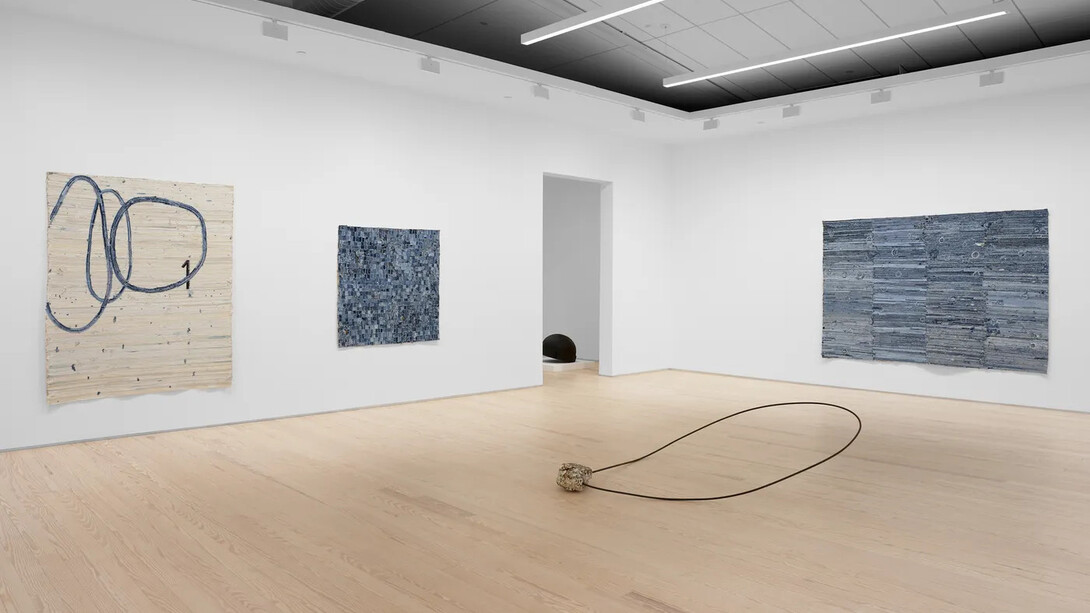
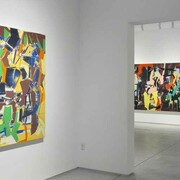
Inman Gallery is pleased to present how you sound, a solo exhibition of new work by Jamal Cyrus, on view February 7 – March 21, 2026.
Jamal Cyrus’ expansive practice draws on the creative strategies of collage and assemblage to engage the histories of the Black radical tradition. The sociopolitical applications of sound and music are central to his work, as is the poetic use of found materials such as denim, seashells, and musical instruments. how you sound furthers Cyrus' rich engagement with materiality, producing new denim works and sculpture to explore Black sonic tradition, instrumentation, and ritual. Embracing abstraction, his work illuminates historical narratives and figures systemically erased from view, while investigating cultural production, spirituality, and resistance within the African diaspora.
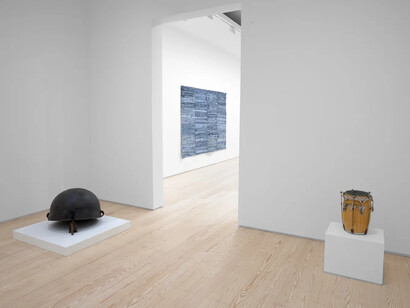
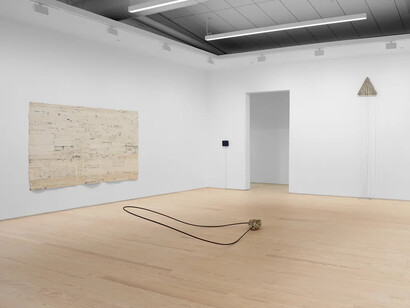
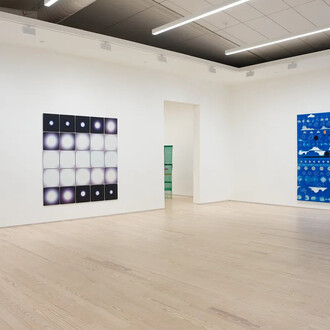
Denim foregrounds the exhibition: five large works, each executed in different formal modes illustrate the artist’s sustained interest in the material’s conceptual richness and aesthetic pliability. Certain works, such as Numerologies (class notes from Black man in the cosmos), attest to concrete histories, in this case to the FBI files on the Black Arts Repertory Theatre/School and their affiliations with jazz musician Sun Ra. Others, such as JB’s Gnawan sweat rite, an imagined North African ritual for American singer James Brown, speak more broadly to the artist’s speculative investigations of globalized Black culture and music.
These themes culminate in the mounted sculpture Quest module, which acts as reverent centerpiece and grounding thesis in the main gallery. The triangle motif appears in Cyrus’ oeuvre as a reference to triangular trade, prefacing the assertion that the origin of Black American sound came from enslaved Africans crossing the Middle Passage. The seashells visible in the tabby concrete (Quest module) and found encrusted concrete (The inflated tear, sourced from Galveston) both reiterate this connection, pointing towards the sea as important sonic terrain.
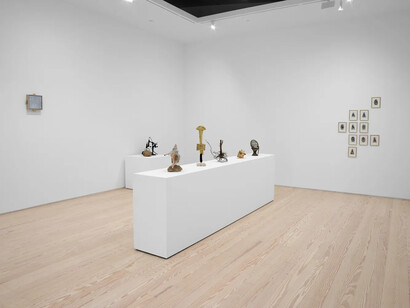
The south gallery presents a series of sculptures conceived as musical instruments. These works engage the teachings of artist and mentor Terry Adkins, who, like Cyrus, made use of found materials – a process Adkins referred to as “potential disclosure” – with the aim to “make sculpture as ethereal and transient as music” (Terry Adkins, 2013). Like Adkins, Cyrus makes physical suggestions of music and sound, even when the sculptures remain silent. Conch shells jut against remnants of saxophones and trumpets, reinforcing a direct connection between Black music traditions and the Middle Passage. Beyond sound-making, these objects operate as instruments of ritual. The playing, or the suggestion of playing, becomes a way of (re)connecting to the ancestral realm. Even the making of the object, the manipulation of the found materials in a new context, exist as a meaning-making action, not unlike a performance.
The slippery title, “how you sound,” points as much towards a description – a sound’s tone or tenor – as it does to a process or instruction: a way of sound-making. In Cyrus’ work music is alchemical: a way (back) to Blackness. Across media, sound guides us to persons, places, times and things, to sites of curiosity, elation, and grief. Offering solace and refuge, sound is a salve, a thumbprint, a spark: a reconnected root crossing generations and oceans.