English
 Español
 Français
 Deutsch
 Italiano
 Português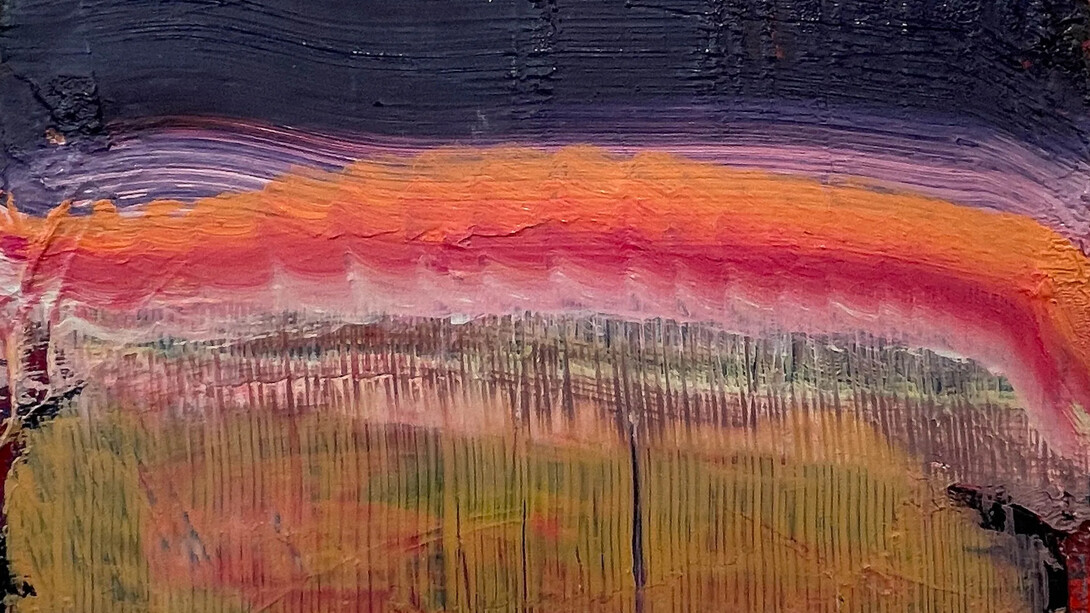
532 Gallery is pleased to announce Signal interference: urban myths in flux, showcasing new and recent works by Diana Copperwhite, Gustavo Acosta, Amy Hill, Tanja Selzer, and Patrick Neal. This exhibition probes the slippery interface between perception, memory, and constructed realities, weaving intimate abstractions with charged figurations to dissect urban decay, digital tensions, and mythic disruptions in an era of perpetual static.
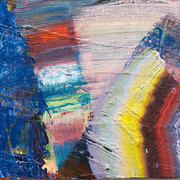
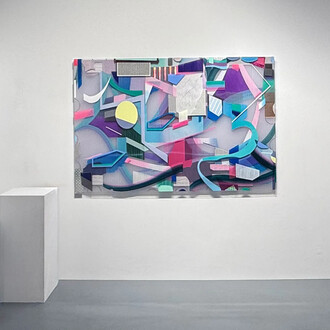
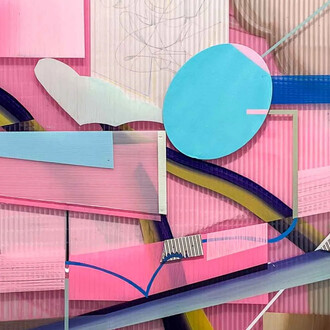
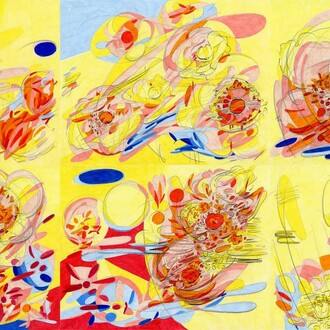
Diana Copperwhite’s small-scale 2025 series anchors the show with her signature temporal flux — layering squeegee drags, impasto builds, and solvent erasures to evoke psychedelic memory fragments. Nodding to Abstract Expressionist gestures like Joan Mitchell’s autonomy or Willem de Kooning’s raw instinct, her work infuses a digital-poetic edge that’s as elusive as it is magnetic.
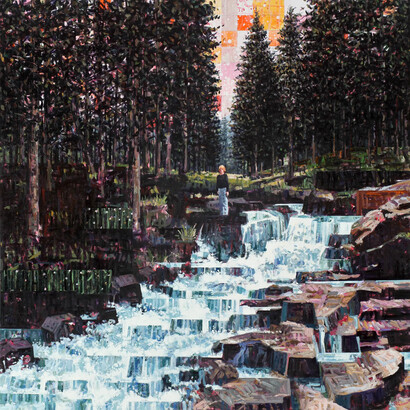
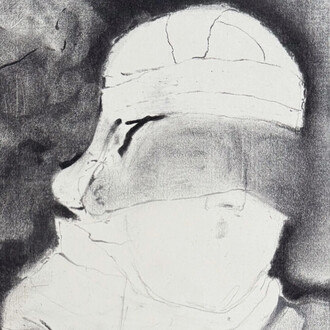
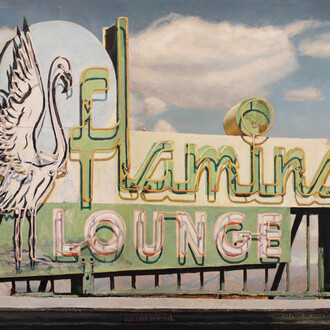
Gustavo Acosta’s five small paintings from his Intimate portrait series (each 14x14 inches, 2025) and the larger The Waterfall’s Manifesto (54x54 inches, 2022) transform bleak cityscapes into subtle rebellions against perceptual numbness. Blending photoreal precision with raw, deliberate drips that recall mid-century modernism, these pieces deliver intellectual bite amid visual poetry, as noted by critic Donald Kuspit for their defiant flashes of color. The manifesto work, depicting a young figure in a powerful elemental setting, stands as a profound counterpoint to urban entropy.
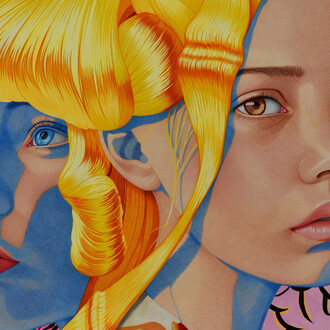
Amy Hill brings figurative subversion, reimagining Venice’s tourism vistas with a Flemish Renaissance glow-up infused by Botticelli’s ethereal grace. Her oil paintings juxtapose 15thcentury formality — Van Eyck’s precise domesticity — with modern leisure poses, crafting witty tensions between historical gravitas and contemporary whimsy. Employing traditional techniques, Hill positions herself as a fresh voice in recontextualizing Renaissance mastery.
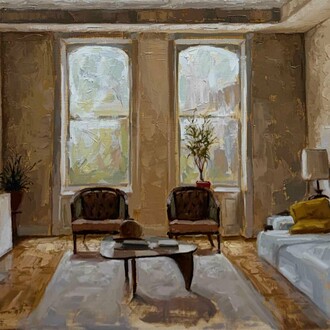
Tanja Selzer’s Afternoon series introduces voyeuristic explorations that blur boundaries between observation and intrusion. Her paintings probe social consequences through ambiguous figurations, inviting viewers to question myths embedded in everyday urban encounters.
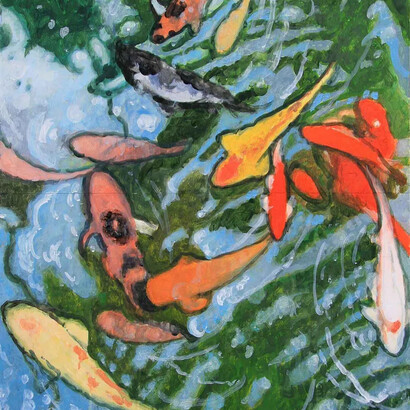
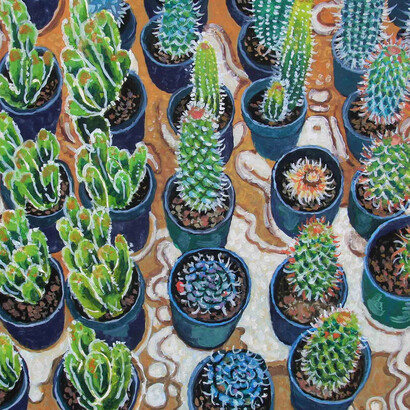
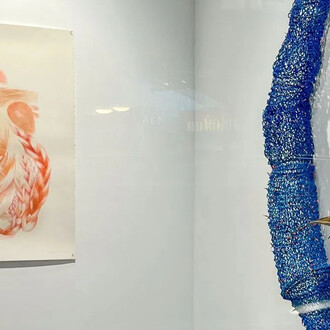
Patrick Neal rounds out the dialogue with two 2025 watercolors on paper mounted on panel, drawn from site encounters and reimagined as abstract psychological terrains. In Cacti (24 x 24 inches), an overhead view organizes organic sprawl into formal tension, evoking resilience amid constructed confines — his roving grid interferes with perception, turning mundane flora into mythic symbols of urban endurance. Koi (36 x 24 inches) captures swirling fish in a pond, transporting a cultural artifact from a public park into a colorful tapestry that probes boundaries of place and identity.