English
 Español
 Français
 Deutsch
 Italiano
 Português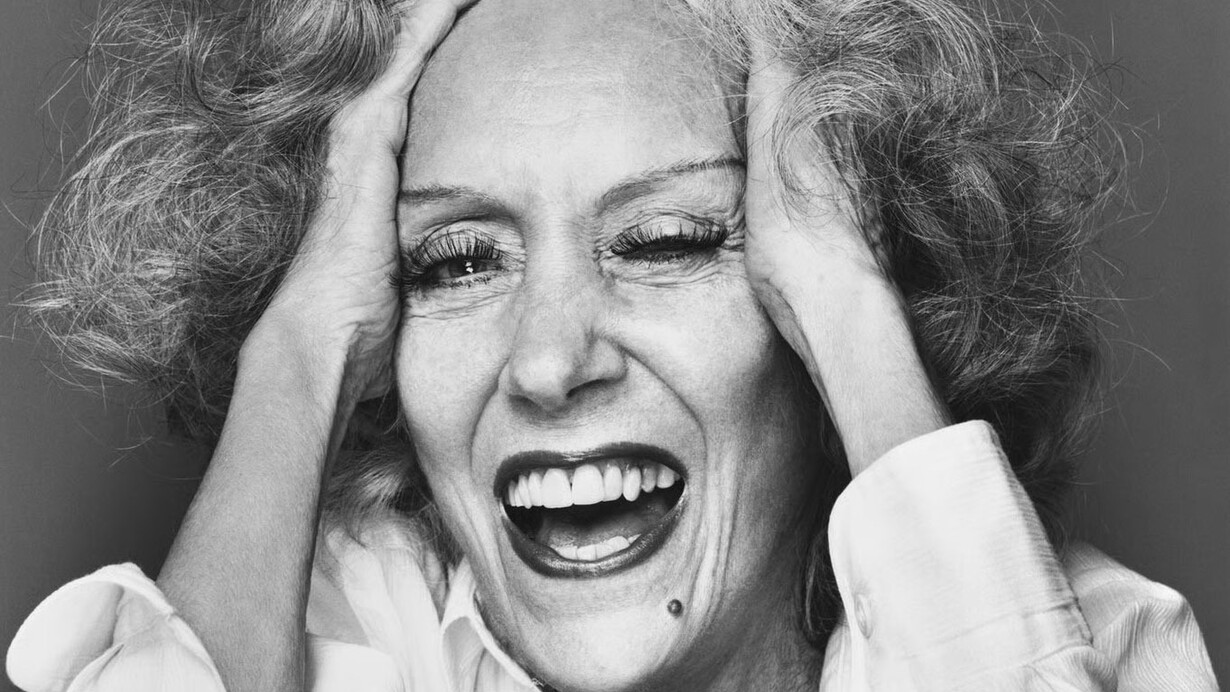
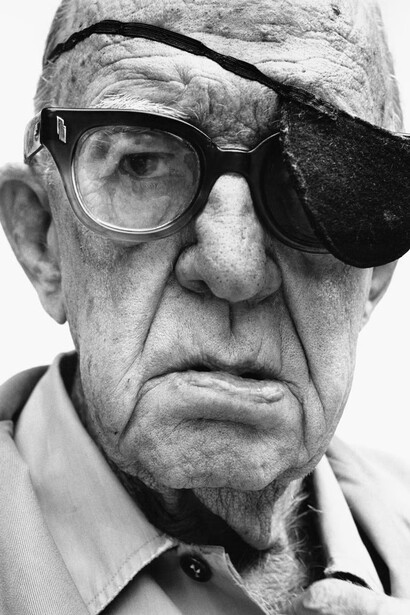
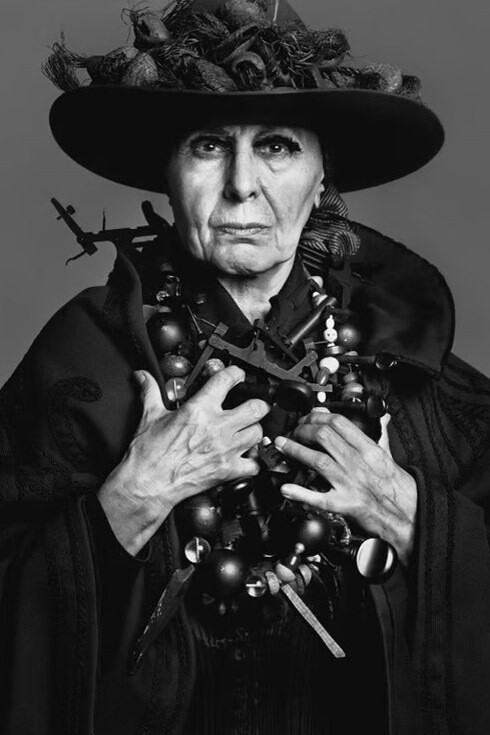
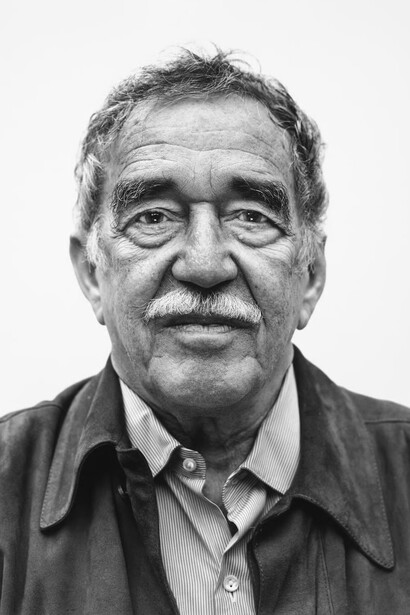
Featuring close to 100 portraits of public figures like Chet Baker, Samuel Beckett, Toni Morrison, Truman Capote, Duke Ellington, Patti Smith and Jean Renoir, Immortal is dedicated to one of the 20th century’s most celebrated photographers, focusing on a fascinating and unexpected dimension of his work: aging.
For nearly half a century, American portraitist and fashion photographer Richard Avedon sought to represent advancing age in the faces of people he photographed: from artists and writers to politicians and performers, to the everyday citizens in his best-known series, In the American west.
These portraits—visual “sermons on bravado,” as he sometimes called them—dramatized the universal experience of aging and testified unflinchingly to the determination with which people confront the relentless advance of mortality. Few artists have addressed this subject as consistently or controversially as did Avedon, who explored aging throughout his career as America’s most influential portrait photographer.
From Avedon’s earliest years at America’s pre-eminent fashion magazine Harper’s bazaar, the standard practice for editorial photographers was to represent public personalities in a way that flattered them by means of favourable poses and angles; bounced or diffused light; special lenses and filters that softened facial features; and post-photography retouching to smooth the skin’s appearance. Avedon, however, routinely and audaciously violated these tenets, highlighting infirmities, wrinkles, crow’s feet, folds of skin, and liver spots—the outward markers of what he once called “the avalanche of age,” falling over the human face and body.
By comparison with predecessors like Edward Steichen and peers such as Irving Penn, Avedon’s portraits were considered scandalous for their emphasis on aging. In reality, far from being hostile to his subjects, Avedon depicted people with heightened empathy for the struggles they weathered in the crucible of life: the battles they survived, the lessons learned over time, and the resilience they needed to endure despite declining health.