English
 Español
 Français
 Deutsch
 Italiano
 Português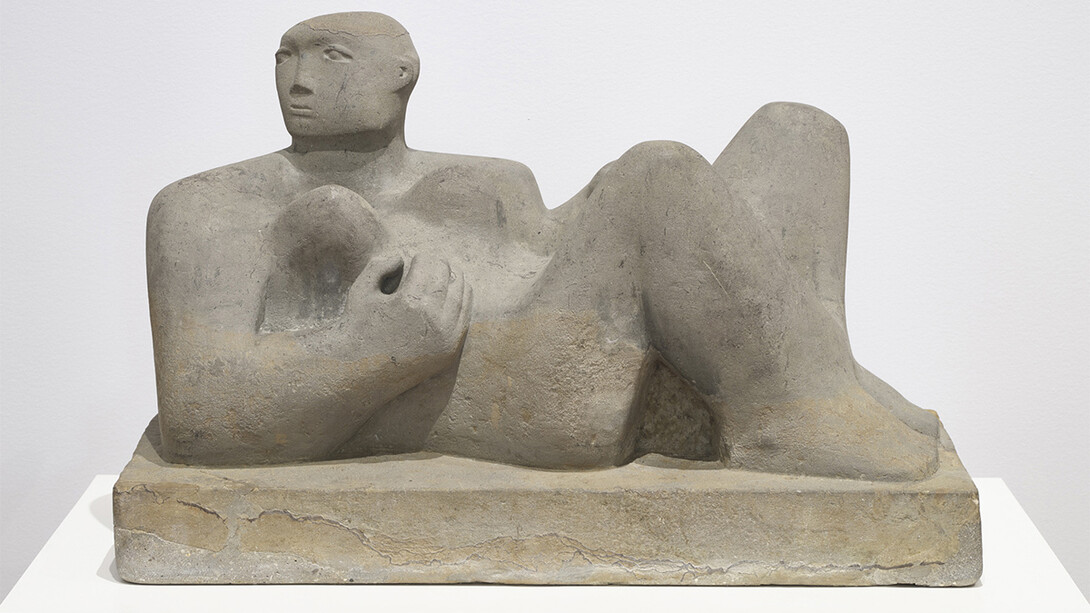
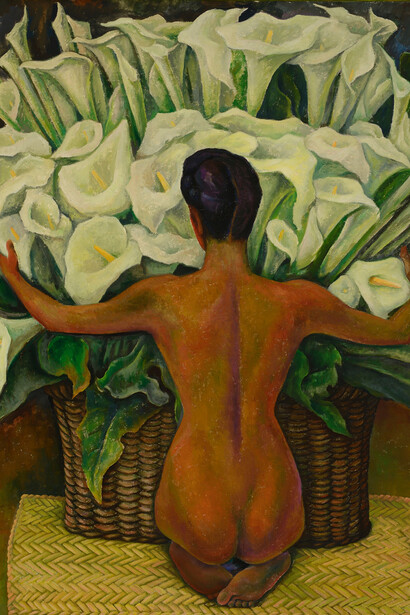
Diego Rivera Meets Henry Moore brings together an important international loan and a work from the museum’s permanent collection in order to generate new perspectives on the history of modern art. Conceived as the first installment in an ongoing exhibition series, the presentation centers on Diego Rivera’s celebrated painting Nude with calla lilies (1944), generously lent from a private collection, alongside Reclining woman (1930) by Henry Moore, one of the leading avant-garde sculptors in Britain during the twentieth century. Through this dialogue, the exhibition examines how two artists working in different cultural and political contexts approached the representation of the female nude in radically distinct ways.
Although both works share the same central subject, Rivera and Moore reveal contrasting visions of modernism, form, and the human body. Rivera’s painting emphasizes monumentality, sensuality, and social presence, while Moore’s sculptural language explores abstraction, volume, and organic form. By placing these works in direct conversation, the exhibition highlights both the shared concerns and the profound differences that shaped artistic experimentation across international modernist movements. Rather than presenting modernism as a singular or unified narrative, the exhibition opens a broader global perspective on how artists negotiated identity, politics, beauty, and artistic purpose during the first half of the twentieth century.
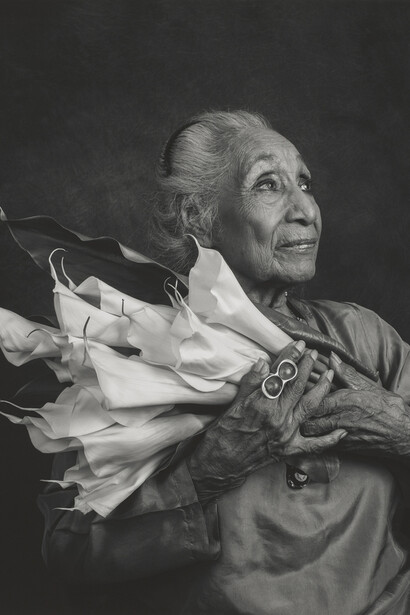
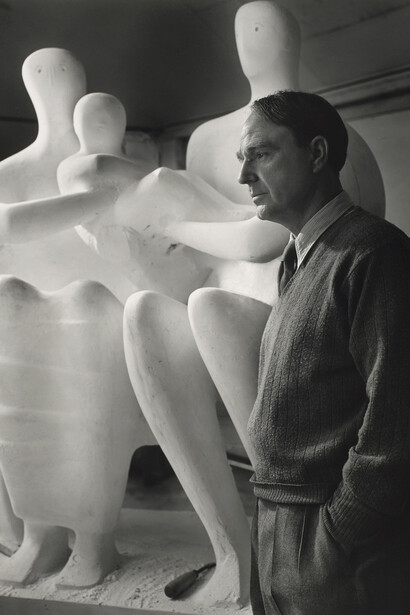
The presentation is further enriched by photographs and drawings from the museum’s collection, which provide additional historical and personal context surrounding the two artists and Rivera’s model and collaborator, Nieves Orozco. These materials expand the exhibition beyond a simple comparison of artworks, offering insight into the creative processes, relationships, and cultural environments that informed their production. Intimate in scale yet ambitious in scope, the exhibition proposes a reconsideration of modern art through unexpected encounters and transnational dialogues.