English
 Español
 Français
 Deutsch
 Italiano
 Português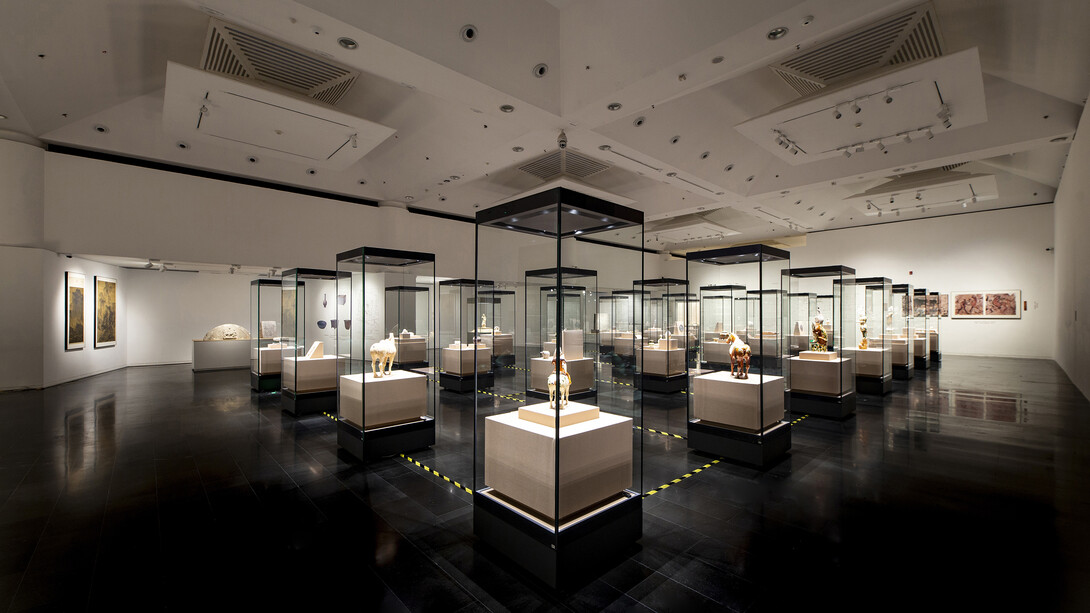
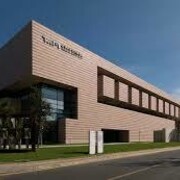
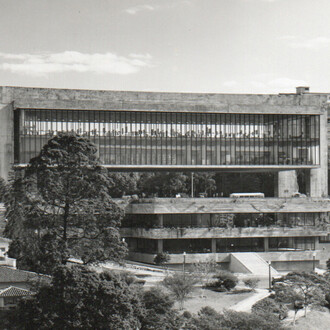
Since its founding, the Tsinghua University Art Museum has upheld the guiding principle of “integrating East and West and bridging antiquity and the present.” This vision has shaped a dynamic exhibition program that places China’s cultural heritage in dialogue with global perspectives while fostering new interpretations of historical legacy. Building on landmark exhibitions such as Everlasting like the heavens: the cultures and arts of Zhou, Qin, Han, and Tang, Splendor of Huaxia: the essence of Shanxi’s ancient civilization, and The evolution of rites in the east: the essence of Shandong’s ancient civilization, the museum continues its exploration of foundational traditions that have defined Chinese civilization.
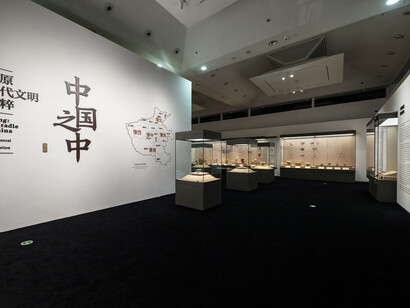
In December 2025, the museum presents Zhōng: the cradle of China — Glory of the central plains civilization, taking zhōng (“the center”) as its conceptual core. The exhibition foregrounds the pivotal role of the Central Plains within the broader framework of Huaxia civilization, emphasizing its historical function as a political, cultural, and intellectual heartland. By focusing on the idea of centrality—geographical, philosophical, and symbolic—the project invites visitors to reconsider how the notion of “center” has shaped Chinese identity across millennia.
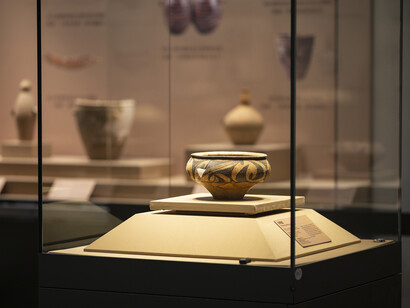
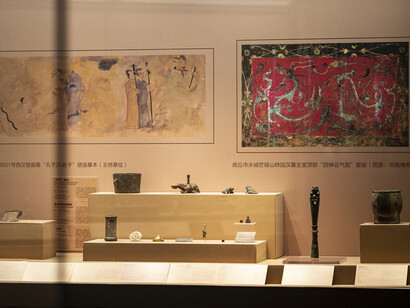
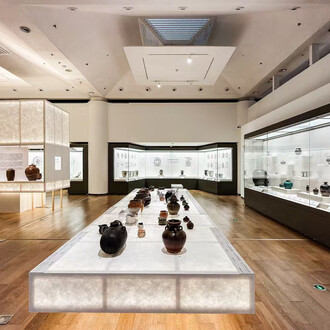
Jointly organized by Tsinghua University and the Henan Provincial Cultural Heritage Administration, the exhibition brings together approximately 400 carefully selected objects. Spanning from prehistoric periods through the Song and Ming dynasties, the presentation systematically highlights the remarkable achievements of the Central Plains in political institutions, ritual and musical culture, philosophical thought, and artistic innovation, offering a comprehensive narrative of one of the most influential regions in Chinese history.