English
 Español
 Français
 Deutsch
 Italiano
 Português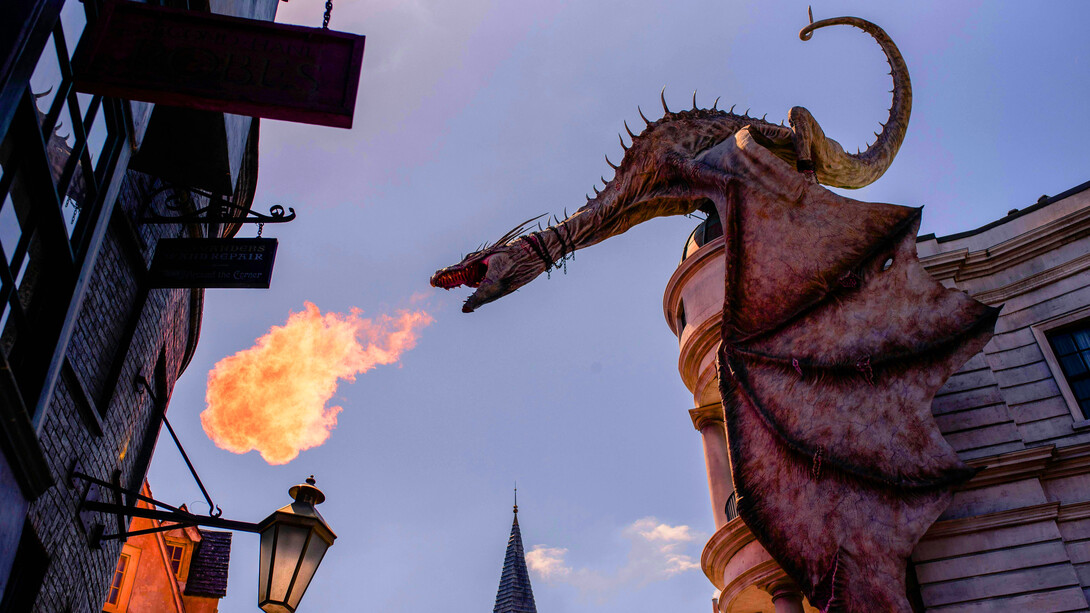
Introduction: the comfort of the familiar
In recent years, there hasn't been any brand-new biggest hit. All of them have been stories we already know of, versions that were remixed and polished up. For instance, Mean Girls is back again and this time around it is going to be a musical. Twilight is trending again. Even Harry Potter is getting a TV reboot.
Why are we always gripped by nostalgia? And when does the adoration we have for yesterday begin to negatively affect creativity? This has nothing to do with lazy reboots. It is all about why we have a craving for them, when they work, and what happens when the well of nostalgia runs dry.
Comfort food for the soul: why we crave nostalgia in turbulent times
Nostalgia is not merely a fad or something that is trending. It is just a psychological lifeline. Research has revealed that in times of uncertainty (such as economic instability or post-pandemic recovery), people tend to seek stories that are familiar. They do this because they give:
Shared cultural touchstones—In a media landscape that is fragmented, nostalgia provides us with common ground.
A dopamine hit—When you revisit favourites from our childhood, warm and fuzzy brain chemistry is triggered in your brain.
Emotional safety—In an unpredictable world, well-known worlds (such as Star Wars or Friends) feel predictable.
What results in the end is that in these recent years we are experiencing a golden age of revivals, reunions, and reboots. However, not all of them are hits.
The reboot economy: why studios bet big on known franchises
In the entertainment industry, it is very risky to toe the path of uniqueness or originality. A safer bet has always been nostalgia. Here are some reasons for the same:
Merchandising gold: A remake of Lion King would mean that there would be fresh and brand-new soundtracks, theme park rides, and toys.
Streaming strategy: In order to keep their subscribers hooked and always on their channels, platforms like Disney+ and Netflix rely on IP that is already well-known and familiar to the viewing audiences (such as Marvel and Stranger Things).
Box office data: In the year 2023, out of the 10 highest-grossing movies released, 7 were adaptations, reboots, or sequels.
However, corporate greed is not what is at play here. It is what has been chosen by the audiences.
When nostalgia works: the art of the perfect revival
Some reboots seem to be on a mission to literally rewrite the financial fortunes of the studio producing and marketing them. Such movies are not only interested in cashing in—they virtually take the original and elevate it higher than ever before. What are some similarities that exist in these successes?
Andor (2022)—This is a Star Wars story that was not just fan service. It was engrossing, compelling, thrilling, and stood on its own.
Dune (2021)—This was a brand new take on an iconic movie that has a cult following. It did not have to rely exclusively on the existing fan base of the original version that was released in 1984.
Top Gun: Maverick (2022)—This sequel did more than update the stakes (and flight sequences)—it pulled in massive numbers in the box office while honouring the original version.
The key to success in all these sequels and reboots is simple: the producers ensure that the past is respected. However, they are not enslaved by the past or original versions. Respect but don't get enslaved.
When nostalgia backfires: the curse of the lazy reboot
For every blockbuster in the likes of Maverick, there’s bound to be a couple of misfires, even if it's just one. Here is a short list of some recent cautionary tales:
Ghostbusters (2016)—This is one reboot that is completely different. They did not understand the reason why people were still in love with the original version.
Rings of Power (2022)—This sequel/reboot completely strayed too far from canon and the source material developed by Tolkien. It's no wonder why fans felt alienated.
The Flash (2023)—Instead of telling a compelling story, this movie leaned too hard on the Batman cameos played by Michael Keaton.
What lessons can movie producers learn from these misfires? It is not enough to depend on nostalgia alone—a good story is still needed.
Beyond the reboot: the new nostalgia playbook
Producers are getting smarter about blending new with old. Below are a couple of instances that illustrate these emerging trends:
Meta-commentaries—Everything Everywhere All at Once and Barbie played with nostalgia while also subverting it.
Reimagining that are gritty—The Last of Us remained the heart of the game while also making expansions to its world.
"Legacy sequels"—Blade Runner 2049 and Creed passed the torch to new characters.
The best entries make effective use of nostalgia. However, they don't use nostalgia as a crutch. They use nostalgia as a launchpad.
The future of nostalgia: can we ever move forward?
Audiences are starting to push back. Here are a couple of signs of fatigue:
AI’s looming threat—Will future "nostalgia" just be content generated by algorithms?
Critics are demanding originality (the rise of A24 is proof that there’s a market for fresh stories).
Bombs at the box office (The Marvels, Indiana Jones 5) demonstrate the exhaustion with franchises.
In spite of all this, nostalgia isn’t showing signs of vanishing anytime soon. Rather, it appears to be evolving. The next wave might consist of:
Nostalgia for the recent past (Are we prepared for 2010s throwbacks?).
Interactive nostalgia (Can anyone imagine reboots of Choose-your-own-adventure?).
Mashups (for instance, Cyberpunk: Edgerunners blending futuristic themes with 1980s aesthetics).
Conclusion: the delicate dance between past and future
Nostalgia isn’t essentially bad—it’s how we make use of it. The best reboots give us new reasons to care while also reminding us why we loved something. The worst reboots depend on recognition alone; they are hollow imitations.
As viewing audiences, we vote with our attention. Do we support tales that honor the past while pushing forward? Or do we reward lazy rethreads? The answer is going to shape the next decade of entertainment.
So, what do you think? Are you thrilled at the reboot of Harry Potter? Or are you longing for something truly new? The conversation is just starting.