English
 Español
 Français
 Deutsch
 Italiano
 Português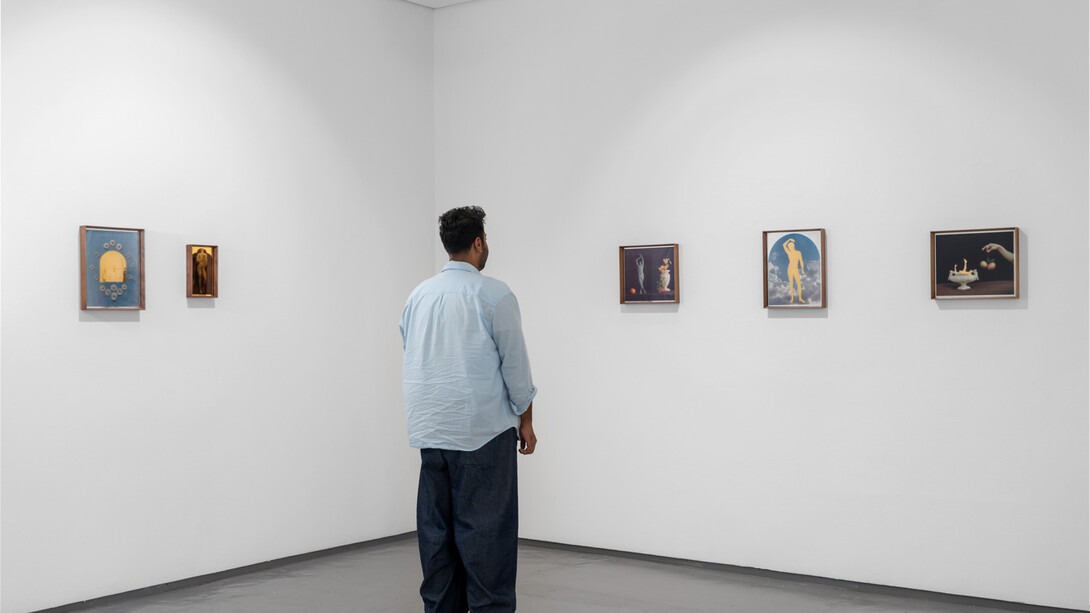
Whatiftheworld is proud to present Faggots, follies and fantasies, a solo exhibition by Strauss Louw.
Before I finish, I intend to celebrate our corner of Paradise.
(Derek Jarman. Modern nature)
Try it, say it: Faggots. Follies. Fantasies.
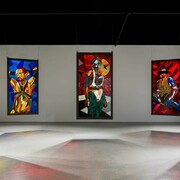
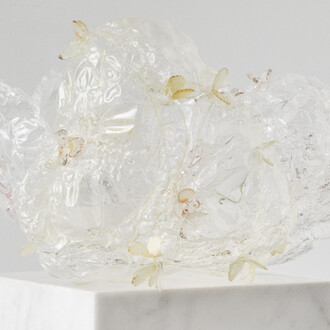
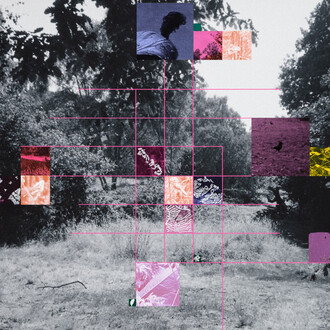
With a title that fizzes and sparkles on the tongue, Strauss Louw invites us into a world of his own queer making. Here, we are witness to a fantastical garden of enchantment and erotic possibility, a space where ornament and floral symbolism are folded into his ongoing dialogue with the male body.
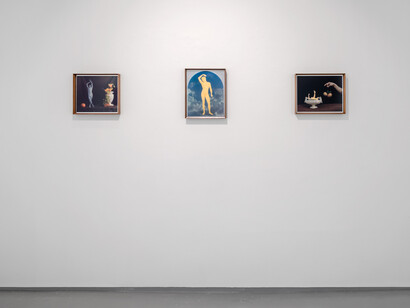
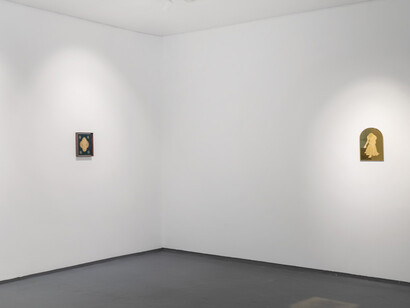
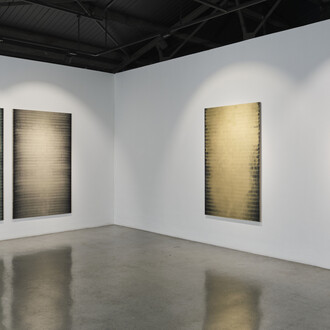
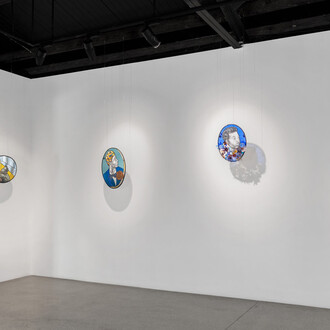
Moving beyond traditional photographic methods, Louw uses mineral carbon-based pigments and metal oxides to expose and hold images on the glass surfaces. This unique process transforms each piece into a distinctive folly, a secluded architectural fantasy where both intimacy and vulnerability are celebrated. Follies have long served an important role in queer culture. Derived from the French word folie, meaning madness and extravagance, these decorative structures served as spaces for expression, refuge, and sexual dalliance during periods of social repression. Some of the most well-known follies featured carefully designed secret gardens, winding paths, lush wildernesses, and hidden grottos, all of which promised moments of private pleasure. The folly holds a significant place in Louw’s work, especially concerning his broader interest in spaces intended for ritual and intimacy.
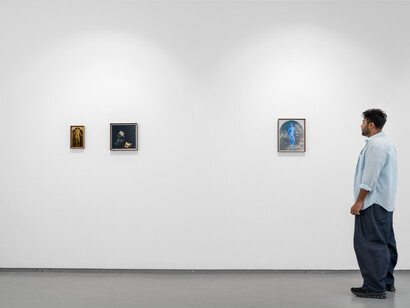
As he explains, these works feature people he holds close – companions, friends, and lovers – which are interwoven with images of his own body. When seen together, we are witnesses to the personal and artistic community he has cultivated over the years. Some figures are posed playfully as classical figures, while others are framed by delicate floral compositions and still-life arrangements, each choice accentuating their personal connection to the artist. The various shimmering panes function as modern reliquaries, housing moments of tender vulnerability and fervent desire, and elevating the male forms they hold into objects of sacred, playful contemplation. With a palpable sense of camp, these works take joy in and poke fun at classical and liturgical imagery, always delivered with an unmistakable wink. We observe it in the curves of a downy buttock, the hint of hair encircling a navel, and the quiet, alluring repose of the wounded ‘St Shakil’, all of which bear the promise of an experience that is both sacred and sensual, but never too serious for its own good.
Paying particular attention to composition, Louw’s use of curves, arabesques and rosettes echoes throughout the artworks. From the delicate arc of a limb to the floral frames that encircle the figures, visual rhythm unites the pieces, elegant and enveloping, generous and protective.
At the same time, by intentionally featuring daisies, lilies, green carnations, and roses, the work not only references an old tradition of encoding flowers and plants with queerness but also situates these symbols within a hortus conclusus, a secluded garden that offers sanctuary to those who seek its shelter.
Finally, the inclusion of reflective surfaces, such as mirrors and gold or silver leaf, draws the viewer into this private tableau. This clever technique completes the mirror play by superimposing our own image onto these tender scenes. Be it in the vanity case, bathroom, cubicle or club, queers have a long and loaded relationship with mirrored surfaces. With this in mind, Louw invites us to participate – to become a fleeting, shimmering reflection in his follies, experiencing his world not merely as observers but as part of its very composition.
(Text by Ernst van der Wal [an evening botanist])