English
 Español
 Français
 Deutsch
 Italiano
 Português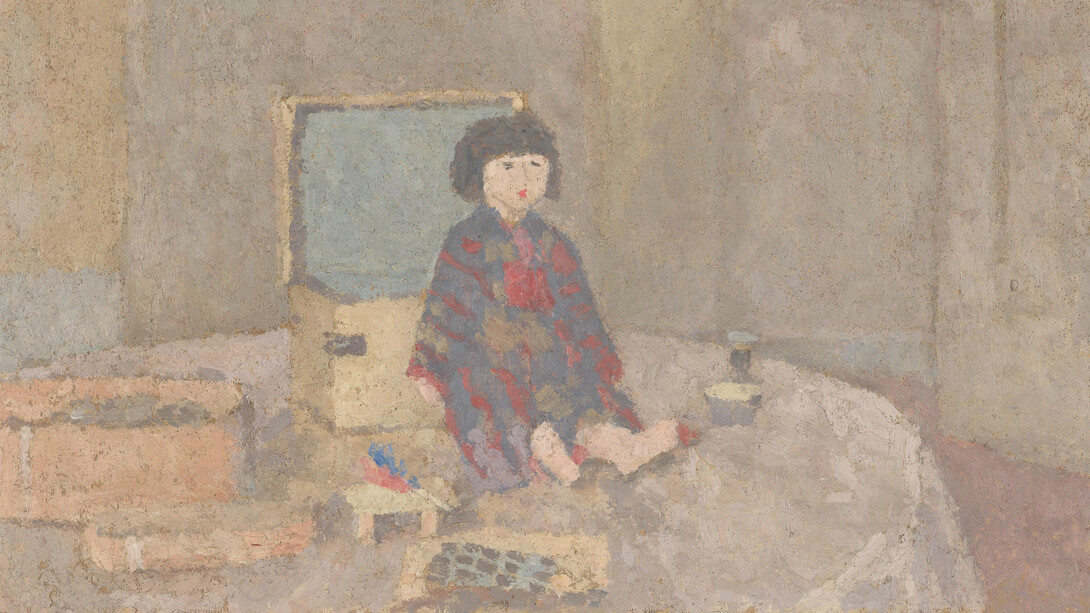
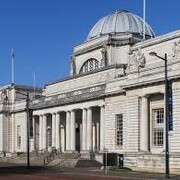
A landmark exhibition of Gwen John, one of Wales’s greatest modern artists, will go on show at National Museum Cardiff from 7 February 2026, before touring internationally. Tickets are now available to book for Gwen John: strange beauties which is the most comprehensive retrospective of the artist’s work in 40 years.
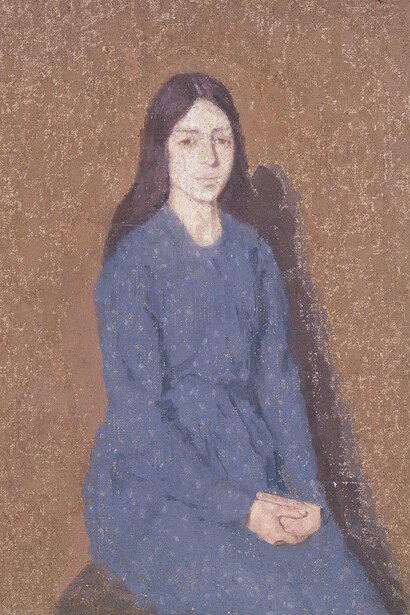
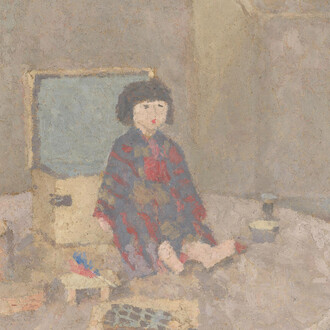
Amgueddfa Cymru purchased its first work by Gwen John, Girl in a blue dress, for £20 in 1935, just four years before the artist’s death. It now holds the largest public collection of her artworks in the world.
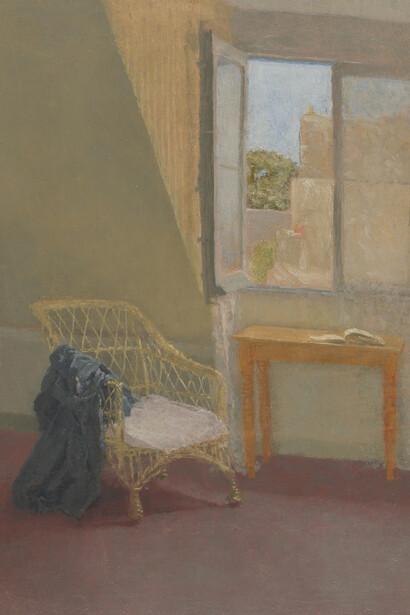
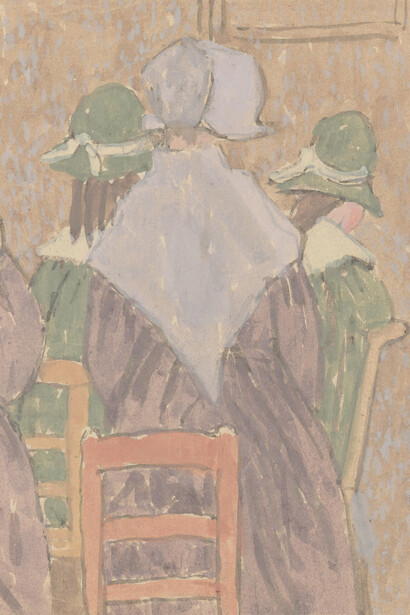
The exhibition brings together oil paintings from public and private collections across the UK and USA with rarely seen works on paper from the artist’s studio collection. Ranging from delicate landscape sketches to impromptu figure studies and vibrantly coloured still lifes, these lesser-known drawings and watercolours reveal the full scope of John’s artistic ambition.
More than 200 paintings, drawings, watercolours, sketchbooks, letters, and archival material will be displayed, with loans from institutions such as The Metropolitan Museum of Art, New York, The Museum of Modern Art, New York, and Tate.
With principal funding secured from Colwinston Charitable Trust, Gwen John: strange beauties will provide a fresh perspective on her artistic legacy and new insights into the life of the celebrated artist whose work was never fully recognised during her lifetime.
Born in Haverfordwest, Pembrokeshire, in 1876, Gwen John trained at the Slade School of Art in London and was one of the first British women to receive a formal art education. She later moved to Paris, where she became part of its vibrant artistic community, forging an independent path in a male-dominated art world. Her subtle portraits and interiors, muted tonal palette and contemplative style set her apart from her contemporaries as a quieter yet radical voice of modernism.
In her private notes, Gwen John called herself “a seer of strange beauties.” She studied the world closely, often painting and drawing the same subjects many times, each time in a new way. The exhibition reveals the depth and range of John’s practice, from her early works in Wales to her later paintings inspired by British and French modernism, religious devotion and her surroundings in Meudon, near Paris.
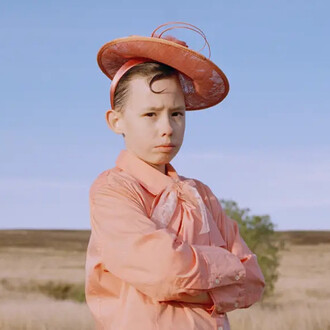
One hundred and fifty years after her birth, the creative influence of Gwen John continues to resonate today. Designer Jonathan Anderson is a collector, citing her palette and emotional depth as key influences on his collections. Designer Phoebe Philo’s understated aesthetic is often compared to her restrained sensibility, while painter Celia Paul has openly reflected on John’s impact in her book Letters to Gwen John. The Manic Street Preachers have drawn on her life and legacy in their music (The secret he had missed), and photographer Laura Pannack cites early 20th-century female painters including John, as key influences on her palette and quiet, painterly approach to portraiture.