English
 Español
 Français
 Deutsch
 Italiano
 Português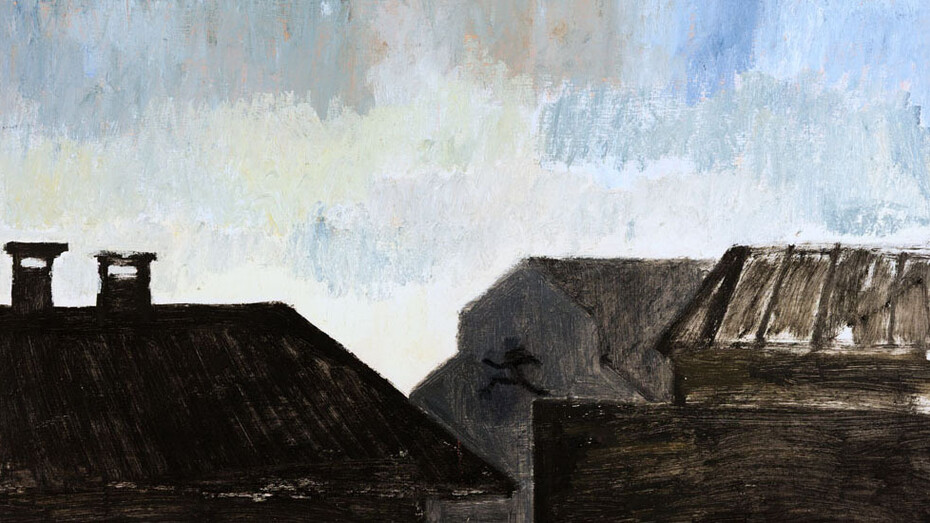
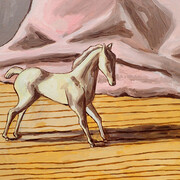
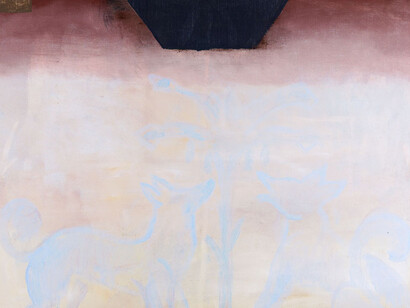
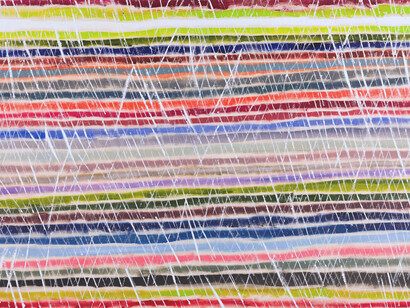
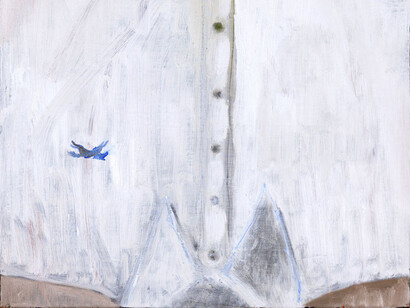
There is a common misconception that haunts exhibition halls: the idea that looking at a painting is an exercise of translation. As if behind the stain of color there was a hidden text, a code that the viewer had the obligation to decipher and thus validate his experience and understanding. But painting, in its most vibrant and primary state — as I understand Heron P. Nogueira’s painting — refuses the role of enigma. It is not an encrypted message; it is, above all, a diversion, a game of transitory rules.
Painting is – like playing – an act of rigorous presence, a systematic practice where the artist, far from imposing his will, enters into negotiation with the work – seeks the direction of a move. In this territory, he accepts the challenge of not knowing the final result of the painting. It is possible that he spends days in front of a surface, observing the behavior of the paint in the light, the weight of a shadow or the tension between two shades, in a logic of action-inaction, of question-answer.
Sometimes, continuity calls for a broad and intense gesture; other times, it calls for restraint and the action is almost invisible. But it is in the negotiation between what is planned and what the painting requires that the work develops, ending with the extinction of the dialogue between the gaze and the matter.
(Text by Maria Joana Vilela)