English
 Español
 Français
 Deutsch
 Italiano
 Português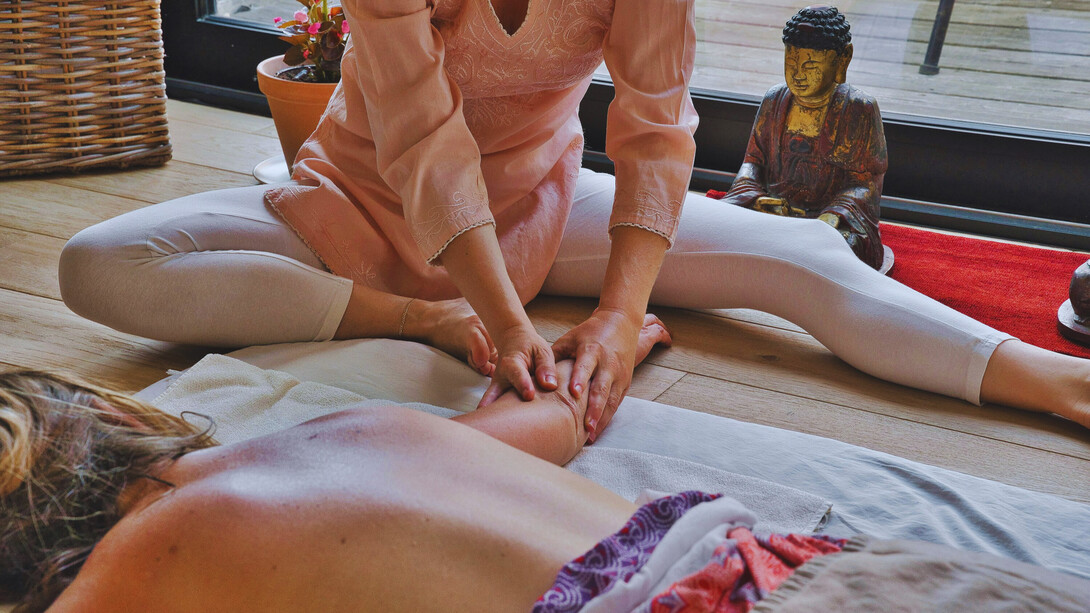
On September 23, 2025, the world marked the 10th Ayurveda Day, celebrating one of India’s most enduring gifts to humanity—an ancient system of health and harmony that continues to inspire the global wellness movement. Rooted in India’s cultural and spiritual heritage, Ayurveda—from the Sanskrit words Ayur (life) and Veda (knowledge or science)—teaches the art of living in balance. Based on six fundamental pillars—Āhāra (mindful diet), Nidrā (rest), Brahmacharya (moderation), Dinacharya (daily routine), Ritucharya (seasonal routine), and Sattva (mental clarity)—this wisdom is finding new resonance across continents, including here in Tunisia.
A new era of balance: the establishment of national Ayurveda Day
In March 2025, the Government of India officially designated September 23 as National Ayurveda Day, replacing its previous link to the festival of Dhanteras, traditionally observed in the Hindu month of Kartik. Because Dhanteras falls on a changing lunar date, Ayurveda Day previously shifted each year. The new fixed date—coinciding with the autumnal equinox, a universal symbol of balance—beautifully reflects Ayurveda’s essence: harmony between body, mind, and spirit. This symbolic decision also aligns Ayurveda with a global rhythm, making it easier for countries like Tunisia to celebrate and participate in the shared journey of well-being.
Ayurveda: between tradition and science
With origins in the Vedic texts, Ayurveda views health as a dynamic state of equilibrium between the individual and the environment. It recognizes three governing energies or Doshas—Vata (air and space), Pitta (fire and water), and Kapha (earth and water)—that define each person’s physical and mental constitution (Prakriti). The Ayurvedic proverb reminds us: “When diet is wrong, medicine is of no use; when diet is correct, medicine is of no need.” Through nutrition, herbs, massage, and mindful living, Ayurveda restores this delicate balance.
Today, the World Health Organization (WHO) recognizes Ayurveda as a complete system of traditional medicine. Leading universities in India and abroad have integrated it into programs on complementary and integrative health. Modern research supports its effectiveness in managing chronic diseases and promoting seasonal awareness, emphasizing its ecological approach to well-being.
Ancient wisdom for a modern world
In a world increasingly affected by healthcare overreach, chronic stress, and environmental imbalance, Ayurveda offers timeless and practical solutions. Its daily and seasonal routines—Dinacharya and Ritucharya—invite individuals to live in rhythm with nature’s cycles. By understanding one’s Prakriti, Ayurveda promotes personalized wellness rather than one-size-fits-all prescriptions.
Many organizations now integrate Ayurvedic principles into corporate wellness programs, blending breathing exercises (Prāṇāyāma), mindful breaks, and anti-inflammatory diets into daily routines. This modern adaptation demonstrates how ancient wisdom can inspire sustainable well-being and resilience in today’s fast-paced world.
Ayurveda in Tunisia: a growing interest
In Tunisia, Ayurveda’s presence has been steadily expanding thanks to the Embassy of India in Tunis and a growing network of local practitioners. A milestone came in 2019, when Tunisia was represented for the first time at the International Ayurveda Ambassador’s Tour & B2B Meet in Kerala. Organized by the Ayurveda Promotion Society (APS) in partnership with the Ministry of Tourism, Government of India, Kerala Tourism Department, and Confederation of Indian Industry (CII), this event gathered delegates from 30 countries.
Ms. Nihel Bchini, selected as Tunisia’s Ayurveda Ambassador, played a pioneering role in introducing Ayurveda to Tunisian audiences. During the COVID-19 pandemic, interest deepened further through online workshops, consultations, and natural immunity programs. Herbal oils, teas, and Abhyanga massages began to appear in wellness centers. “Ayurveda felt like a lifeline during the pandemic,” one participant said. “Simple rituals—like warm water, herbal infusions, and breathing practices—helped me feel calmer and stronger.”
Education, transmission, and wellness diplomacy
Beyond personal well-being, Ayurveda has become a bridge of wellness diplomacy between India and Tunisia. Its emphasis on education, sustainability, and self-knowledge aligns with Tunisia’s growing interest in holistic health. Opportunities for collaboration include exchange programs, certified training, and research partnerships that could foster an integrative health culture. The Embassy of India continues to nurture this exchange through public awareness initiatives and cultural diplomacy. Promoting Ayurveda means promoting well-being sovereignty—empowering individuals to take charge of their health through time-tested knowledge and mindful living.
Ayurveda & Tourism Day 2025: a new chapter
The year 2025 marked another milestone in Tunisia’s Ayurveda journey. On September 23, aligning with National Ayurveda Day and World Tourism Day, the Embassy of India in Tunis, in collaboration with the Ministry of Ayurveda, Yoga & Naturopathy, Unani, Siddha, and Homeopathy (AYUSH) and local partners, hosted a B2B Webinar on Ayurveda and Wellness Tourism under the theme “Ayurveda for People and Planet.”
The event brought together policymakers, travel professionals, and investors, creating a dynamic platform where culture met commerce. Through live presentations, expert talks, and business dialogues, the celebration positioned Tunisia as an emerging destination for wellness tourism—strengthening bilateral ties and emphasizing Ayurveda’s role in sustainable economic and cultural growth.
A living bridge between India and Tunisia
More than a medical system, Ayurveda is a living philosophy—an invitation to listen to the body, honor nature’s intelligence, and live consciously. Tunisia, with its own traditions of herbal medicine and natural remedies, shares an intuitive connection with Ayurveda. Daily habits such as drinking warm water, using turmeric, or practicing self-massage mirror Ayurvedic principles, creating a natural bridge between both cultures.
As Ayurveda continues to grow in Tunisia, it represents not only a healing practice but a shared language of harmony between India and the Mediterranean world.
Toward global recognition
India’s leadership in traditional medicine continues to expand through strategic partnerships and health diplomacy. Fifteen international Memoranda of Understanding (MoUs) have been signed with research institutions worldwide. In 2023, India entered a multi-year collaboration with the World Health Organization to establish global standards, benchmarks, and training modules for Ayurveda and other Indian systems of medicine.
This partnership supports the WHO Global Centre for Traditional Medicine in Jamnagar, Gujarat—now a global hub for quality, safety, and biodiversity in medicinal plants. Through these initiatives, Ayurveda is being mainstreamed into global health frameworks, reinforcing India’s role as both guardian and innovator of traditional wisdom.
Conclusion
From the majestic Himalayas to the sun-drenched shores of the Mediterranean, Ayurveda continues to weave its message of balance and well-being across borders. In Tunisia, it has found fertile ground—blending ancient Indian insight with Tunisian warmth, hospitality, and openness to holistic living. What began as a healing art has now evolved into a form of cultural and wellness diplomacy, fostering deeper understanding and collaboration between India and Tunisia. Each exchange, each practice shared, adds another thread to this tapestry of harmony that unites the two nations through health, heritage, and humanity. As the world rediscovers ancient wisdom in modern times, one can’t help but wonder—when will the global community unite to celebrate an International Ayurveda Day, honoring this timeless science that continues to heal bodies, connect cultures, and inspire a more harmonious way of life?