English
 Español
 Français
 Deutsch
 Italiano
 Português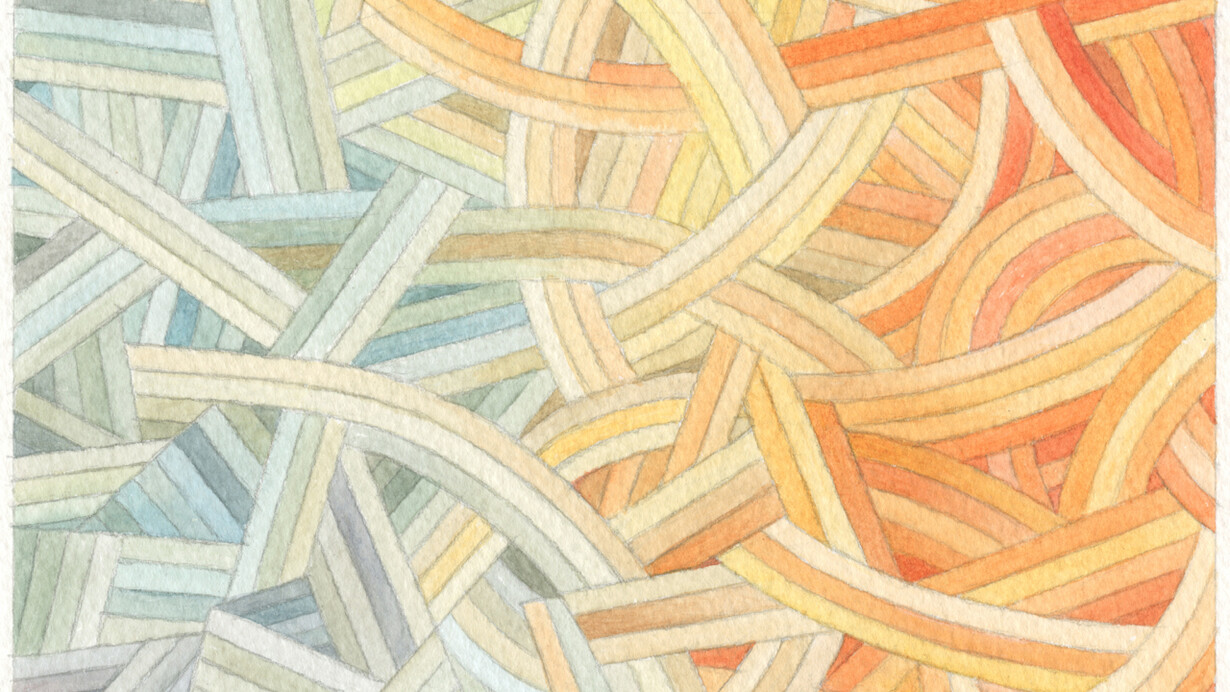
As the Leo Full Moon ascends to its throne in this weekend’s night sky, it alights with all the regal, theatricality of a handsome, celestial feline monarch. If the previous month’s lunations have been about quiet contemplation (albeit while sorting out the recycling bins), this one is all about the heart of the Lion – specifically, the heart’s capacity to roar, to bleed, and ultimately, to heal.
It’s a peculiar coincidence (though in the animist vision to which I subscribe, there are no coincidences, only patterns we have yet to observe) that this lunar peak aligns so closely with Holocaust Memorial Day1. The theme for 2026, Bridging Generations, acts as a cosmic prompt, asking us to look not just at our own reflection in the mirror, but at the long, flickering shadows cast by those who walked before us.
Leo is the astrological sign of the Sun, the ego, and the ‘star quality’ we all secretly believe we possess when watching X-Factor or singing in the shower. But a full moon in Leo is a more polarised, famished beast. It demands that we step out from behind our performative, decorative masks – the curated, juicy steak selves we regularly feed to social media – and hunt the slightly leaner cut of our Jungian Shadow2.
Carl Jung3, that delightful 20th-century explorer of the psychic basement, reminded us that the shadow isn't necessarily “evil”. It’s simply the "disowned" parts of ourselves – the bits we’ve stuffed into a psychological bin because they were too loud, too angry, or too inconvenient for polite society. Under the reflected illumination of a Leo Moon, these hidden traits start to pace their cage with a taste for fresh meat.
The shadow is that hidden, repressed, for the most part inferior and guilt-laden personality whose ultimate ramifications reach back into the realm of our animal ancestors.
(C.G. Jung)
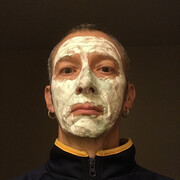
Personally, my shadow usually manifests as a deep-seated, superficial urge to correct people’s grammar at parties or an inexplicable desire to buy more art supplies when the studio is already a fire hazard. But collectively? The shadow is a much heavier lift.
Bridging the generational gap
This year’s Holocaust Memorial Day theme, Bridging Generations, provides a stark and necessary anchor for this potential lunar influence. When we talk about collective healing, we aren't just talking about a group hug and some lavender oil. We are talking about the ‘shadow work’ of nations.
The Holocaust remains the ultimate expression of the collective shadow – a moment where humanity projected its darkest fears and insecurities onto ‘the other’ with industrialised precision. To bridge generations is to acknowledge that this trauma isn't a museum piece; it’s a living thread. The responsibility of remembrance doesn't expire with the survivors. It lives in the silent witnesses of the items they left behind and the stories we must carry forward.
If we don't do the work to integrate these historical shadows, we risk becoming what Jung called "unconscious men" – puppets to culturally and socially enforced patterns of prejudice and ‘othering’ that we often erroneously claim to have outgrown.
We are presently dealing with the accumulation of a whole society that has worshiped its light side and refused the dark, and this residue appears as war, economic chaos, strikes, racial intolerance. The front page of any newspaper hurls the collective shadow at us.
(Robert A Johnson)
The echo chamber of unresolved grief
The Leo Moon is a royal master of the uncomfortable spotlight, and this year it illuminates a parallel that many would rather leave in the dark: the harrowing dissonance between the historical trauma of the Holocaust and the visceral, contemporary tragedy in Gaza.
From a Jungian perspective, we are witnessing a "double complex” crush. On one side, the Jewish collective psyche – rightfully scarred by centuries of persecution – often views modern threats through the terrifying prism of the Shoah4. When a group is possessed by an archetype of survival, the ‘Never Again’ vow can, tragically, manifest as a defensive wall so high it obscures the humanity of those on the other side. Conversely, for Palestinians, the experience of displacement and siege has become a living Nakba5, a generational geopolitical shadow where the roles of victim and perpetrator have been hauntingly, agonisingly reversed.
Healing in such polarised circumstances isn't about equating tragedies – that’s a ledger no one wins – but about acknowledging that unintegrated trauma acts as a ghost that continues to haunt. It compels us to project our own inner monsters onto our neighbours, transforming them into a caricature of our past tormentors. Until both collectives can face their own shadows – recognising that ‘the other’ is also a mirror of their own deepest fears – this Leo Moon's roar will continue to be one of pain rather than the triumphant song of a heart made whole.
Art as atonement: neutral ground for healing?
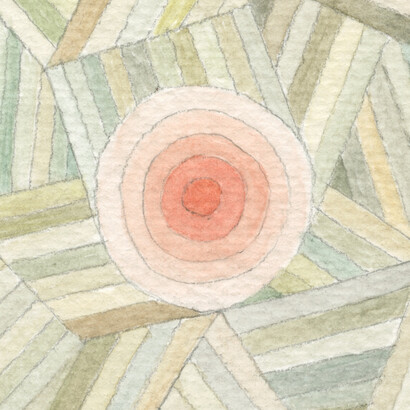
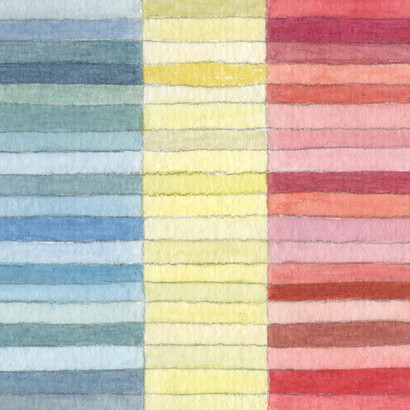
In my own practice, I have often found that canvas and paper provide a blank space where the jagged edges of my life can meet without drawing blood. Art serves as a neutral ground in a visual alchemy that attempts to derive personal atonement from collective failure. By physically and emotionally engaging with the detritus of man-made catastrophe, I seek to metabolise the misunderstanding that fuels such cycles.
Each mark of pencil or brush is a conscious effort to pull the shadow into the light – not to erase pain or suffering, but to sit with its weight. That’s a grandiose claim, but it’s a genuine attempt to author acts of creative reparation, through which the leaden heart of history transforms into something we might finally dare to integrate. When words and actions fail – and in the face of Gaza or the Holocaust, they often do – the healing, spiritual intent of art remains, offering a baseline of human imperative that transcends the limitations of political rhetoric.
A lot of the shadow self is the home of poetry, story, prayer. My deepest understandings are often released from the part of me of which I am least aware most of the time.
(Madeleine L’Engle)
How to shadowbox (gently)
So, how do we navigate the shadowlands of Leo lunar influence without biting off someone’s head or contravening social norms; inadvertently starting our own war or acrimonious divorce? I offer a Weighton endorsed guide to gently heal your inner leonine shadow boxer:
Do acknowledge your own whinges and ‘icks’: If you find yourself seething with resentment toward a colleague, peer, partner or a political figure…stop. Ask yourself: "What part of this person is actually a mirror of my own repressed roar? "Oooft.
Don't feed the trolls (inner or outer): Negativity is an ill-fitting costume. If you’re tempted to slag someone off or join a digital pile-on, take a quid/euro/dollar from your pocket and put it in your ‘Shadow Jar’. Collect honestly and relentlessly, then donate the proceeds this month to a charity that supports Holocaust education or humanitarian aid.
Do light the darkness: on January 27th, at 8:00 PM, the UK lit candles for the "National Moment."6 If you missed the event, this Leo Moon acts as an illuminating global reminder. Light a candle for the ancestors - not just the well documented saints, but the unsung international multitude who loved but nonetheless struggled and failed. You are the light that, once accepted, casts no shadow.
Don't confuse ‘ego’ with ‘heart’: Leo wants to be seen, but the healed Leo wants the truth to be seen. Let’s utilise this moon to express something authentic rather than anything that inherently seeks external validation.
We often think of healing as a private, clinical affair – something done in a quiet room with antiseptic dressings and a box of tear-absorbing tissues. But as I’ve maintained across these columns, our wellbeing is inextricably linked to the unsterile collective. To harm the ‘other’ is to harm the Self. By extension: to remember the victims of genocide is to tend to the wounds of our shared human soul.
This thing of darkness I acknowledge mine.
(The Tempest - Shakespeare)
The Leo Full Moon invites us to lead with the heart, but a heart that has looked into the abyss of suffering and decided to love anyway. It’s about the courage to be vulnerable, the strength to be kind, and the wit to rrealisethat we are all, in the end, just stardust having a human experience, doing our best and occasionally getting it very, very wrong.
So, one evening this week, turn off the news apps for a bit. Step outside. Breathe the air. Feel it expanding the lungs in your chest. Dwell on the beauty of that moment. Acknowledge the Spirit of life animating your blood, flesh and bone. Point yourself in the direction of that awesome, glowing silver orb in the sky and realize that you are the narrative it illuminates. You are the bridge that unites not divides. You are the shadow and the light. You are the healing for which our world so desperately calls.
The most intense conflicts, if overcome, leave behind a sense of security and calm that is not easily disturbed.
(Carl Jung)
References
1 Holocaust Memorial Day Trust. (2026). Bridging Generations: Theme for 2026. Holocaust Memorial Day Trust.
2 Perry, C. (n.d.). The Jungian shadow. The Society of Analytical Psychology.
3 Wikipedia. (n.d.). Carl Jung. In Wikipedia, The Free Encyclopedia.
4 Garoutte-Mohammed, G. (2024, December 23). What is shadow work Definition and prompts to get started. BetterUp.
5 Wikipedia. (n.d.). The Holocaust. In Wikipedia, The Free Encyclopedia.
6 Wikipedia. (n.d.). Nakba. In Wikipedia, The Free Encyclopedia.
7 Sinclair, A. (2026, January 28). Six candles light up Piccadilly Circus as UK marks Holocaust Memorial Day. Jewish News.