English
 Español
 Français
 Deutsch
 Italiano
 Português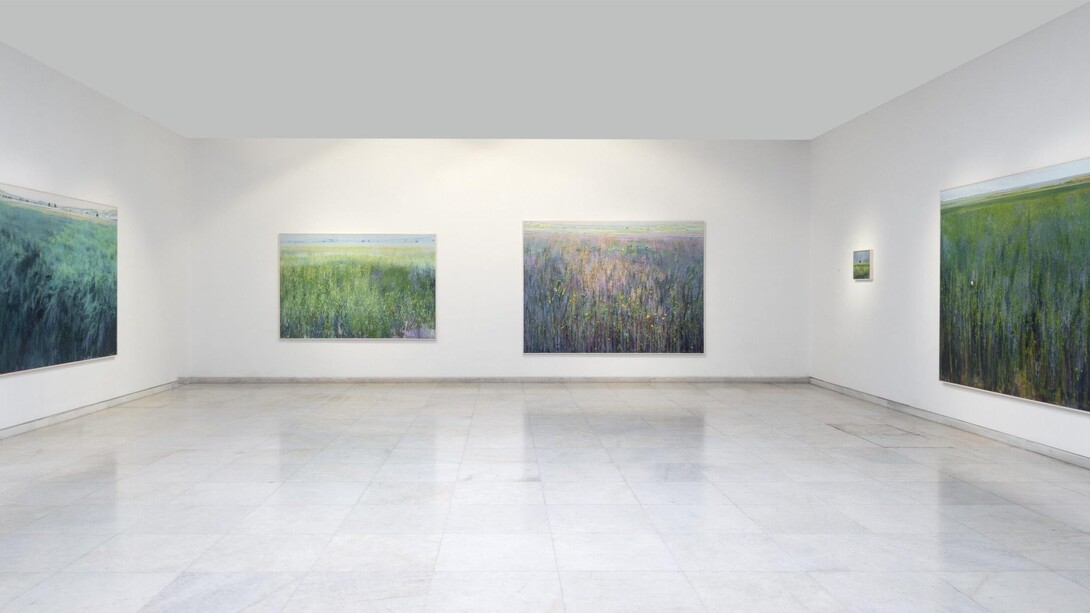
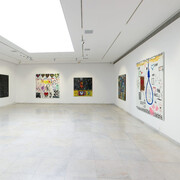
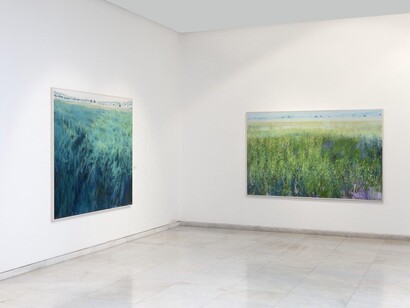
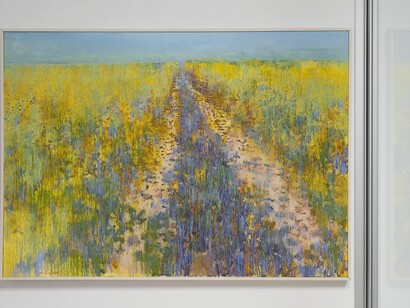
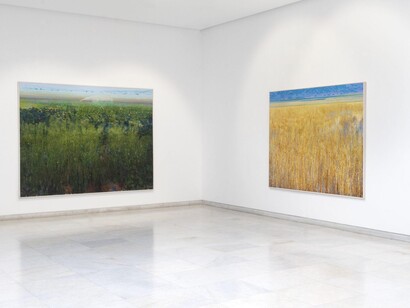
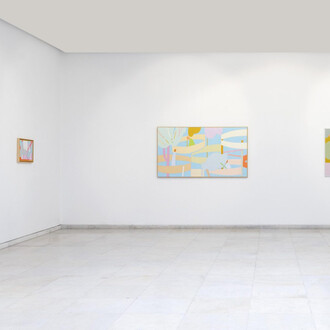
Zoumboulakis Galleries invite you, on the 20th anniversary of their collaboration with Miltos Golemas to his new solo exhibition titled Plateau, opening on Thursday, January 22, 2026. Golemas will present landscapes, mostly works of large dimensions, oil on canvases, inspired by his homeland.
In the catalogue text, Christoforos Marinos, Art historian and curator writes: “The Plateau is a self-portrait; the portrait of a restless, talented, and mature artist. It is a work that is deeply personal and not at all descriptive. Golemas emphatically declares that this is the first time when he feels that “the work is me”, that what he paints is entirely his own. […]
Indeed, taking a closer look at Golemas’ landscapes, you begin to recognise the similarities to a musical composition, whether it’s chamber music, a symphonic poem, or a song by Pink Floyd. You recognise the passion, the tragedy, the emotional upheavals, the inner peace, the tranquilly, the balance, and the hidden harmony. You feel the painter’s anxiety and his innate enthusiasm. These are landscapes to sit and meditate before. They are works-existences that impose their presence in a space—attractive works you would want to live with. With the Plateau series-exhibition, Golemas has conquered a peak. Seeking the union between the worldly and the celestial, these works succeed in raising the bar, not only for himself but for Greek painting at large”.
And Krystalli Glyniadakis, poet and translator: “I look at Miltos’ paintings and they sooth my gaze and lull my soul. I am home, in an eternal and multi-coloured childhood steeped in a nature that’s gentle, where everything is well made.
Even the storms feel familiar here, manageable, seen through the eyes of a child who looks out of some kind of shelter. The scorch of the yellow summer, the greens of autumn and winter, the blossoming of spring: an ideal state of innocence.
And if I once, naively, saw in Miltos’ depictions of rusty ruins and amber fields a faint echo of the dark meadows and moth-eaten debris of Anselm Kiefer, who captures on canvas the world’s traumas, I now think only of Monet and his water lilies — not for their lack of focus or perspective, of course, but for their free, fluid brushstrokes articulating fleeting impressions, depicting not an image, but the entrancing sensation of pure experience”.