English
 Español
 Français
 Deutsch
 Italiano
 Português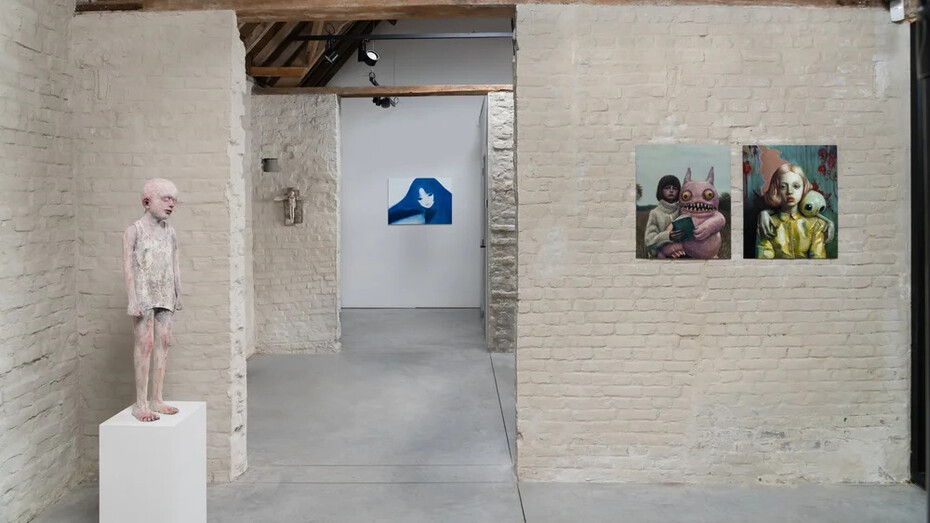
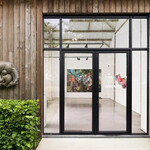
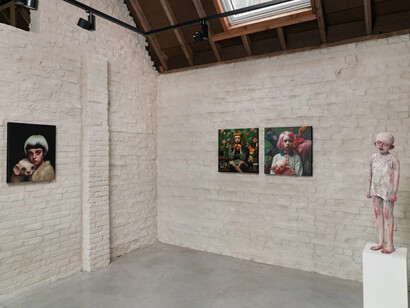
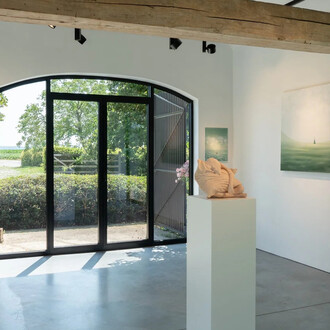
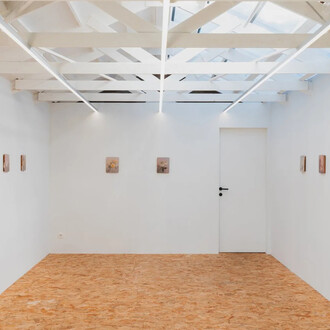
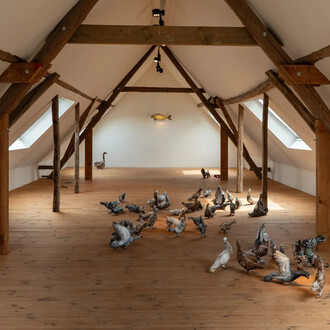
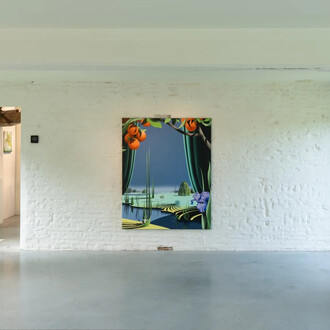
Silent witness brings together a group of artists who approach the ruin as a silent bearer of meaning — not only as something that has been lost, but as something that continues to speak. The exhibition explores various forms of decay — material, psychological, and mental — and invites reflection on the human condition and the inner landscape of the viewer.
The ruin of the house forms a first point of entry. In the works of Pim Palsgraaf and Heidi Leman, abandoned rooms, weathered materials, and damaged structures appear as traces of human vulnerability. Their work reveals how shelter is temporary, and how time, nature, and violence slowly dismantle human constructions. What once offered protection remains present as a silent witness to transience.
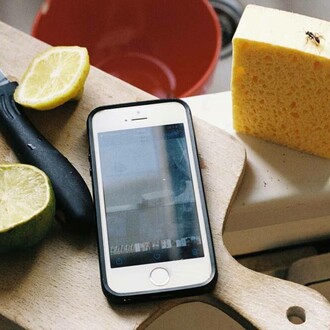
The work of Bis Vika also engages with this theme on a symbolic level. Rather than focusing on the physical decay of the house, it addresses the bourgeois home from within: a mental and social space in which intimacy, safety, and order lose their self-evidence and come under strain.
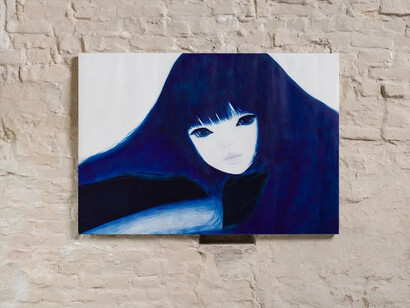
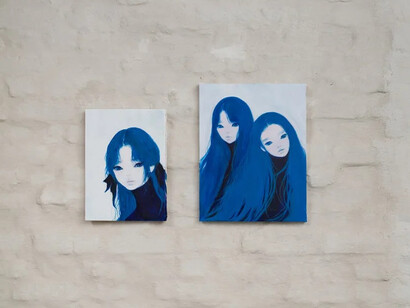
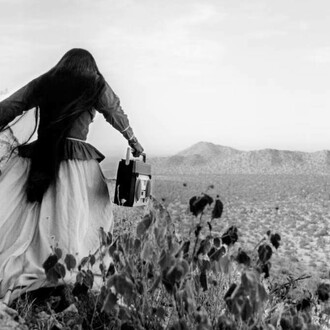
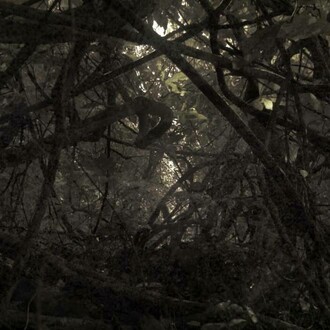
The exhibition further turns to the ruins of the human psyche. Dark zones of fear, trauma, and death emerge in the works of Sofia Ruiz, Marc Janssens, Ai Natori, Natia Sapanadze, Guillermo Lorca, and José Luis Carranza. Their work gives form to inner fractures and the subconscious, showing how traumas and desires embed themselves in the body and the imagination — not as a closed past, but as something that continues to resonate.
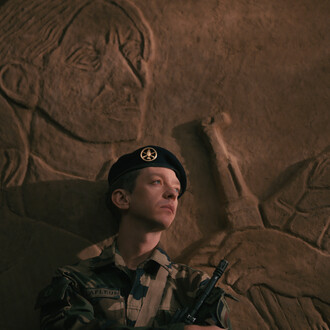
The ruin of memory also plays a central role. Milan Jespers, Andreas Senoner, and Cliff Warner explore how time and memory are constructed in fragments. In their work, memory appears as an unstable archive, composed of layers, gaps, and shifts, in which past and present are in constant dialogue.
Together, these works create a quiet space in which ruins do not mark an end, but rather a point of departure for reflection. Silent Witness invites contemplation on what crumbles, what remains, and how these traces continue to shape our view of ourselves and the world.