English
 Español
 Français
 Deutsch
 Italiano
 Português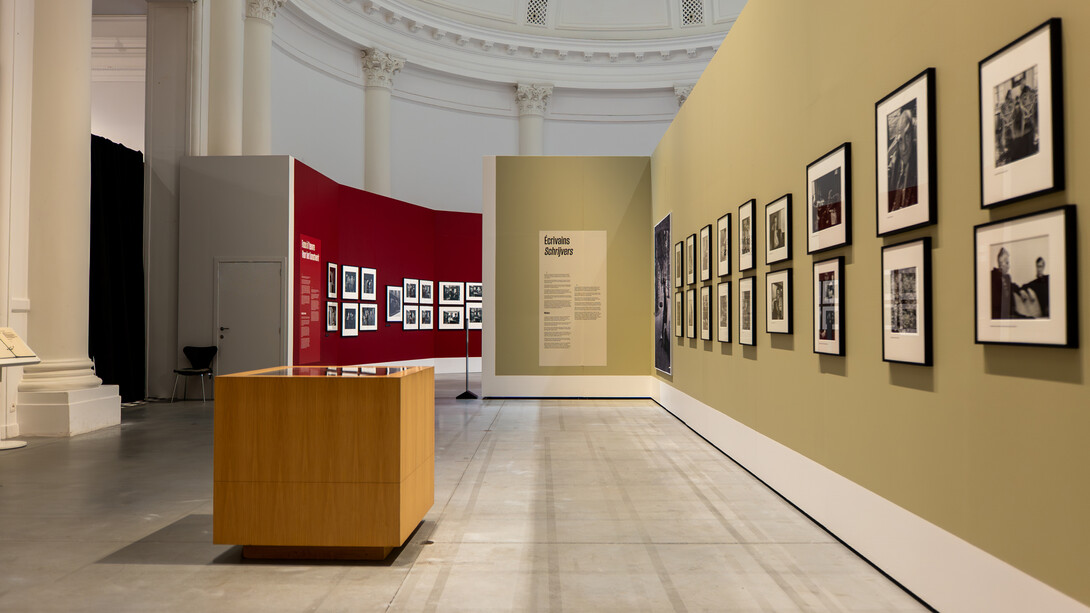
A hundredth of a second here, a hundredth of a second there, put together, they make one, two, three seconds snatched from eternity...
To observe life with the patience of a fisherman. To always leave the door open to the unexpected. To stop when told to move on, even when there’s nothing to see. To look at the powerful and the downtrodden with equal interest. Not to turn the lens away from misfortune, deprivation, or the worst, but to maintain a compassionate, supportive gaze, knowing how to read the courage, dignity, and sometimes grace in every person. To accumulate moments of encounter, of sharing, to provoke a smile, a laugh, sometimes, which consoles everything. It is with these thoughts in mind—leading the way for one of the most famous photographers of the last century, often oversimplified—that we have created this exhibition.
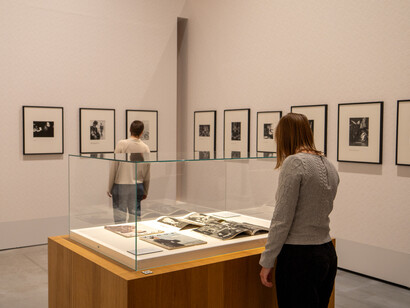
We selected around 400 photographs from a collection that holds over 450,000.
This is a vast project aimed at sharing with you a philosophy of life, choices of behaviour, the freedom of a gaze, more than an accumulation of anecdotes.
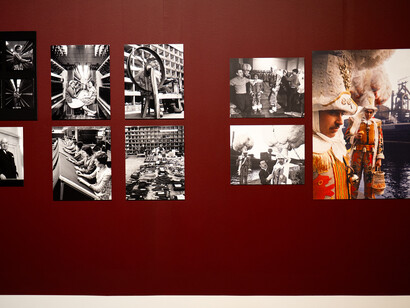
From childhood in the 1930s to the 1950s, which marks the beginning of this photographic journey with Robert Doisneau, we invite you to follow him to the key places that shaped his life as a photographer. From painters in their studios to writers who were often his accomplices, from the suburbs where his youth was steeped in dullness—later transformed in the 1980s into a place of solitude repainted in the false colours of hope—to the factory floors of Renault, where in 1934 he discovered political awareness among the “shirt-washers,” whose struggles he followed with brotherly gravity.
A brief detour takes us through the world of luxury, fashion, and high society during his Vogue years, before returning to his personal studio, where he tirelessly created ingenious “photographic bricolages,” refusing to indulge in commercial or advertising commissions that never entertained him— reminding him that life is, ultimately, material. From profession to artistry, as art historian Jean-François Chevrier would later observe…
We offer to tell you the story of a modest life made fascinating by the omnipresence of the camera he never parted from. A camera that allowed him to open all doors and have the freedom to tell his own version of reality, tinged with fiction.