English
 Español
 Français
 Deutsch
 Italiano
 Português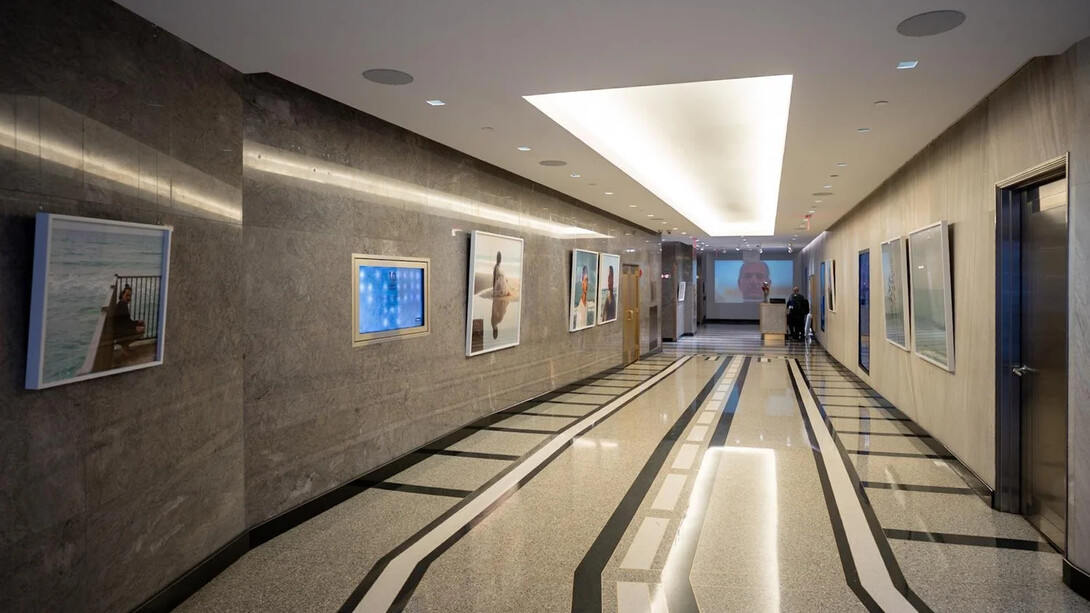
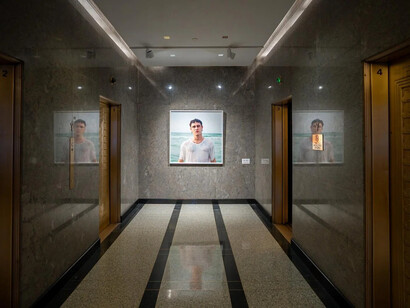
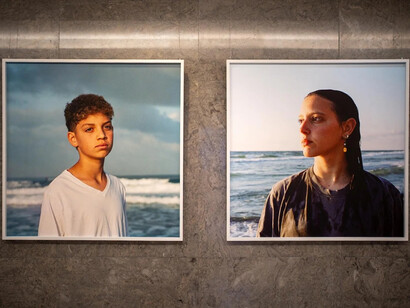
Facing the sea is Daniel Tchetchik’s newest body of work, created in collaboration with the Israeli organization HaGal Sheli (My Wave). The exhibition features portraits of individuals directly affected by October 7, each photographed against the infinite horizon of the sea. Through these intimate encounters, Tchetchik invites viewers to journey from the changing shoreline to the fragile interior landscape of the human spirit. Together, these portraits form a collective image of endurance—a quiet island of strength where the human spirit confronts the tide and the sea becomes a space for reflection, survival, and rebirth.
For more than two decades, the sea has been a central motif in Tchetchik’s practice, serving as a metaphor for both external natural forces and inner human emotion. Its ever-changing nature—wild or calm, peaceful or perilous—reflects the volatility and vulnerability of the human psyche.
This body of work extends far beyond the documentation of current crises, delving into realms of metaphorical and poetic representation. In doing so, he invites viewers to confront the forces—both seen and unseen—that shape our shared existence.
In Facing the sea, the sea serves as both the starting point and the end, a threshold between despair and possibility. It is both a site of crisis and a space of existential reflection. It is where beauty and destruction coexist. It embodies loss, memory, longing, resilience, and above all, it is a place of hope—open, boundless, and alive with the possibility of renewal.
All photographed individuals are participants in My Wave’s programs, which integrate surfing as a therapeutic and educational tool for trauma survivors’ recovery. Since October 7, the organization has played a crucial role in supporting those who were affected by the war.
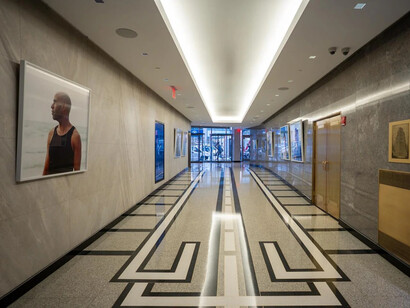
The exhibition displays these portraits throughout the room to create an intimate, face-to-face encounter between the individual photographed and the viewer. The individuals in the photographs are not merely objects to be observed, but powerful presences that return the viewer’s gaze. Each portrait tells a unique story, inviting different forms of connection. The sea serves as the meeting point—both literal and symbolic—a mirror reflecting our deepest fears and hopes. In this space, a silent dialogue unfolds between subject and viewer, an intimate exchange marked by despair, healing, compassion, and the shared human experience.
The title, Facing the Sea, captures both the literal act of turning toward the sea and the metaphorical gesture of confronting one’s inner storms. In doing so, it reminds us that even in times of turmoil, the horizon remains open—alive with the possibility of renewal.