English
 Español
 Français
 Deutsch
 Italiano
 Português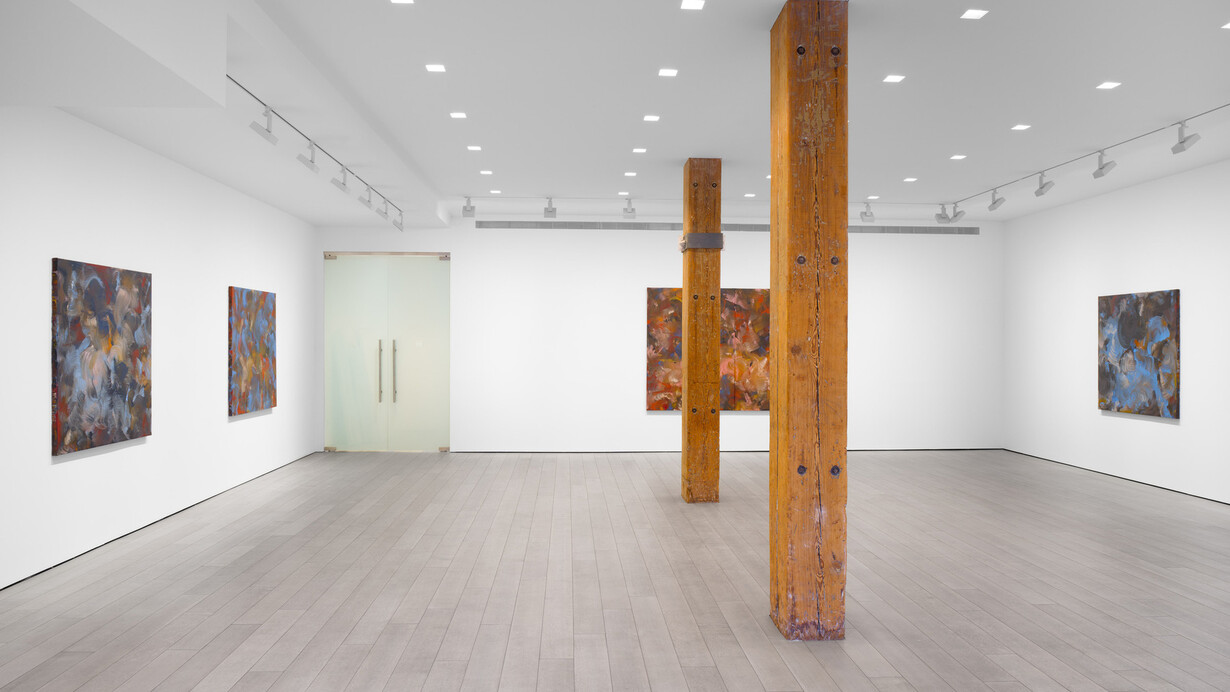
Miles McEnery Gallery is pleased to announce new works by Erin Lawlor in her third solo exhibition with the gallery. On view 8 January through 14 February 2026 at 525 West 22nd Street, the exhibition is accompanied by a fully illustrated publication featuring an essay by Emily Steer.
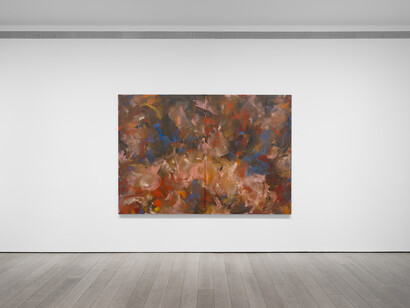
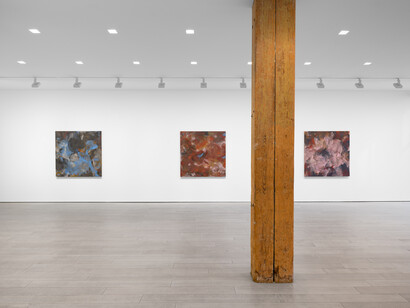
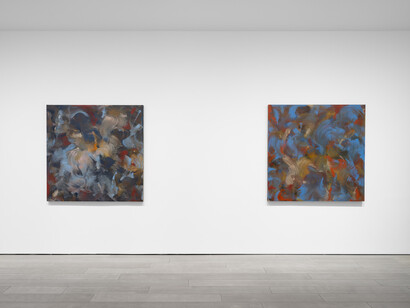
Erin Lawlor’s bold new body of work continues her long-standing exploration of abstraction as a site where art-historical, cultural, and mythological narratives intertwine. These new paintings surge with swirling, sumptuous strokes—brushwork that channels the chromatic depth of Old Master landscapes while pushing into a realm entirely her own. Hints of rarefied pinks and blues emerge from rich, autumnal grounds, as though the palette of a 17th-century portrait had been lifted, loosened, and reconstituted through a contemporary hand. Lawlor’s embrace of increased scale, velocity, and exuberance marks a shift toward a more assertive yet still playful visual language. Her work draws inspiration from painterly traditions that span from Titian and Peter Paul Rubens to modern figures such as Frank Auerbach and David Hockney, abstracting and dramatizing the romantic and decadent qualities embedded in the history of painting.
Leaning, reaching, and circling the surfaces like a choreographer mapping a stage, Lawlor paints rapidly in wet oil over horizontal canvases, steadily building each composition through sweeping gestures. The paintings carry this urgency: marks that are both bound by the reach of the body and propelled by its momentum, creating an open, immediate field of expression that underscores the directness of her engagement with paint.
What emerges is a series of works that feel palpably alive. As Emily Steer writes in the accompanying publication, Lawlor “paints from the inside out,” allowing the image to unfold intuitively rather than imposing a fixed structure. Her brushstrokes oscillate between measured control and explosive release, while her color palette—romantic, lyrical, and eerily familiar—reveals the depth and drama possible within a tightly held set of hues. Steer notes that Lawlor’s paintings “unfurl the history of the medium’s roots, revel in its emotional capacity, and build vast universes into which her viewers can freely tumble.” Through their vitality and depth, the works affirm painting as a site of continual reinvention—rooted in history while cajoled by the contemporary conscience.