English
 Español
 Français
 Deutsch
 Italiano
 Português
My humble hope is that we will begin to make real improvements in America in 2026. Several key steps are outlined below. They are blowing in the wind.
Tax the super-rich like the rest of us
According to a recent paper1 published by the National Bureau of Economic Research, whose innovative methods have won recognition, the total effective tax rates for the 400 wealthiest Americans have declined sharply in recent years. They now pay a smaller percentage, 24% of their true income in taxes, than the average American, who pays 30%. The new study combines data on corporate earnings, private wealth, and individual tax payments, confirming that the country's tax code is regressive, not progressive, at the very top.
These loopholes in the tax code need to be closed, or a tax on the super-rich added, so that taxation is again progressive, based on the ability to pay. It would add more federal resources for many needed programs.
Love and respect fellow Americans
Left unchecked, we Americans could slip into a second civil war. This would sicken us against ourselves and lead to self-destruction. Trump and the political parties need to lower their tone and be Christian, as many profess to be.
The Bible states the second commandment is this: “You shall love your neighbor as yourself.” There is no other commandment greater than these.
This implies, for example, more bipartisan efforts such as the proposed “Housing for the 21st Century Act,” similar to the ROAD to Housing Act that passed in the Senate2. They are designed to update legacy federal housing and community development programs that have not kept pace with current market conditions. By removing duplicative or outdated requirements, the legislation aims to reduce the time and cost of building new homes while maintaining consumer protections and fair housing standards.
It is often easier to practice bipartisan and collaborative efforts at a local level. We can make neighborhood and urban improvements, such as creating more green spaces, better traffic regulations, and initiatives to bring high-speed internet to underserved areas. Local issues often transcend national political divides, creating shared incentives to solve problems like potholes, clean water, or job growth. Observe city council or county board meetings for nonpartisan discussions on local projects.
Cherish nature and our planet
We all believe our scientists when it comes to the technological change upon which we have based our very progress. However, when the topic concerns climate change, many disbelieve our scientists and ignore the forest fires, droughts, high temperatures, and flooding.
The political influence of Big Oil and Gas endures and influences many political elections, but it is a second-class policy. It puts us economically behind China (and others) and is very detrimental to our health. Globally, the continued use of fossil fuels produces pollution that kills four million people annually, in addition to all the costs and deaths due to climate warming. Last year alone, the U.S. was slammed with 27 climate disasters—hurricanes, severe storms, winter storms, tornado outbreaks, flooding, wildfires, and heat waves—each causing at least $1 billion in damages. That’s a billion-dollar disaster every other week on average. The biggest killer remains fossil fuel pollution, causing 90,000 premature deaths annually in the US.
Yet most of us cherish our experiences of a pristine nature. Green spaces and parks give us significant health benefits3 and a sense of well-being. We have all experienced this! Therefore, we must begin to suspect any action that deteriorates our quality of nature.
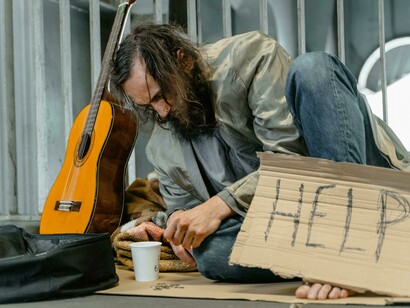
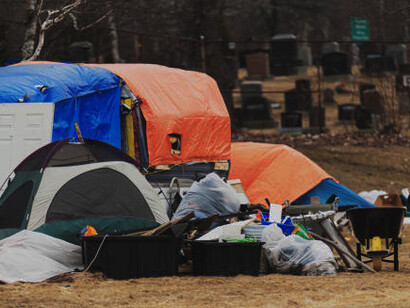
Help the households in the lower 20 percent income bracket
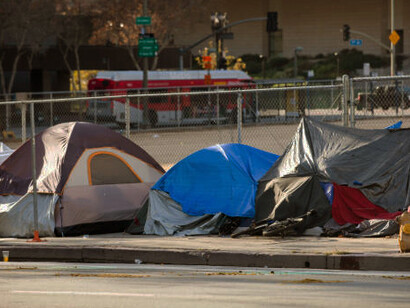
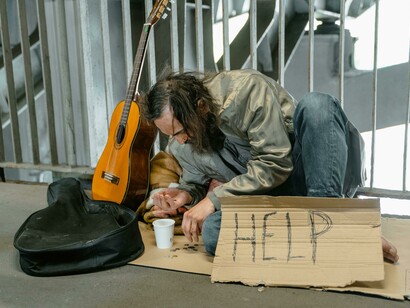
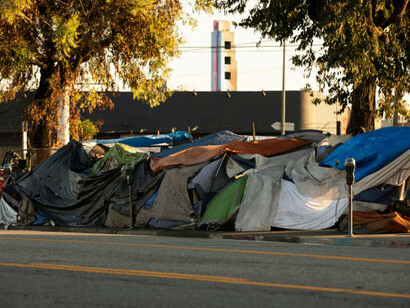
These issues are interrelated, and our society is beginning to strain with such an unequal distribution of income and well-being. Let us be honest, the lowest 20% of household income earners live shitty lives. The latest data4 show they have only 3.1 percent of the total income, whereas the top quintile enjoys 52.2 percent. Many must hold two jobs and yet barely get by, with high health and educational costs. The 90 million people who have been left behind in education, dropping out of high school or only obtaining a high school diploma, have an average life expectancy six years less than the college-educated population. We cannot have a stable society with such an extreme distribution of income. This tendency increases the probability of civil disobedience.
Now consider the situation where a potential top income earner is born into a lower income class. He/she would likely have a more difficult family life, lower household income, more health problems, lower probability of higher education, hold multiple jobs to make ends meet, and, most importantly, have fewer useful connections for economic initiatives. Keeping a significant portion of our population in such dire conditions hurts us as a nation.
Americans can love their neighbors; the wealthy can afford to be more generous; low-income families need not live in such despair; and our grandchildren can have a decent planet, or not? What do you think?
References
1 The Ultra-Rich Have Lower Tax Rates.
2 Landmark Housing Legislation Passes in Senate.
3 Annotated Literature Review: Health Benefits of Urban Greenspace.
4 Shares of aggregated household income in the United States from 1970 to 2024, by income quintile.