English
 Español
 Français
 Deutsch
 Italiano
 Português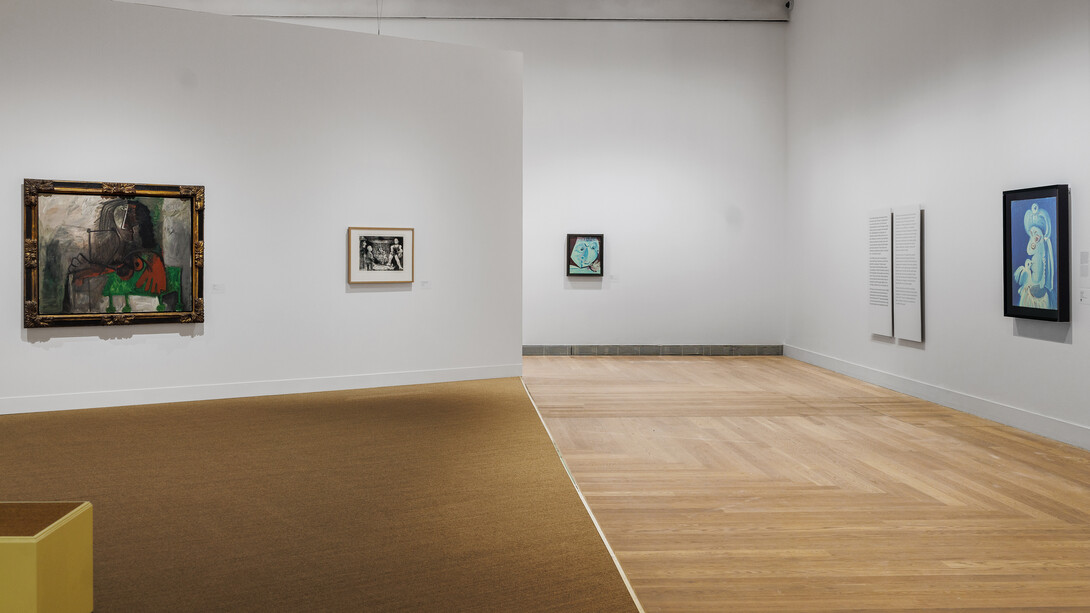
The latter part of Pablo Picasso’s career burns with restless intensity. The exhibition Late Picasso presents around fifty works created between 1963 and 1972 – works once overlooked but now recognized as a powerful premonition of future artistic expression.
By the 1960s, Pablo Picasso (1881–1973) had outlived most of his contemporaries and withdrawn from public life to devote himself entirely to his studio. Working with tireless energy, he often completed several canvases a day, revisiting themes from his past and from the broader European painting tradition. During these years, his art became less about breaking boundaries and more about deep, persistent exploration.
Initially overlooked, Picasso’s late works gained new renewed significance in the 1980s. As painting re-emerged as a dominant medium, a younger generation of artists found inspiration in the expressive freedom of his final decade. Today, they are recognized not only as ground-breaking, but also as a powerful premonition of the artistic expression of later generations.
Picasso’s late works are less concerned with resolution and more with urgency. They are marked by a self-aware theatricality, an embrace of fiction, and a refusal to be polished or conclusive.
(Jo Widoff, curator)
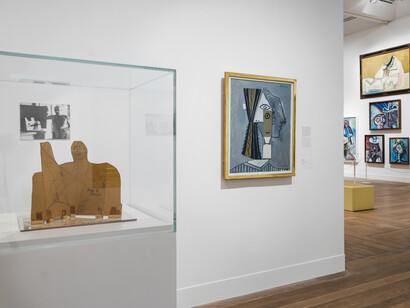
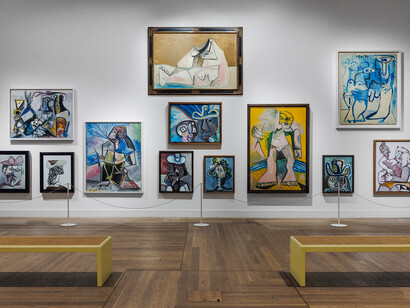
Late Picasso is the first major presentation of Pablo Picasso at Moderna Museet in more than thirty years. Here, the artist appears in his last years – from 1963 until his death in 1973. During these years, Picasso’s style became increasingly expressive and uncompromising. His late works combined two distinct ways of painting: one quick and simplified, made up of abbreviations and codified signs; the other bold and expressive, with thick, flowing paint hastily applied.
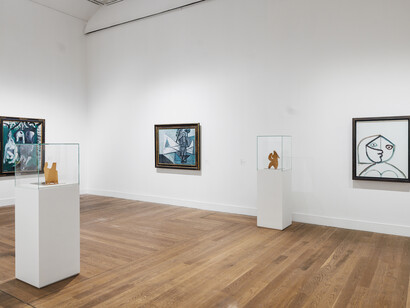
The exhibition brings together approximately fifty paintings and thirty works on paper. Alongside loans from other collections, the exhibition also features paintings and prints from Moderna Museet’s own holdings.