English
 Español
 Français
 Deutsch
 Italiano
 Português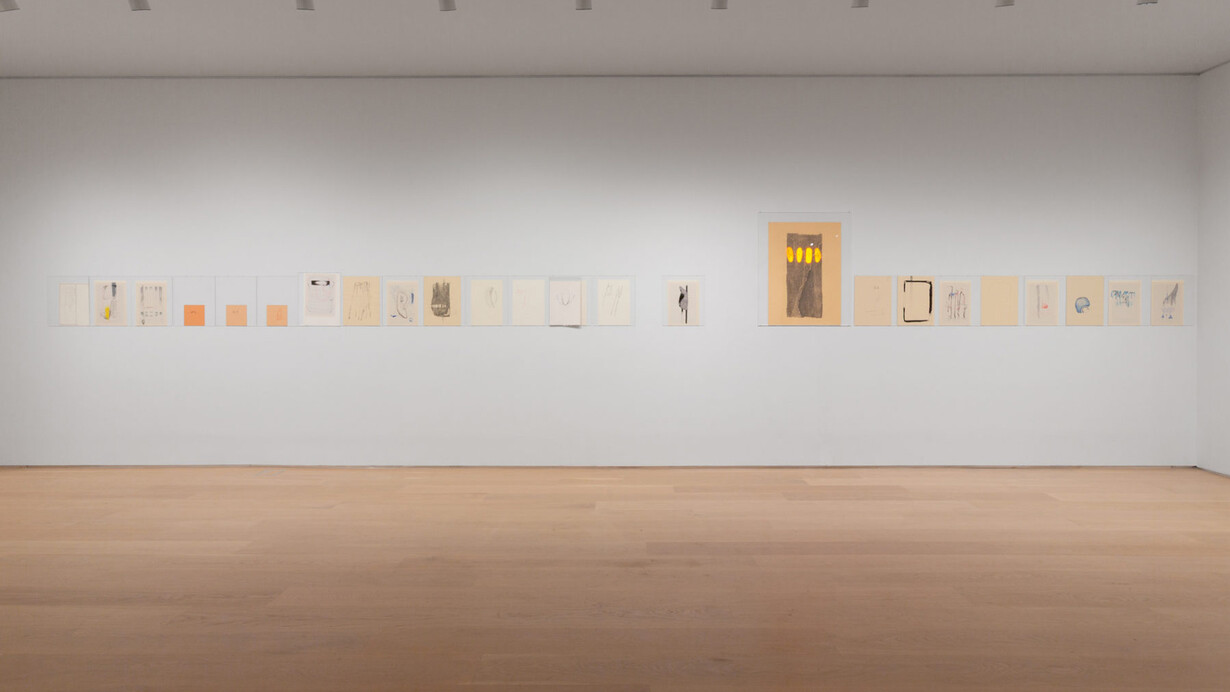
The unspeakable.
In the dao, The spirit of the valley never dies.
This is called the mysterious female.
The gateway of the mysterious female
Is called the root of heaven and earth.
Dimly visible, it seems as if it were there,
Yet use will never drain it.1
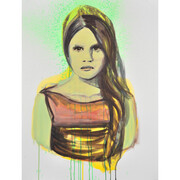
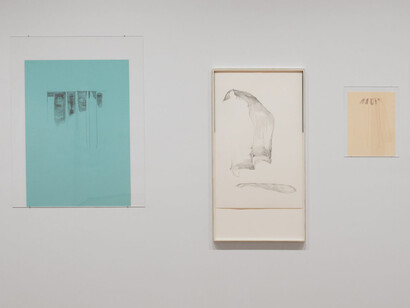
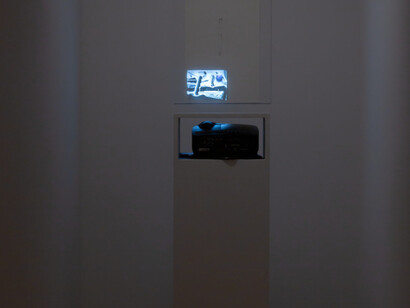
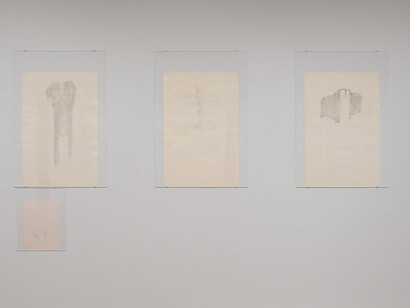
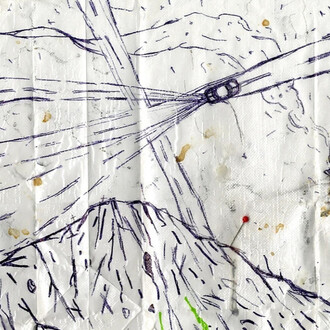
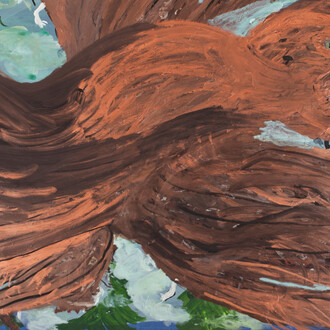
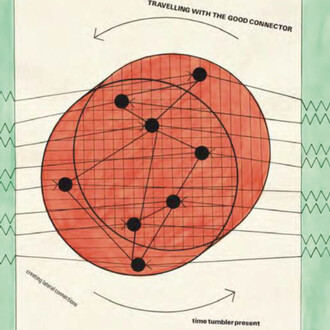
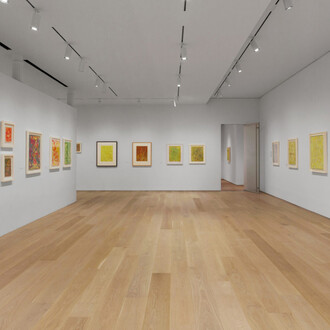
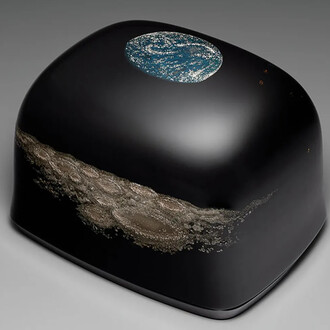
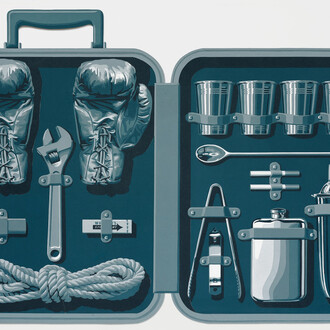
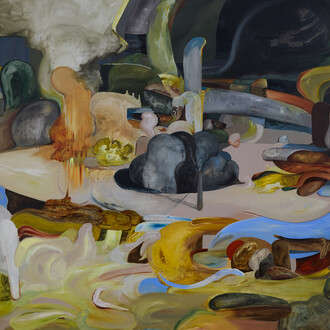
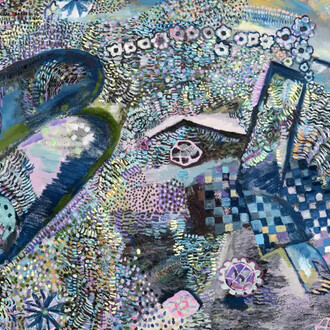
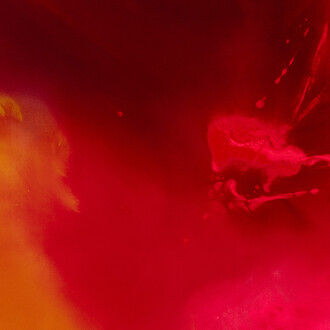
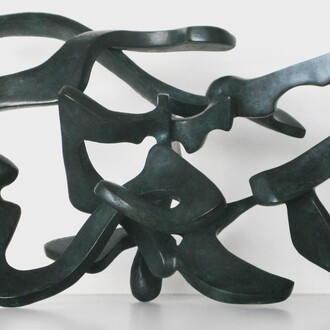
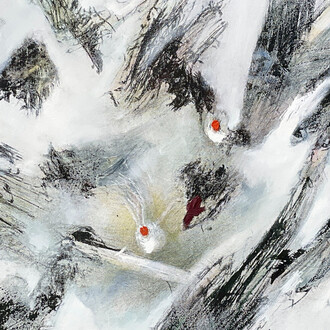
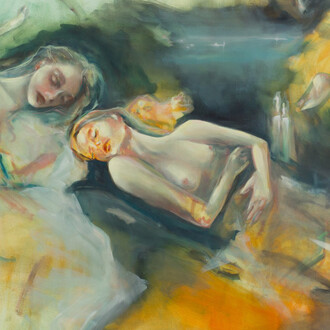
The artist Trisha Donnelly (b. 1974) has been making drawings for the past twenty-five years. She was born in San Francisco and lives and works in New York, San Francisco, and Düsseldorf. Donnelly works with various media including photography, drawing, audio, video, sculpture and performance This exhibition is the first to concentrate solely on her works on paper. Trisha Donnelly is represented by Galerie Buchholz, Matthew Marks Gallery, and Galerie Eva Presenhuber.
Donnelly has been on the faculty at New York University's Steinhardt School of Culture, Education, and Human Development since 2008. She is a Clinical Associate Professor of Studio Art.
In 2012, Donnelly was the tenth artist to curate Artist's Choice, an exhibition curated by artists of artworks from the permanent collection of the Museum of Modern Art. In the exhibition, "she was after 'striking voices'" she couldn't let go of, "paths of encounters and building poetic structures... images that go beyond images themselves." The exhibition included works by artists such as Eliot Porter, Joe Goode, Gertrude Kasebier, Wendy Carlos, and John Whitney. The audio guide provided for the show was art historian Robert Rosenblum discussing MoMA's 1989 Picasso retrospective. Donnelly explained, "The feeling when listening to these audio guides was, this was a great work of art... or work of whatever, work of another entity, or another state and dimension, existing... [They] are so beautiful... It's like the Taj Mahal of languages, building it himself. By the end, I don't need the exhibition at all. I'm awash in this ocean of his funny, brilliant voice."
(Trisha Donnelly is organized by Olivia Shao, Burger Collection and TOY Meets Art Curator)
Notes
1 Lao Tzu, Tao Te Ching, trans. D.C Lau (The Chinese University of Hong Kong Press, 2001), Chapter 6.