English
 Español
 Français
 Deutsch
 Italiano
 Português
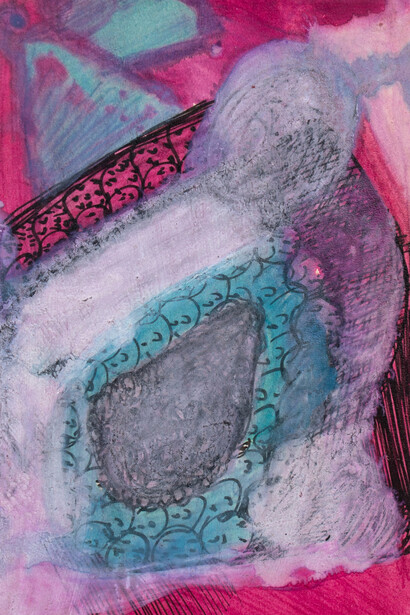
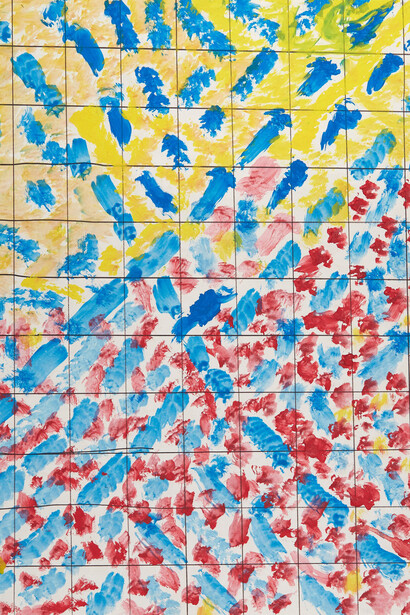
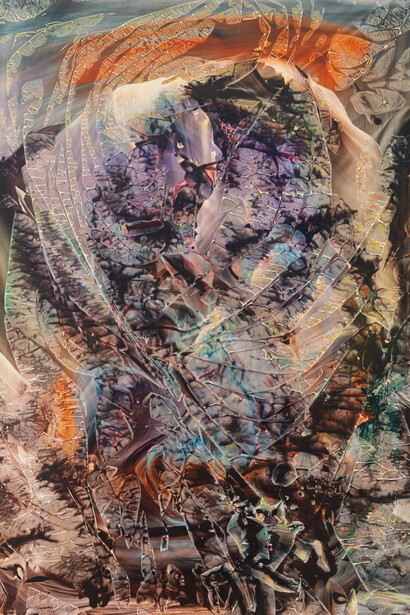
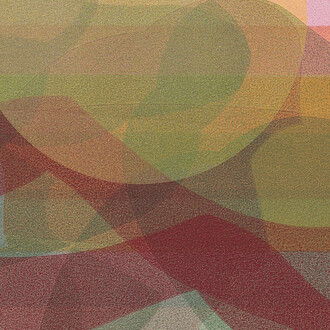
Abstract art made by self-taught artists is the result of sheer invention. Unlike the canonical artists of the early twentieth century, who explored abstraction as an expression of rebellion against traditional modes of representation, self-taught artists often work without any awareness of art history or what came before them. In this sense, there is nothing to mimic, adulate, or reject; abstraction emerges as a primary visual language.
The sheer range of nonrepresentational practices by these artists is compelling. Limited access to traditional art supplies leads some towards the use of found materials and unconventional supports. In their hands, tree branches, old stop signs, worn clothing, and bones are stripped of their original meaning and reconfigured into highly personal abstract cosmologies.
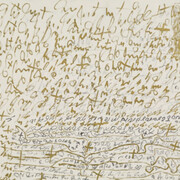
For others, obsessively repeating gestures and markings on paper or canvas yield symbolic forms and images that poetically translate complex emotional and physical states related to trauma, devotion, and healing.
Working non-objectively, solely through intuition and the compulsion to create, provides a unique testament to artistic ingenuity and often highlights remarkable displays of radical innovation.