English
 Español
 Français
 Deutsch
 Italiano
 Português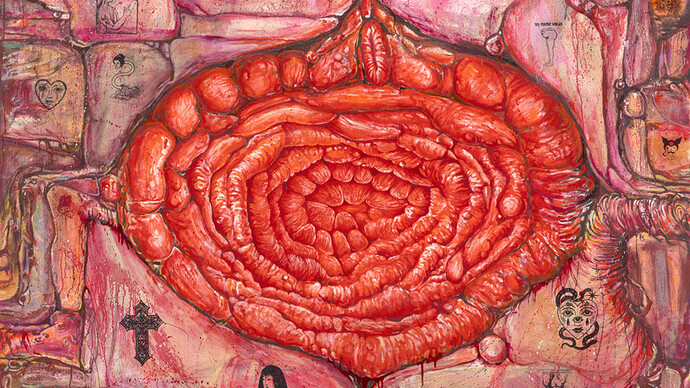
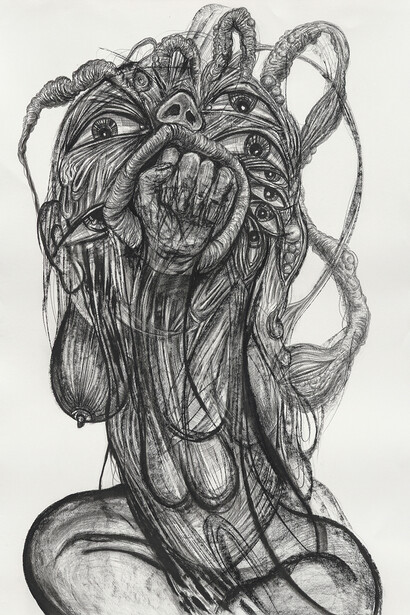
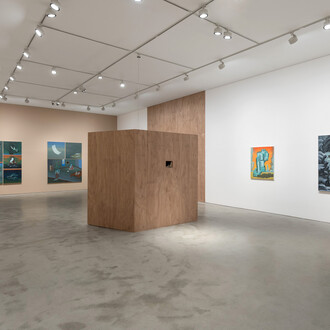
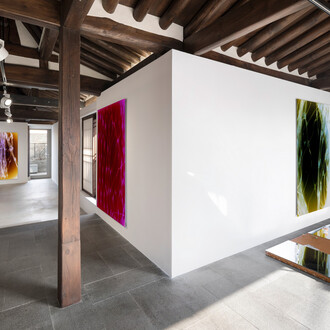
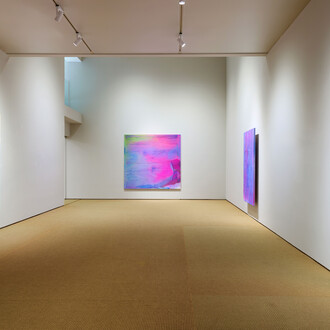
Kukje Gallery is pleased to present Jang Pa’s solo exhibition Gore deco, on view in the gallery’s K1 and K2 spaces from December 9, 2025, through February 15, 2026. Jang Pa’s paintings challenge fixed notions of "painting" and "beauty," visually exploring grotesque aspects of femininity and sensibilities of historically marginalized groups. Her work powerfully contests the male-dominated visual vocabularies of art and expands feminist subjectivity within the realm of painting, reconfiguring the female body and its sensations as autonomous forms rather than as “objects.” Marking her inaugural exhibition with Kukje Gallery, Jang Pa presents approximately 45 works, including the painting series Gore Deco, which gives the show its title, alongside drawings, etchings, and a silkscreened mural. Jang Pa’s new works continue to recontextualize traditional representations of women, employing humor and subversive critiques to overturn the male gaze and disrupt the persistent sexualization of the female body.
This exhibition critically examines the ways in which certain bodies and identities are subject to structural violence in contemporary society, focusing on the aesthetic hierarchies that underlie the notion of “decoration.” “Gore” in the exhibition title represents physical and metaphorical violence against the bodies of marginalized subjects, including women, queer, and other minorities. “Deco,” on the other hand, refers to the aesthetics and the social order implicated in the notion of decoration, which is often dismissed as trivial or subordinate. By juxtaposing these two distinct aesthetic sentiments, the exhibition visually explores the tensions and fissures that surround the dichotomies of body and decoration, the sublime and the disgust, and hierarchy and appreciation. Rather than leaving viewers with a negative or cynical stance toward the painting tradition, her works guide them to comprehend the limitations of established orders, while witnessing the expanded boundaries of pictorial expression and the possibilities of a new aesthetic.
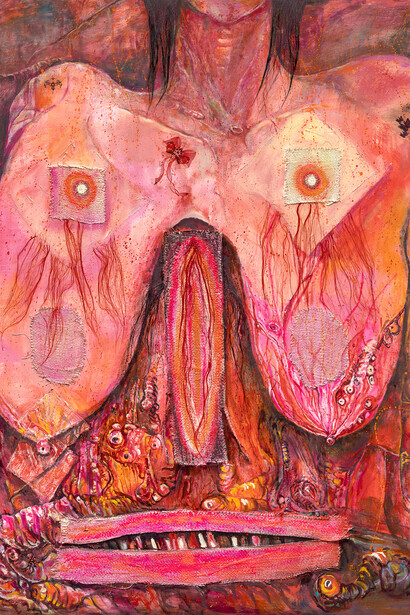
This intersection of “Gore” and “Deco” is found throughout Jang Pa’s works in the K1 and K2 spaces. In the rear room of K1, triangular and cross-shaped canvases draw attention, bearing symbolic significance. The triangle, which symbolizes rationality in the history of art with its association with the Holy Trinity and linear perspective, is inverted, while the cross, traditionally a symbol of the spiritual realm, is filled with images of intestines and thereby “feminized” by the artist. The exhibition space itself is thus arranged to evoke a sanctuary filled with intestines, conceptually overturning the established orders. The narrow silkscreened mural, reminiscent of a classical architectural frieze, condenses the artist’s critical perspective on the history of female representation. Within the decorative format, the artist collects and aligns visual references of female bodies and identities subjected to social violence. Similar images appear intermittently throughout the paintings in the exhibition, as if they are inscribed onto the surface of internal organs. In this way, the decorative elements—drawn from the visual language of tattoos—incarnate the paint, turning it from painterly material into visceral bodily material.
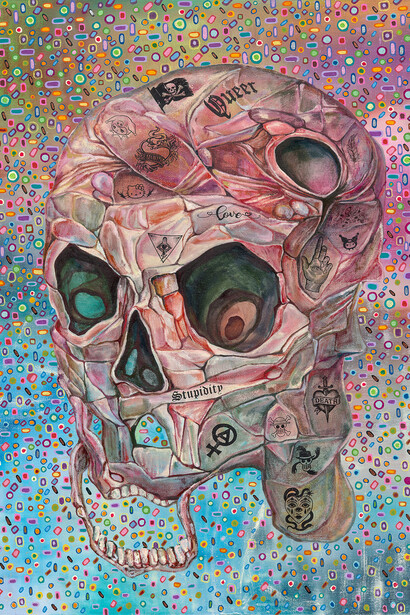
On the second floor of K1, Jang Pa continues to redefine the role of the decorative through the uncanny clash between the grotesque skull and the bright, decorative colors. By accentuating the background’s chromatic vibrancy rather than the skull in the center of the canvas, the artist counters the traditional hierarchical relationship between figure and ground. In addition, by boldly incorporating non-traditional and abject materials such as ornaments, metal hardware, hair, gauze, and stickers as decorations, she disrupts the ideal of color as conceptual and destabilizes the hierarchy between concept and material while also challenging the conventional aesthetic order. These strategies replace the repressed scars with decorations, recover physical sensations, and transform the representation of pain into an experience of enjoyment.
The works on display in the K2 space reflect the artist’s interest in the various representational registers of the female body. She projects a range of sources including historical representation of women, images of contemporary misogyny on the internet, and verses from Emily Dickinson’s (1830–1886) poems onto canvas using silkscreen method, and juxtaposes them with the images of fragmented body, intestines, and “holes”―such as eyes, lips and other organs. Likewise, the artist’s strategy of actively embracing the hybridity between painterly purity and decorativeness evokes a sense of cynical play and creates a critical layer by temporarily collapsing the visual hierarchy and order. Here, the “body” is not simply a vehicle of pain, but is reconfigured as a subject that performs sensory subversion upon its traces. The wound depicted in the painting demands one’s gaze, and the fragmented body is comically hyperbolized, while pain is subverted into a form of mockery and play rather than being captured as passionate sincerity. Rather than a simple emotional comfort or humor, this laughter operates
as a means for disrupting the institutionalized aesthetic sensibilities and ethical judgment.
Gore deco seeks to recover the perspective elided by the traditional hierarchies inherent in the medium of painting. By bringing forward subordinated subjects and adopting new visual strategies, the exhibition expands the diversity and fluidity of contemporary pictorial language. This is an attempt to at once explore the possibilities of painting through alienated physical experiences and the historically marginalized idioms of decoration, as well as to reconfigure the boundaries of the medium. While the artist’s incorporation of art history, history of visual culture, and bodily materials associated with women may seem to convey resistance laced with improvisational humor and sarcasm, this ultimately attests to the artist’s powerful gaze and sincerity towards painting.