English
 Español
 Français
 Deutsch
 Italiano
 Português
Cities have always communicated through more than words. Long before the rise of GPS or standardized street signs, people navigated using towers, rivers, domes, gates, and landmarks carved into the urban landscape. Today, this ancient instinct remains, but it has taken on a contemporary form: cultural wayfinding. Increasingly, cities are using art—murals, sculptures, typography, color systems, and spatial storytelling—to help residents and visitors move easily through public spaces. This merging of art and navigation is more than decoration; it’s a strategic design practice that shapes how people understand place, memory, and identity. It transforms built environments into intuitive, expressive systems that help people understand and connect with the places they move through.
Cultural wayfinding sits at the intersection of urban design, psychology, and public art. Traditional wayfinding focuses on functional clarity with the help of signs, arrows, maps, and information boards. Cultural wayfinding elevates that function by embedding cultural cues directly into the environment. The result is a city that literally speaks its identity through its visual language. Whether it appears in the form of a painted staircase signaling an upcoming arts district or a sculpture marking the threshold of a market, cultural wayfinding helps make navigation intuitive and memorable.
A sculpture might mark the beginning of a district, or a mural may signal proximity to a cultural hub. A series of color-coded pavements might subtly guide pedestrians toward major landmarks. By integrating meaning and aesthetics, cultural wayfinding transforms navigation from a functional action into an engaging journey.
One of the fundamental strengths of cultural wayfinding is its ability to express identity. Cities are mosaics of cultures, histories, and architectural textures. Artistic navigation helps showcase these differences. A neighborhood known for craft traditions might incorporate patterns inspired by indigenous textiles across benches and railings. A maritime district could include wave motifs on walkways or stylized fish icons on lampposts. These visual signals create a sense of continuity, making it easier for people to understand where they are even without reading a single word. For visitors often overwhelmed by new environments, such cues act as emotional anchors and narrative hints.
Color also plays a vital role in these systems. Instead of limiting color to transport lines or caution signs, designers use color to tell stories. A district with a rich literary heritage might feature a palette inspired by classic book covers. A contemporary arts quarter could adopt bold, contrasting hues that reflect its creative energy. When deployed cohesively, color becomes a guiding thread that the eye naturally follows. This helps pedestrians orient themselves organically, using visual memory rather than textual instructions.
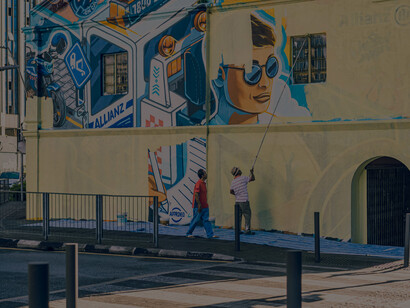
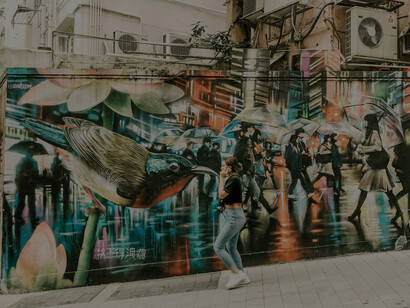
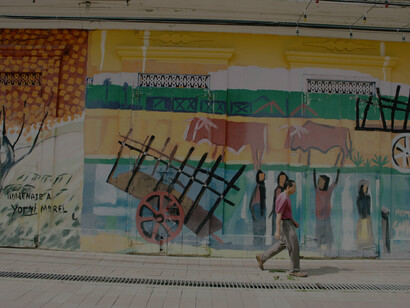
Murals are among the most effective elements in cultural wayfinding. Their scale and visibility turn them into navigation markers that people remember instantly. A traveler might recall that their hotel sits “two streets past the mural of the dancing figures,” even if they cannot pronounce the street name. Some cities curate mural trails that intentionally form walkable routes between districts, enabling visitors to discover cultural narratives while navigating. This approach blends storytelling with practical guidance, resulting in a more immersive, intuitive experience. Sculptures operate similarly but add spatial presence. Positioned at intersections, plazas, waterfronts, or transport hubs, sculptures help define transitions and signify moments of arrival.
A striking installation at the end of a boulevard can create a focal point that draws visitors forward. Cultural wayfinding is not only about grand artistic gestures. Small details like decorative paving, stylized benches, etched directional motifs, or unique manhole covers can collectively shape a navigational system. These micro-interventions encourage people to explore, noticing meaning in places they may have otherwise rushed through. They support different navigational styles; some follow signs, others follow patterns, and many follow the presence of activity or recognizable details. Cultural wayfinding respects all these modes, creating an inclusive experience.
Digital tools add another layer to cultural wayfinding without replacing the physical environment. Visitors can now scan murals to learn their stories, explore curated art routes through mobile apps, or access augmented overlays that reveal the history behind sculptures. When these digital components echo the artistic cues found in the streets, they create a cohesive ecosystem in which technology enhances rather than overwhelms the physical experience. Despite its advantages, cultural wayfinding requires thoughtful planning. Artistic elements must be curated carefully to avoid visual clutter.
Designs should consider accessibility, ensuring that colors, shapes, and patterns remain readable to people with varying levels of vision. Collaboration among designers, local artists, and communities is essential to avoid imposing narratives that do not reflect genuine local identity. Well-executed cultural wayfinding feels as though it emerged from the life of the city itself, not as an afterthought, but as a natural extension of its character.
Lisbon’s Alfama District as an example
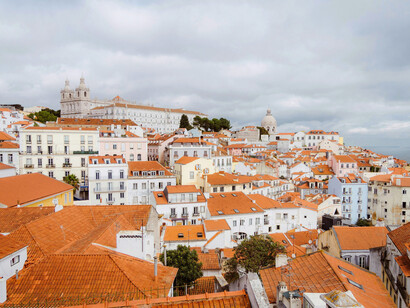
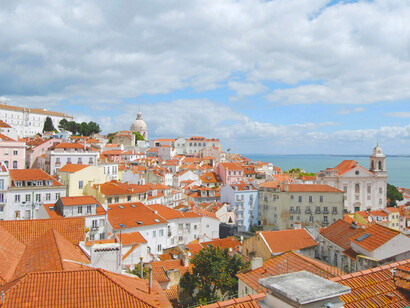
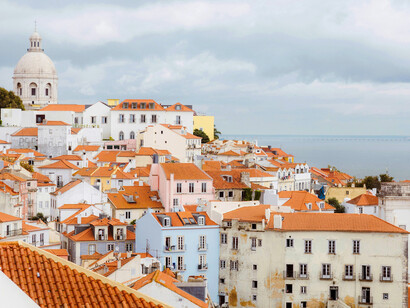
Lisbon’s Alfama district offers a vivid example of cultural wayfinding shaped by art, tradition, and geography. The neighborhood’s steep, winding streets are marked with azulejo tile artworks, blue-and-white ceramic panels that serve both as decoration and spatial cues. These tiles appear on walls, staircases, and building façades, often depicting maritime scenes, religious motifs, or abstract patterns that reflect the city’s history. In Alfama, these artistic elements help guide pedestrians toward landmarks like the Sé Cathedral or the Miradouro viewpoints, creating a visual rhythm that accompanies the ascent. Street musicians, painted doors, and sculptural metal lanterns further anchor the sense of direction, turning the district into a living map where culture and navigation blend seamlessly.
Conclusion
Cultural wayfinding reimagines navigation as a cultural encounter. Rather than relying solely on functional signs, it uses artistic cues, murals, sculptures, patterns, and color to help people move through cities with ease and delight. Travelers find their way not just through arrows but through visual stories embedded in the landscape. Residents develop pride as their neighborhoods express themselves through creative identity systems. As cities grow more diverse and interconnected, the need for intuitive and meaningful navigation increases. Cultural wayfinding offers a compelling approach: practical yet poetic, functional yet expressive, guiding people not only from place to place but deeper into the cultural fabric of the city.