English
 Español
 Français
 Deutsch
 Italiano
 Português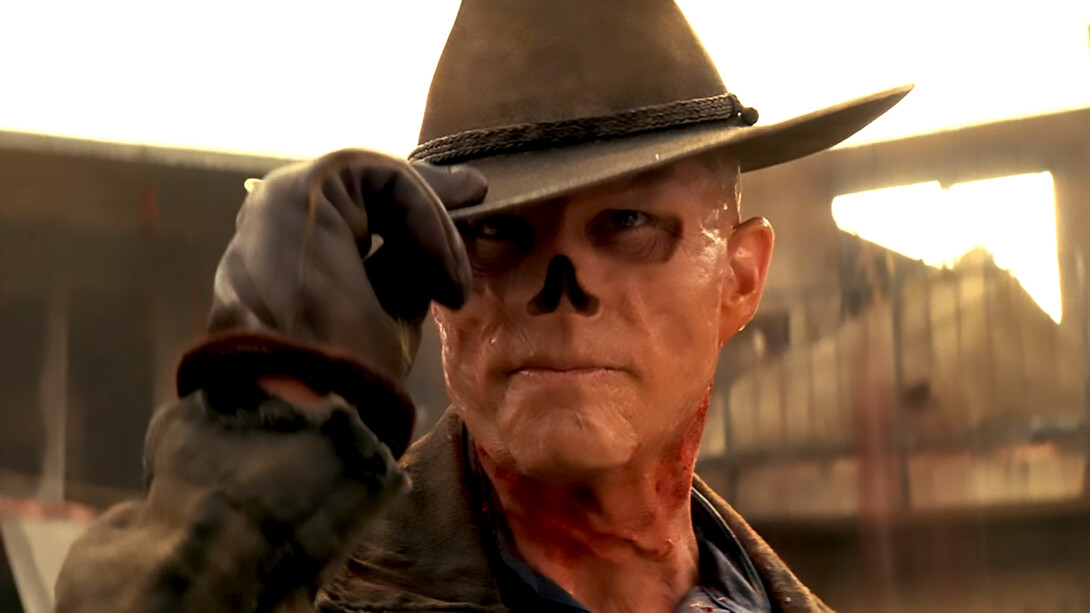
From The White Lotus to Don’t Look Up, Hazbin Hotel, and Fallout, we’re no longer crying about the end: we’re cracking jokes.
There’s something deeply funny, in the bleak, “oh god, everything is on fire” way, about the stories we gravitate toward now. Once upon a time, apocalypse narratives were designed to devastate us. The Road. Chernobyl. Children of Men. We watched them, suffered through them, and whispered, “At least our real life isn’t like this.”
Now, real life is kind of similar. And instead of turning to comforting escapism, we turn to… comedies about collapse.
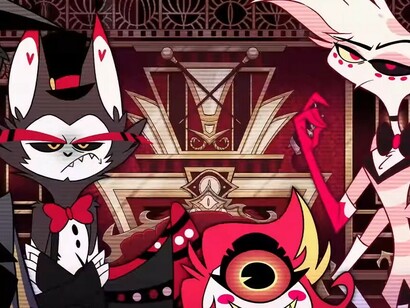
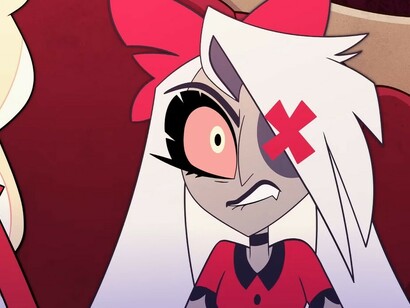
We laugh at billionaire meltdowns in The White Lotus. We chuckle through humanity’s willful stupidity in Don’t Look Up. We treat nuclear wastelands like theme parks in Fallout. And in Hazbin Hotel, we literally follow a princess of Hell trying to rehabilitate demons using jazz hands, therapy-adjacent chaos, and a musical number or two. Apparently, the world ending isn’t tragic anymore: it’s content.
Welcome to existential comedy, the genre that says, “If we’re doomed, we might as well enjoy the view.”
Why we needed a new tone for the end times
Classic apocalypse stories relied on shock and despair. They confronted us with starvation, brutality, and moral decay: exactly the things we now encounter daily in our newsfeeds before breakfast.
After years of pandemics, political chaos, climate fear, and doomscrolling, we hit saturation. You can’t traumatize an audience already living in a low-grade panic. So creators shifted tactics. They didn’t soften the apocalypse; they sharpened the satire.
Humor became the antidote to dread. Sarcasm became the new emotional armor. And audiences collectively said, “Fine. If you can’t fix the world, at least make it hilarious.”
The White Lotus: comedy of (rich) catastrophe
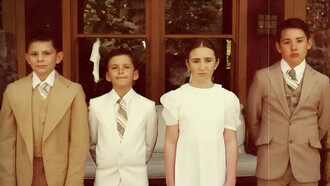
The White Lotus (HBO) isn’t an apocalypse in the traditional sense. No meteors, no zombies, no mushroom pandemics. Just wealthy people self-destructing so spectacularly that it might as well be the end of civilization.
Characters unravel not in war zones, but in spas and luxury suites, which somehow makes their narcissism even funnier. Their marriages implode, their identities collapse, and their moral compasses dissolve in $500 cocktails.
Why it works:
There’s no villain, just humanity decaying in slow motion.
Humor emerges from painful recognition, not punchlines.
Rich people crying is endlessly therapeutic.
Online, the series is treated like an emotional horoscope. TikTok loops Tanya’s breakdowns with soothing music. X and Threads analyze the show like it’s a philosophical text. Everyone laughs because the cruelty is subtle, relatable, and often fashionably dressed. The White Lotus reminds us: sometimes the apocalypse is just people being themselves.
Don’t Look Up: climate anxiety, but make it stupid
The director of Don’t Look Up (Netflix), Adam McKay, took the thing we fear the most, global annihilation, and turned it into a farce about social media, celebrity culture, and political incompetence. The joke isn’t the comet. The joke is on us.
Everything in Don’t Look Up feels painfully familiar:
Officials refusing to believe scientists.
Influencers turning extinction into brand deals.
News anchors giggling through emergency broadcasts.
Billionaires trying to profit from planetary disaster.
It’s funny not because it’s exaggerated, but because it’s accurate. People said the film wasn’t satire. It was a documentary with a better cast. And audiences loved it because it gave us permission to laugh at our helplessness. It transformed fear into something digestible: absurdity.
Fallout: nuclear wasteland but make it cozy
The Fallout Series (Amazon Prime) is what happens when you take nuclear devastation and blend it with dark comedy, retro-futuristic vibes, and a world where the worst thing isn’t radiation: it’s corporate customer service.
The show balances brutality with humor. Vault dwellers smile their way through manipulation. Ghouls have dry wit and better comedic timing than late-night hosts. Capitalism survives the bomb (of course it does).
Why it resonates:
Humor makes the violence bearable.
Irony mirrors our actual reality.
Characters cope the way we do: with jokes.
Fallout doesn’t mourn the world. It roasts it. And after the last few years, roasting feels therapeutic.
Hazbin Hotel: musical chaos at the gates of hell
If Fallout turns nuclear collapse into dark comedy, Hazbin Hotel (Amazon Prime) takes it one level deeper: straight into Hell, where sinners break into musical numbers and trauma is just another punchline.
On paper, the show should be bleak. Eternal damnation. Endless violence. Demons with more issues than entire therapy conferences. But somehow, it’s… cheerful? Colorful? Almost wholesome, if you squint past the murder?
That’s the magic of Hazbin Hotel:
Hell is a character development workshop.
Redemption arcs come with choreographed dance breaks.
Villains are sexy, deeply flawed, and self-aware in a way real people rarely manage.
The animation takes existential horror, eternity, punishment, and moral failure and filters it through neon aesthetics, Broadway-level songs, and razor-sharp humor. It’s not about denying darkness; it’s about staging it so flamboyantly that you can’t help but laugh.
Online, fans treat the characters like therapy mascots: Alastor edits, Angel Dust memes, and moral debates are framed through TikTok thirst traps. If Don’t Look Up satirizes our collapse and Fallout turns wastelands into playgrounds, Hazbin Hotel does the boldest thing of all: it makes the afterlife fun.
Hell stops being a threat; it becomes a vibe.
Why satire became survival
There’s a reason why existential comedy exploded:
Humor defuses fear: laughing at something makes it smaller. Mocking disaster gives us a sense of control, even if it’s fake.
Community forms around shared despair: memes are modern campfires. We gather online to laugh at pain we can’t fix.
Irony protects us: sincerity feels too vulnerable in a world this unstable. So we use jokes like emotional hazmat suits.
Stories reflect our emotional exhaustion: we don’t want “strong moral messages.” We want the truth told with a wink.
If reality has gone full absurdist, then absurdity is the only genre that still makes sense. Existential comedy doesn’t lie to us with “Everything is fine.” It offers the far more honest update: “Everything is awful, but hey, at least it’s funny.”
We’ve reached the age of premium-packaged apocalypse: doom with a side of deadpan. No one wants straight tragedy anymore; we want stories that spiral with grace, snark, and questionable coping mechanisms.
This isn’t escapism. This is emotional crisis management with better writing. Satire gives us the oxygen mask our newsfeeds forgot to hand out. So if the world ends, let it be ironic. Let it be self-referential. Let it be painfully entertaining.
Because the truth is simple: humor is the last working survival system we have. And when civilization finally glitches out, we’ll meet the void not with screams, but with memes, obviously.