English
 Español
 Français
 Deutsch
 Italiano
 Português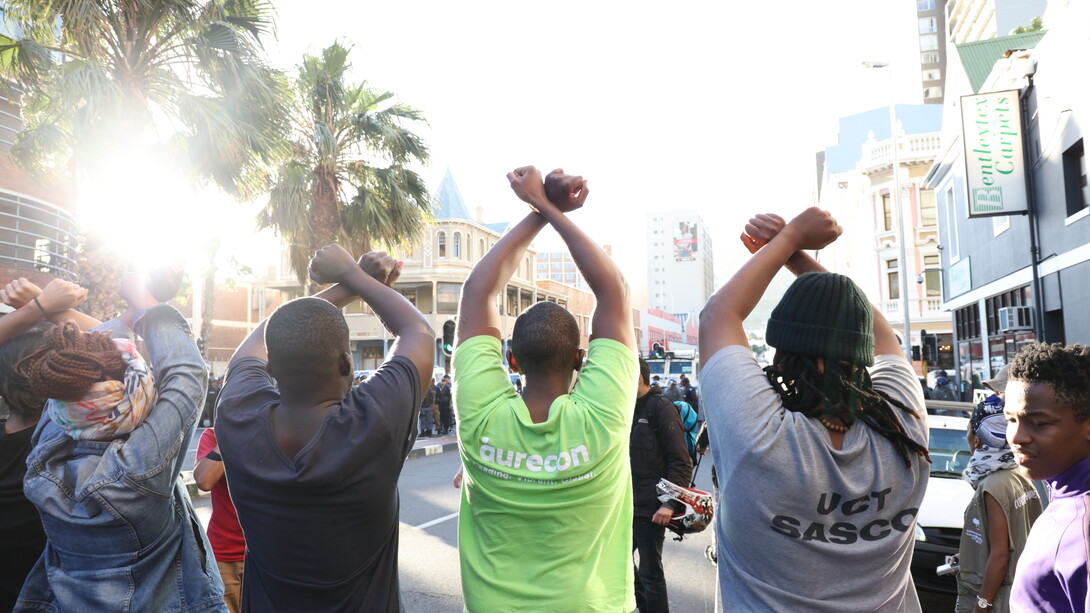
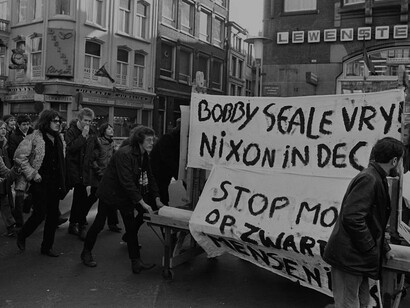
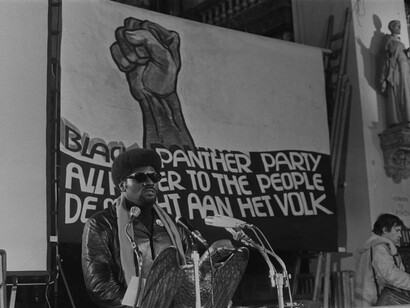
The weaponization of the term “woke” and the broader backlash against progressive ideas reflect a deliberate and systemic effort to reposition social justice movements as threats rather than moral responsibilities. This phenomenon isn’t entirely new. It echoes the demonization of communism or the backlash against civil rights movements of the 1960s, but its contemporary iteration is amplified by digital media, political polarization, and a global rise in right-wing politics.
The strategy is simple: reduce complex struggles for equity into extremism, then position centrism and the right as the only “reasonable” alternative. This has created a cultural environment where advocating for reparations, gender equality, or anti-racism is dismissed as divisive or even dangerous, while reactionary views are rebranded as common sense.
Consider how “woke” evolved from Black vernacular—a warning to stay alert to systemic racism—into a disparaging slur for “overreach.” What began as a survival ethic in African-American communities has been stripped of context and turned into a catch-all insult, deployed whenever someone dares to speak truth to power.
In the UK, Rishi Sunak’s government blamed “woke ideology” for everything from museum exhibitions on colonialism to diversity training in healthcare, framing these efforts as elitist impositions rather than redress for historical exclusion. Across the Atlantic, Florida’s “Stop WOKE Act” legally restricts discussions of racial injustice in schools and workplaces by equating them with indoctrination. A pattern emerges: by conflating accountability with authoritarianism, conservatives reposition structural critique as a form of tyranny. The irony is clear and blatant.
The same factions that accuse progressives of erasing history actively whitewash curricula, banning books that center marginalized voices while celebrating narratives of national identity. This was starkly visible in post-apartheid South Africa, where history syllabi selectively chose which parts of the past were deemed “important.” Violence against Black bodies during apartheid was softened or sidelined, while Afrikaner struggle was elevated to myth.
The attack on affirmative action and Broad-Based Black Economic Empowerment (BBEEE) follows the same script. The 2023 U.S. Supreme Court ruling against race-conscious admissions framed racial equity as “reverse discrimination,” blatantly ignoring centuries of institutional damage caused by racism. Some defend meritocracy as if it were under threat, yet we rarely interrogate how legacy admissions and wealth disparities systematically exclude certain races from access. The argument isn’t about fairness. It’s about preserving a system and its hierarchies.
Media narratives reinforce this sleight of hand. Films like The Woman King or Black Panther were dismissed by some as “woke propaganda,” as if centering Black stories was inherently political, while white-dominated narratives remain the default. This is a clear double standard: progressives are accused of politicizing culture, while conservative revisionism is framed as defending tradition.
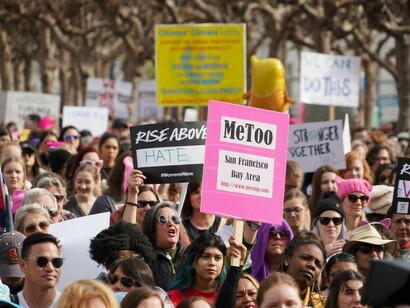
Feminism faces identical sabotage. Online “men’s rights” communities portray gender equality as zero-sum, framing #MeToo as a witch hunt and toxic masculinity as a natural right. In Argentina, where abortion was legalized in 2020, opposition campaigns depicted feminists as “family destroyers,” equating women’s autonomy with societal decay. The playbook is consistent: isolate progressive language like “toxic masculinity” or “white privilege,” strip these terms of context, and redefine them as weapons against the status quo. This creates a false binary where critiquing power is radicalized, while maintaining inequity is positioned as neutral.
Then there’s the “anti-woke” branding in corporate and political spaces, revealing its economic muscle. Elon Musk rebranded Twitter as a “free speech” platform while censoring critics and elevating right-wing voices, proving how “anti-wokeness” is commodified as dissent. Dark money funds think tanks that produce studies dismissing systemic racism; algorithms amplify outrage over “woke” scandals; politicians weaponize cultural anxieties to divert attention from material issues like wealth inequality. The goal is to make progressivism seem fringe, exhausting, or hypocritical.
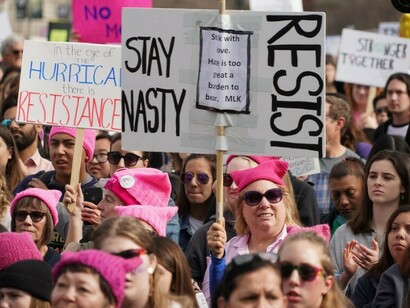
This orchestrated fatigue is the point. When every push for justice is met with eye-rolling and mockery, activists burn out, moderates stay silent, and the status quo wins by default. The term “woke” becomes radioactive, forcing even its defenders to speak in euphemisms—“equity,” “inclusion,” “common decency”—just to be heard.
Yet the backlash reveals its own fear. If these ideas were truly fringe, they wouldn’t require billion-dollar propaganda machines to suppress them. The ferocity of the reaction proves the power of the original demand: that systems built on exclusion can and must be dismantled.
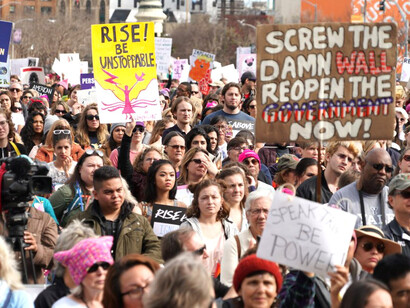
Resistance persists outside the poisoned discourse. Grassroots movements continue pushing for reparations, climate justice, and labor rights, often bypassing the word “woke” entirely. In South Africa, land activists don’t wait for permission to occupy; in the U.S., mutual-aid networks feed communities while politicians argue about pronouns.
The challenge now is reclaiming narrative control—not by abandoning terms like “woke,” but by exposing the systems that fear them. Let the record show who panicked first when Black people said stay awake, when women said enough, and when the marginalized refused to stay quiet. History has always been written by those brave enough to disturb the peace. The life of “woke” is far from over; it has only just begun its fight back.