English
 Español
 Français
 Deutsch
 Italiano
 Português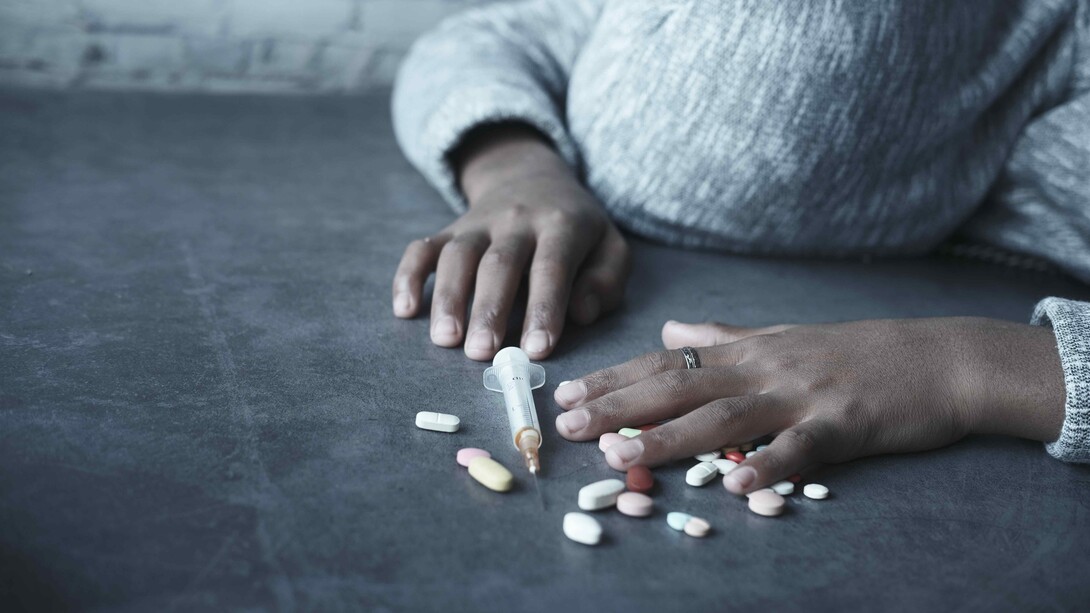
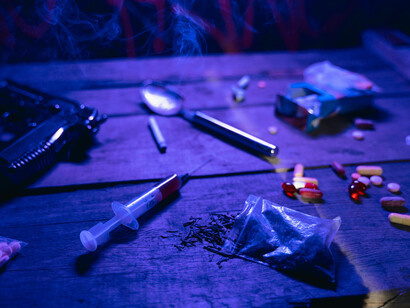
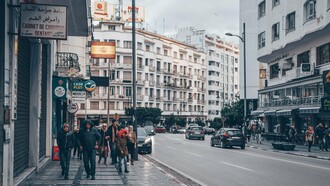
Behind the sleek facade of Islamabad's wide boulevards and diplomatic enclaves lies a city grappling with a silent epidemic. For months, I have navigated the capital's underbelly, investigating the rampant drug abuse consuming Pakistan's youth. The story I uncovered is one of shattered futures, systemic failure, and a chilling reality: for many young people, scoring drugs is now easier than finding hope.
Despite growing awareness, the tide of narcotics continues to rise, fuelled by accessibility, immense societal pressure, and institutional blind spots. This article, drawn from harrowing firsthand accounts and stark data, exposes a crisis spiraling out of control.
The statistics: a nation in the grip of addiction
Pakistan faces one of the world's most severe drug crises. With over 7 million addicts nationwide, a staggering number are young people. The capital is no sanctuary; approximately 8% of Islamabad's youth are substance-dependent, with the highly addictive crystal methamphetamine ("ice") accounting for 30% of cases. A recent Anti-Narcotics Force (ANF) report delivers an even more sobering figure: 17 million students aged 18-31 are struggling with addiction across the country.
The crisis is evolving. While proximity to Afghanistan's opium fields has long been a factor, the Taliban’s 2022 ban is pushing users toward more dangerous, synthetic alternatives. A 2025 study highlights alarming trends among university students in Punjab, many of whom commute to Islamabad, where academic stress and easy availability are key drivers. This is reflected in the numbers: methamphetamine seizures in Punjab skyrocketed from 61.9 kg in 2023 to 404 kg in just the first five months of 2025.
In Islamabad's schools and colleges, the situation is dire, with reports indicating that 44% of students have tried drugs, and one in five has experimented at least once. This isn't just a public health issue; it's an economic time bomb, perpetuating cycles of poverty and crime. As one student starkly told me, "Finding drugs is easier than getting a good grade."
The human cost: voices from the frontline
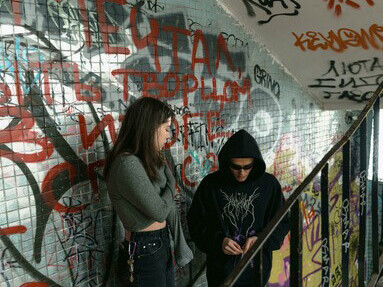
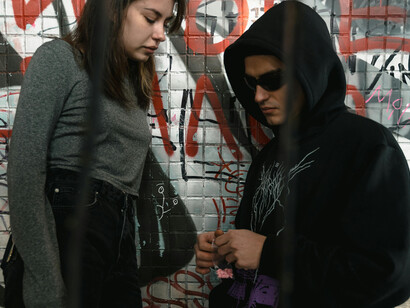
Behind these numbers are broken lives. I spoke anonymously with students whose stories reveal how deeply drug use has infiltrated their world.
Ahmed, 20, engineering student: "It started with curiosity at a hostel party," he confessed. "Friends offered me hashish. Soon, I was hooked on 'ice.' You can find it anywhere—near the cafeteria, in parking lots. Delivery guys drop it off like pizza." Ahmed described the drug's allure as a study aid, but the consequences were devastating: blackouts, paranoia, and academic failure. "I've seen friends overdose in dorms. We don't call for help; we handle it ourselves to avoid scandal."
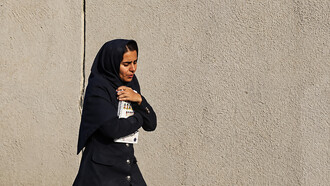
Sana, Women's College student: "For girls, it's more hidden, but just as rampant," she shared. "Social media is our gateway. A quick DM, and you meet in a park or a mall bathroom." Driven by family pressure and the curated glamour of online life, Sana began with prescription pills, eventually escalating to heroin. "One overdose put me in the ER. My parents were told it was an anxiety attack." Her experience reflects a broader, troubling trend of rising female addiction, often linked to untreated mental health issues.
Bilal, University Dropout: "Street children introduced me," he admitted. "Now, I inject to forget my poverty." Bilal's story highlights the vulnerability of marginalized youth. He has overdosed twice, once nearly fatally. "Hospitals often turn us away. The stigma is worse than the pain itself."
These accounts are not anomalies. A 2022 ANF study found that 53% of university students have been exposed to drugs, with campuses becoming hubs due to lax security and peer pressure.
The supply chain: conversations in the shadows
To understand the source, I made contact with the dealers supplying this demand.
Khalid, a mid-level dealer, outlined his operation with chilling efficiency. "We use encrypted WhatsApp groups and delivery bikes. Students are our best customers—affluent kids pay a premium for 'ice.'" He sources his supply from smugglers in Baluchistan, evading authorities by changing locations daily. "Cops might catch a big haul, but small deals? We're invisible." When asked about overdoses, he was dismissive: "That's not my problem. The demand is endless."
Farooq, who operates near campuses, was even more brazen. "I pose as a vendor outside university gates. Pills, meth—whatever they want." He pointed to corruption as a key enabler: "Some officers take bribes; others are simply overwhelmed." Farooq admitted to knowing a student who died from an overdose, yet his business continues unabated.
These networks are resilient, leveraging technology and corruption to flood the streets. Police seizures, while significant, feel like drops in a vast ocean.
Systemic failure: why enforcement isn't enough
The central question remains: why does this persist under the nose of law enforcement? The Islamabad Capital Territory (ICT) Police and the ANF are active, having arrested hundreds of dealers in 2025 alone. Yet, they are fighting a losing battle.
Resource strain: police resources are often diverted to VIP security, leaving educational institutions under-protected.
Sheer scale: porous borders and the rise of online trafficking make it impossible for traditional policing to keep pace.
Societal stigma: the shame associated with addiction prevents families from seeking help, allowing the problem to fester in silence. A culture of impunity for the elite further undermines accountability.
While international support from bodies like the UNODC is crucial, and government initiatives like ANF's university partnerships are a step in the right direction, the response remains fragmented and insufficient.
A call to action: reclaiming our future
Pakistan’s youth drug crisis is a national emergency, and Islamabad is its epicenter. The stories of Ahmed, Sana, Bilal, and the dealers who prey on them are a desperate plea for intervention.
We must move beyond sporadic raids and embrace a comprehensive strategy:
Bolster enforcement: disrupt the supply chain with targeted intelligence and root out corruption.
Expand rehabilitation: make quality, accessible treatment available to all, destigmatizing addiction as a health issue, not a moral failing.
Launch aggressive education: implement evidence-based prevention programs in schools and universities, empowering youth with resilience.
As one student pleaded, "Save us before it’s too late." The future of a generation hangs in the balance. We must act now to pull them back from the brink.
Names changed to protect identities.