English
 Español
 Français
 Deutsch
 Italiano
 Português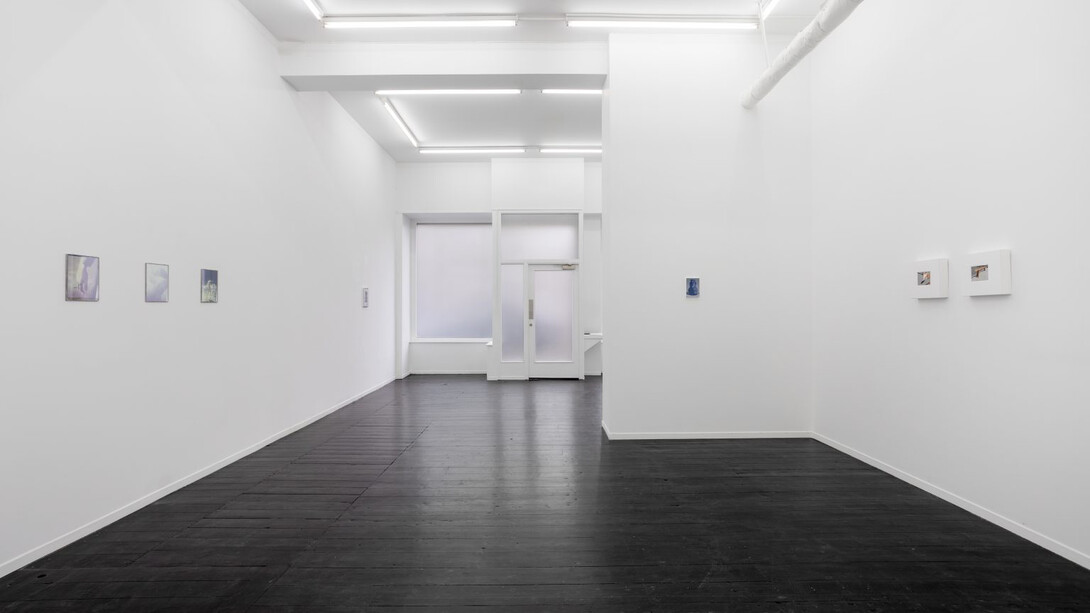
Margot Samel and Kendall Koppe are pleased to announce a three-person exhibition with Marina Grize, Ditta Baron Hoeber, and Olivia Jia. Opening at Kendall Koppe in Glasgow and presented by Margot Samel, the exhibition embodies a spirit of exchange and collaboration, expanding the dialogue between galleries and artists.
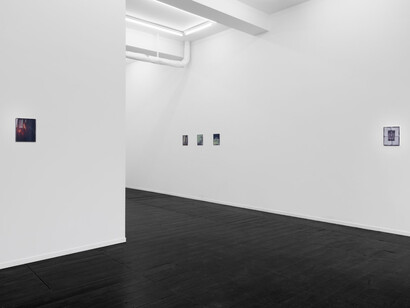
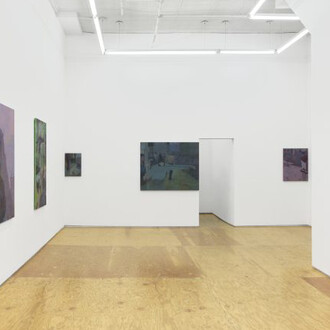
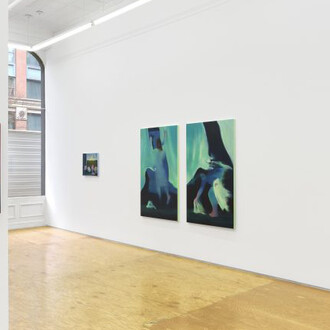
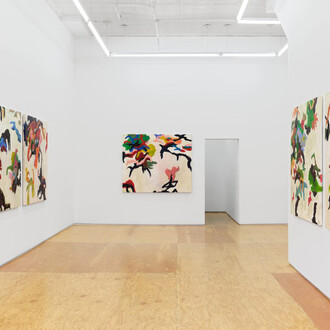
Each of the three artists approaches image making beyond an act of conveyance. Through methodologies that transfer an image out of its contexts and into new unstable associations, affinities, and significations, the image becomes a site of translation, memory, and desire. Writer Mieke Bal argues that translation extends beyond the literary. She states that visual images are translated as they move through varying audiences, and that within their exacting movement–the act of translation itself–they uncover and produce a possibility of understanding. The works on view are intimate and laboriously rendered through painting, drawing and photography. They chronicle and perform this understanding through identifications in queer history, gaps between the image’s narrative crafting, and variations in articulating the self.
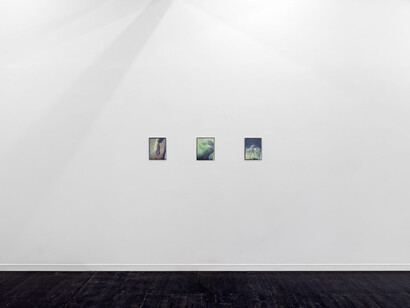
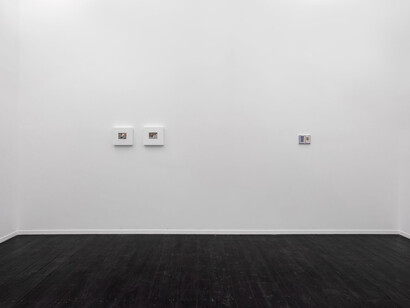
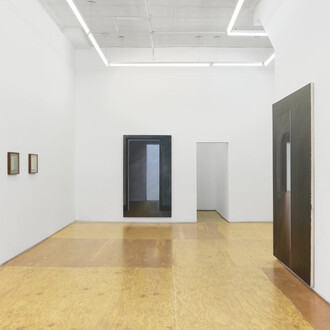
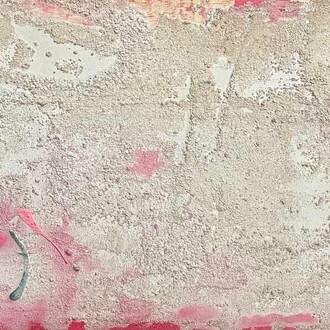
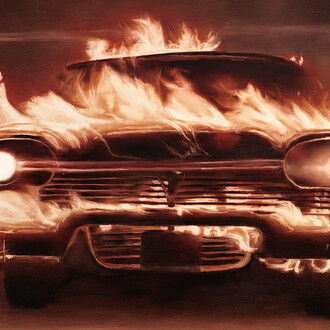
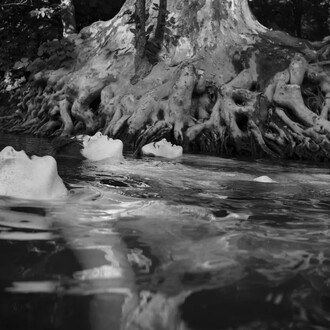
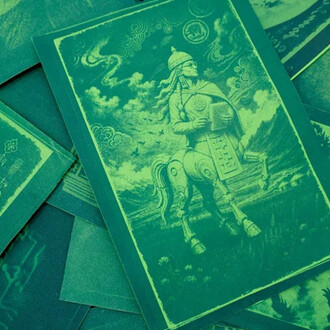
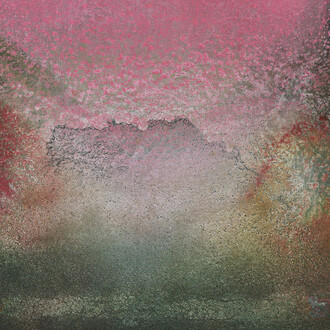
The photographic moment serves as a shared point of departure for Grize, Hoeber, and Jia. Grize starts with the filmic, pausing projections of cinema that feature women bathing and female desire, then photographing these scenes with a Polaroid camera and expired film. Through close cropping, abstracted processing, and framing, the photographs leave their contexts and become an archive of female desire, out of their fabricated male gaze. Hoeber mediates what dictates the gaze within photography, capturing an image and then allowing it to sit and expand for the artist’s eye until that which is essential is identified and painted over. Making physical space for what is deemed only supportive, her process troubles how narrative is constructed, upheld, and circulated. For Jia, images of artifacts found in encyclopedic collections from Chinese past and antiquity, and personal photographs–like a wax plum flower taken by the artist herself during her last trip to Shanghai–are painted across her signature blue tableaux, like tracing clues through one’s own historic archive. Through their rendering, Jia seeks to close a gap between an historical self, and the self that is molded through the accidents of time and one’s own world-making.
In the present, we are overwhelmed by a barrage of mediation, often encountering hundreds of images digitally each day. Yet these practices insist that the image retains relevance—not in what is shown, but in its fragments, traces, and absences. The image slips from its surface, returning as a trace, a hesitation, a desire to persist. What remains is neither subject nor story, but a rhythm of attention—an echo of what once was, and what continues to appear.
(Text by Emily Small)