English
 Español
 Français
 Deutsch
 Italiano
 Português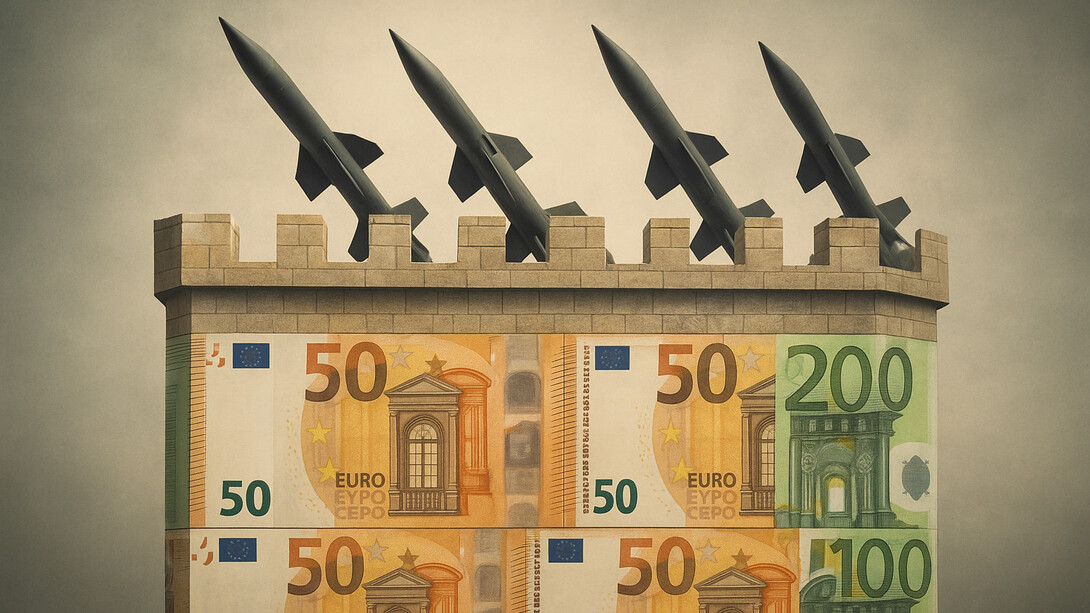
For approximately 500 years, until their decline in the 15th century with the emergence of cities and trade, feudal lords ruled Europe under a very simple formula: the lord granted a piece of land to the peasants so that they could live and produce food. In the ceremony of vassalage, the peasants knelt before their lord, swore allegiance to him, and pledged to hand over part of their harvests, pay taxes and tributes, and tithe their produce to the church. In return, the feudal lord offered them security, with military protection from his troops and timely advice.
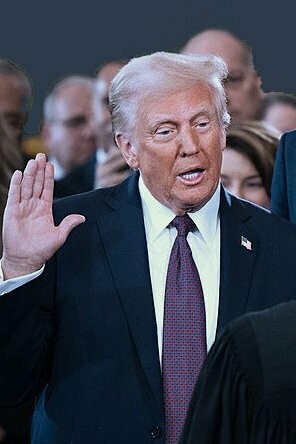
At the recent NATO summit held in The Hague from June 24 to 26, attended by US President Donald Trump, member countries heard from the organization's secretary general, Mark Rute, who said that “Russia could be prepared to use military force against the Atlantic Alliance within five years.” With a pre-established script, the member countries then committed to complying with President Trump's demand: to increase military spending from 2% to 5% of GDP within 10 years. Rutte, who makes no secret of his admiration for the US leader, summed up President Trump's words very well when the conflict between Iran and Israel was also being discussed: “Sometimes, daddy has to use strong language.”
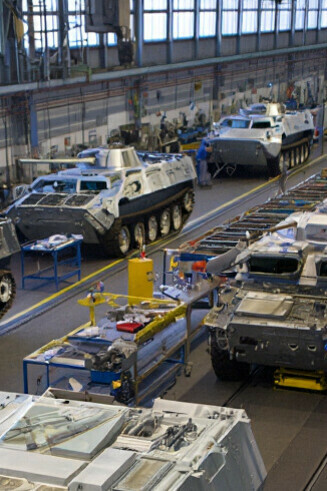
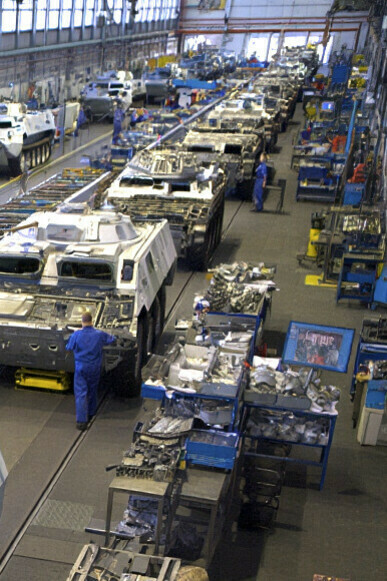
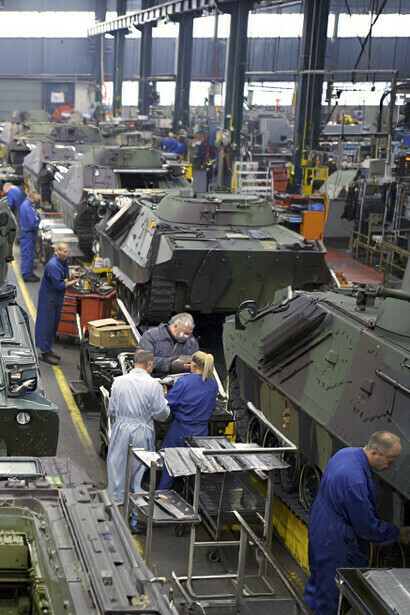
The breakdown prepared by US strategists established that 3.5% would go directly to the purchase of military equipment and troop maintenance, and 1.5% to defense investments, including cybersecurity and critical infrastructure maintenance, among other things. In return, member countries will enjoy military protection from the United States. Washington currently allocates 3.36% of GDP to defense.
5% of the GDP of NATO countries, excluding the United States, amounts to approximately $1.2 trillion, or 1,200,000,000,000, or 1012. The estimated public debt of the 27 countries of the European Union in the first quarter of 2025 amounted to $16.14 trillion, with Italy standing out at 137.9% of GDP, equivalent to $3.1 trillion; France at 115.9% or $3.4 trillion; Spain, where the debt amounts to 102.6% or $1.70 trillion; and Germany, with a public debt of 99.3% of GDP, equivalent to $2.98 trillion. Allocating 5% of national income to defense is, from an economic point of view, a real challenge whose political consequences can be devastating, as it requires reducing or cutting budgets for health, pensions, education, culture, and other highly sensitive areas of the welfare state to which Europeans are accustomed. In addition, it will be inevitable to reduce aid and cooperation projects to developing countries, giving way to the strategic rival of the United States and, therefore, of the European Union, which is China.
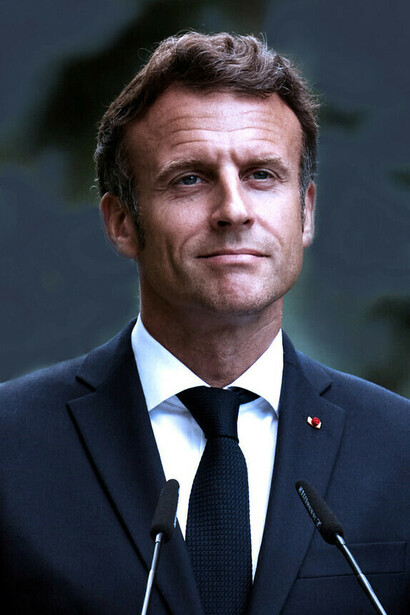
In countries such as Spain, according to the newspaper El País, a 5% increase in military spending would amount to some €80 billion per year, or almost half of the budget allocated to pensions. Likewise, Madrid would already be at 2% of defense spending, having increased its purchases from the United States in 2024, which amounted to $2.904 billion. In France, where President Emmanuel Macron is facing a major political crisis—having had four governments in one year—he has failed to reach a political compromise to reduce the fiscal deficit of €44 billion or extend the retirement age, among other issues. Reducing budgets and increasing military spending to the levels imposed by the United States will only prolong the protests. In Germany, with the shadow of the far right as the second political force, spreading across Europe, there are the militaristic statements of Federal Chancellor Friedrich Merz, who warned that he expects to have the strongest army on the continent. It will be a matter of time to see what the results will be.
President Donald Trump can rest easy. He has achieved important agreements in various conflicts. He has the freedom to send his planes and bomb wherever he sees fit or to fly ships in the Caribbean Sea with total impunity. He now has a guaranteed market for his military industry, which will sell its products to Europeans for years to come. When Spain warned that it would not be able to meet the 5% spending requirement, President Trump responded without hesitation that it could be expelled from NATO or have tariffs imposed on it that would cripple its economy. The European Union, which must act in unison, has remained silent.
Perhaps it is time to establish a clause such as Article 5 of the NATO Treaty, which states that an attack on one country is an attack on all. The threat of unilateral tariffs on Spain should be considered an attack on all. “Daddy” should bear in mind that his children may also tire of so many impositions and that it would be better to allocate those billions of euros to paying off the public debt, creating housing construction programs to give young people confidence, and investing more in research and science to strengthen democracy and social peace.