English
 Español
 Français
 Deutsch
 Italiano
 Português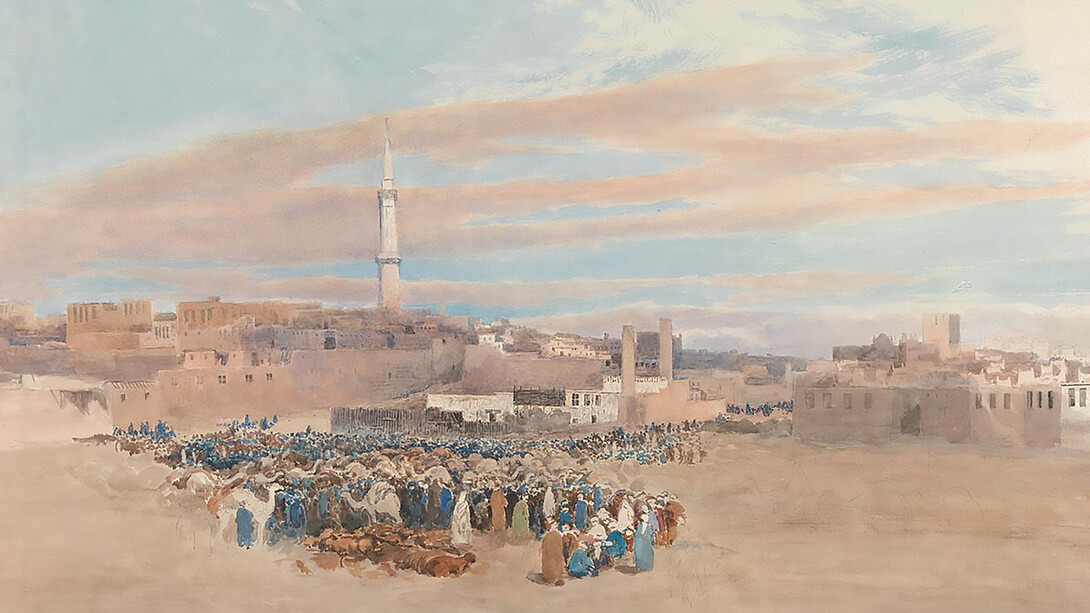
This month, as tens of thousands of pilgrims prepare to converge on Tanta for the annual moulid of al-Sayyid al-Badawi, the city once again finds itself at the center of a complex mix of devotion, commerce, and controversy. The festival, one of Egypt’s largest religious gatherings, has become a lens through which to examine the enduring influence of historical myths, the persistence of corruption, and the social challenges facing this once-modest provincial city. In a period when the country is grappling with increasing demands for transparency and accountability, Tanta offers a striking case study of how centuries-old religious narratives continue to shape contemporary life—for better and for worse.
The myth of al-Sayyid al-Badawi
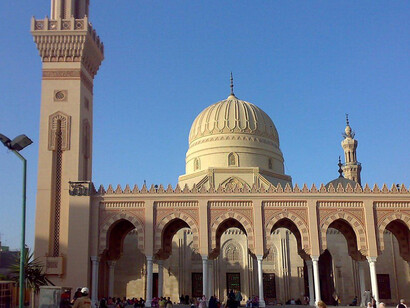
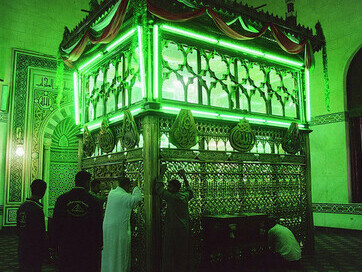
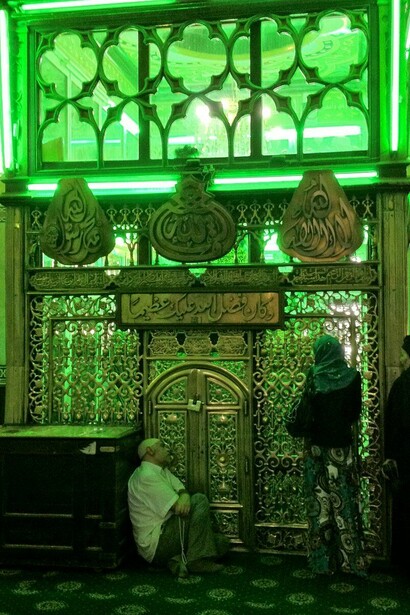
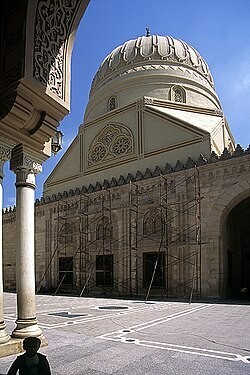
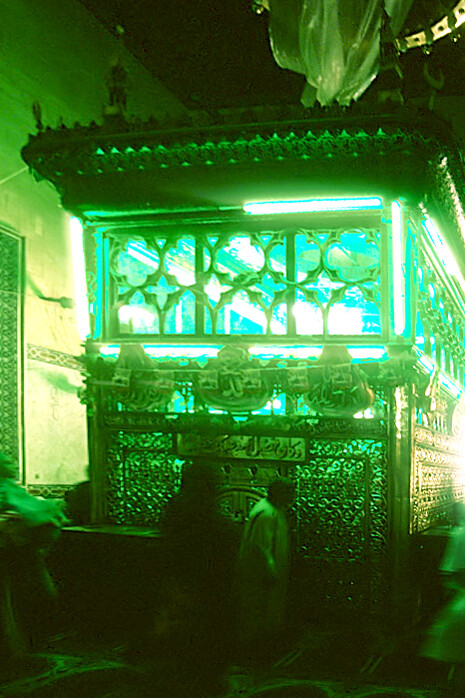
Tanta, the bustling capital of Egypt’s Gharbia Governorate, is widely known for its grand moulid celebrations at the shrine of al-Sayyid al-Badawi, one of the country’s most venerated Sufi saints. Every year, hundreds of thousands of pilgrims converge on the city, turning streets into rivers of devotion, commerce, and spectacle. Yet beneath the colorful banners, incense, and chanting lies a complex web of historical myth, social superstition, and contemporary corruption that has shaped the city’s modern identity—often to its detriment.
At the heart of Tanta’s story is al-Sayyid al-Badawi himself, a figure whose historical footprint is remarkably sparse. According to historical research, his life is poorly documented: major chroniclers of his era, including Ibn Khalkan, Ibn Kathir, and al-Dhahabi, do not mention him. The first detailed biographies appeared centuries later, often blending anecdote, legend, and exaggeration. Scholars point to narratives of al-Badawi screaming on rooftops, claiming supernatural abilities, and practicing forms of devotion that his followers later reinterpreted as miracles or “karamat.” These stories, while central to local piety, lack rigorous historical verification.
From spiritual authority to economic power
Despite these ambiguities, the cult of al-Badawi grew in influence, especially after his death in the 13th century. His disciples institutionalized his teachings, expanded the shrine, and eventually formed networks of Sufi lodges across Egypt. The shrine became more than a religious site; it became a center of social and economic power. Pilgrimage money, donations, and property under shrine control created informal power structures, enabling local leaders to exercise influence far beyond religious life. Over time, this fusion of spirituality and material control shaped how the city managed both wealth and authority.
Modern-day corruption and governance challenges
Fast forward to the present day, and Tanta’s historical structures still echo in its social and political environment. Residents and observers report widespread administrative inefficiency, local corruption, and instances of law enforcement abuse. Recent documented cases include embezzlement of public funds, bribery in municipal offices, and failures to hold police accountable for misconduct. One high-profile incident involved a young man’s death under torture in a Tanta police station, highlighting systemic weaknesses in governance and justice. While Gharbia Governorate is not alone in facing such challenges, Tanta’s visibility as a pilgrimage hub amplifies the perception of impunity: money, influence, and religious legitimacy often intersect to shield wrongdoing.
How myth shapes modern behavior
The historical myth of al-Badawi feeds directly into this modern context. The shrine’s economic and social influence allows certain actors—religious intermediaries, local officials, and even business interests—to leverage devotion for personal gain. Pilgrimage seasons are marked by chaotic commerce, unofficial “fees,” and unregulated services, creating opportunities for exploitation. Many locals acknowledge a tacit hierarchy in which shrine authorities and their affiliates enjoy privileges that ordinary residents cannot access, from administrative shortcuts to security protections.
This entanglement of faith, myth, and social authority also shapes public attitudes. Skepticism toward formal institutions—whether municipal, police, or judicial—is compounded by a culture in which supernatural explanations and saintly intercession remain influential. In such an environment, corruption can flourish, not merely because officials mismanage funds, but because the system is intertwined with centuries-old religious narratives that confer informal legitimacy. Residents sometimes treat official procedures as secondary to the shrine’s authority, creating a parallel power structure resistant to accountability.
The social consequences of commercialized devotion
Moreover, the commercialization of devotion has social consequences. Large-scale festivals bring not only economic activity but also congestion, petty crime, and safety hazards. Street vendors, informal transport operators, and opportunistic actors capitalize on the pilgrimage’s scale, creating an environment where minor criminality is normalized. In combination with the city’s bureaucratic weaknesses, this perpetuates the perception that Tanta is a place where traditional reverence coexists with modern exploitation.
A city of contrasts
Yet the story is not entirely bleak. Tanta remains a vital cultural and religious center in Egypt. Its shrine and moulid provide a sense of identity, social cohesion, and continuity for thousands of Egyptians. The challenge lies in reconciling this heritage with modern governance, transparency, and social equity. Addressing corruption, improving municipal services, and creating legal accountability mechanisms could transform the city from one where myth enables exploitation into a hub where tradition and civic responsibility coexist.
Tanta, therefore, is a city of contrasts: a place where faith inspires devotion, yet historical myth and entrenched power structures have left a shadow over governance and civic life. Understanding the city requires recognizing how centuries-old narratives, like those of al-Sayyid al-Badawi, continue to shape not only cultural memory but also the practical realities of crime, corruption, and social hierarchy. For an outsider, the city dazzles with color and ritual; for a resident, it can be a constant negotiation between reverence and the demands of everyday life under imperfect institutions. In Tanta, the past is never far from the present—and the legacy of myth is more than a story; it is a living force shaping the city’s fortunes, challenges, and contradictions.