English
 Español
 Français
 Deutsch
 Italiano
 Português
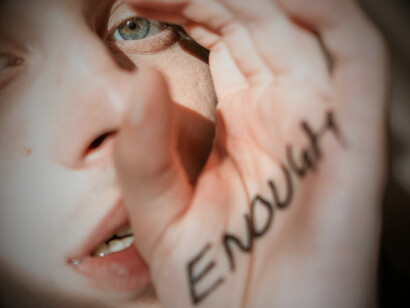
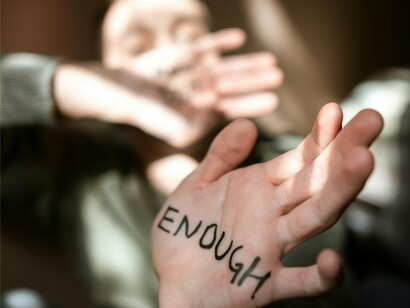
The elevator dinged open, and I stepped into the office, heels clicking sharply on the polished floor. My hands were slick with sweat, fingers clutching the laptop like it held my life’s worth. Today’s presentation wasn’t just another meeting—it was the client who could make me partner. Every colleague’s glance felt like a weighing scale, every murmur a judgment. I was supposed to be untouchable, admired, the office’s shining star. Yet a knot coiled in my stomach, whispering a familiar warning I thought I had outgrown: you’re not enough.
I had spent weeks preparing for this moment. Slides polished, speech memorized, every question anticipated. I imagined the client nodding, impressed, and colleagues leaning in with subtle awe. For once, everything aligned: I was competent, confident, and visible. I was the one everyone depended on.
And then it all fell apart in a single glance.
My mentor, the person I had admired since my first day, skimmed my slides and shook his head. “This won’t work. You don’t have a clear head. Come back when you can think straight,” he said, his tone casual but final.
I froze. His words didn’t just critique the project—they invalidated me. Me, the girl who had stayed late countless nights, refining every point, anticipating every question, striving for perfection. Me, the star of the office. The words landed with the weight of a hammer.
I didn’t know that he had just been served papers in a bitter custody battle. His personal chaos bled into the professional, and I became the collateral. But in that moment, I internalized it as proof: I wasn’t enough. I would never be enough.
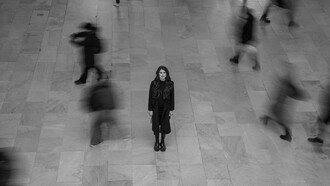
I tried to breathe, tried to rationalize, and tried to remind myself that his life was complicated. But the echo was familiar, horrifyingly familiar. The nine-year-old me sat on the edge of a couch, clutching a crayon drawing, holding it out to my mother. She barely glanced up from her newspaper. “Put it on the fridge,” she said, her attention elsewhere. That was all. Invisible. Unseen. Unworthy.
By the time I stepped into the conference room, my body was betraying me. My hands trembled, and my voice quivered. The slides seemed heavier than they had on my laptop. Words escaped me. Polished phrases tumbled into disarray. Questions from the client sounded sharper than they were, each one a spotlight on my failure. My mentor’s eyes met mine briefly—disappointment, perhaps irritation, flickered across them—and that alone shattered every bit of composure I had fought to maintain.
I could feel the office watching, colleagues leaning back, unsure, whispering. My confidence evaporated. Panic set in, thrumming in my veins like an electric current. I wasn’t just failing the client; I was failing the image of myself I had worked so hard to create. The dream of partnership, once held high like a banner, slipped through my fingers like sand.
Afterward, I fled to my desk. Emails stacked in waiting, phone buzzing with congratulatory messages meant for others. I stared at the screen, numb. My mentor avoided me, and I couldn’t meet anyone’s eyes. My carefully cultivated world—success, admiration, stability—had crumbled in one fleeting moment.
I went home; my apartment was quiet except for the hum of the refrigerator. I tried to regain control in small, tangible ways. I began unpacking groceries, stacking boxes and jars with deliberate care, but even that became a battlefield. Each movement reminded me of my childhood: stacking, arranging, trying to impose order on a world that wouldn’t notice or care.
I remembered sitting on the couch as a child, clutching my drawings, hoping for a glance, a word of praise, or a sign that I existed. Nothing mattered then. Nothing mattered now. And yet, the ache was the same: sharp, unrelenting, and impossible to ignore.
Tears came suddenly, unexpectedly, spilling as I rearranged cereal boxes and unpacked jars. The child I had been—always invisible, always trying—was still inside me, raw and vulnerable. I realized that trauma does not follow a schedule. It does not respect achievement, age, or circumstance. It arrives in quiet moments and mundane tasks and overwhelms everything you have built around it.
I thought of my mentor again, and a bitter clarity settled over me. Hurting people hurt other people. He had his own chaos, but his pain had collided with mine in the most destructive way possible. I was left standing amidst the wreckage—dreams unfulfilled, confidence shattered, identity fractured.
I wanted it to stop. I wanted the spiral to end. But the ache in my chest told me otherwise. Every memory of being dismissed, every echo of invisibility, merged with the humiliation of today. There was no easy resolution, no comforting insight. Only the weight of being human: flawed, vulnerable, and occasionally invisible to the very people we trust most.
By the time I sank onto the couch, groceries half-unpacked, I understood the truth. I could control my work, my preparation, and my professional image. But I could not control when my wounds would resurface, nor how deep they would cut. And perhaps, for today, that was all there was to know.
Some nights, some moments, life ambushes you with the ghosts of what was. And sometimes, the only thing left is to sit with the ache, let the tears fall, and remember that we never get to choose when our wounds heal.