English
 Español
 Français
 Deutsch
 Italiano
 Português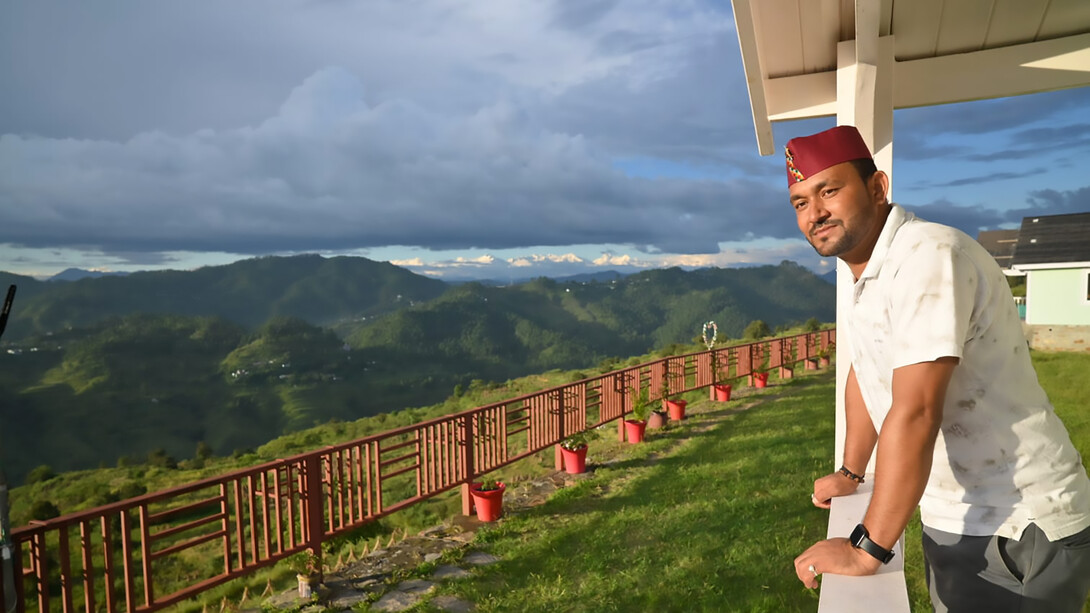
The North Indian state of Uttarakhand, popularly referred to as “Devbhumi” or the abode of Gods, is at the forefront, positioning itself as “New India’s” ultimate wellness tourism hotspot.
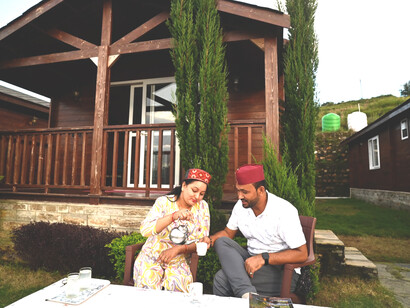
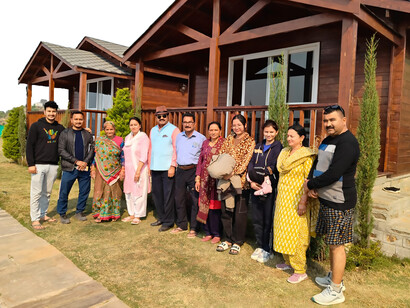
Given the stunning Himalayan vistas that encircle the state and the picturesque setting, the Government of Uttarakhand is focused on developing the concept of “Homestay” as well as “Chalets/Log Huts” in the higher reaches of the Himalayas—Almora, Ranikhet, and beyond.
This initiative in the High Himalayan Zone is having a positive rub-off effect, or “multiplier effect,” on the villages and Himalayan hamlets of Uttarakhand—curbing the instinct of migration to urban areas and generating enough revenues for villagers who have opted to transform their homes into homestays.
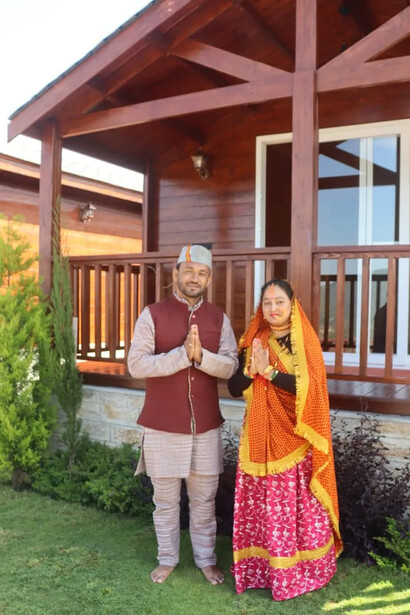
Below are the excerpts of a freewheeling conversation with a native Kumaoni—Chandan Singh Koranga, founder of Koranga’s Wood Villas, who is pioneering the concept of responsible tourism in the Kumaon Himalayas.
What prompted you to undertake this daunting task of building Wood Villas in the Kumaon Himalayas?
The concept of building villas with wood as the primary material is the new buzz. Although wooden villas are commonplace in the US, Canada, and most of Europe, they haven’t been as popular in India, due largely to the climatic conditions (tropical), prohibitive forestry laws, and outdated sawmills, in spite of being blessed with a centuries-old rich legacy of wooden craftsmanship that was patronized by the Maharajas of yore.
Any new venture that is aimed at bringing about a paradigm change in perceptions, particularly on the hospitality landscape, has its share of hindrances and mental blockages. It all depends on how focused one is towards realizing the ultimate goal. Thanks to the state government’s unwavering support and friendly disposition towards Wood Villa entrepreneurs, Uttarakhand’s hilltops are on the verge of showcasing the beauty of the Himalayas in all its grandeur.
I have witnessed firsthand the mass migration of Kumaoni youths migrating to metropolitan cities for livelihood and wanted to arrest this disgusting trend through my Wood Villas initiative, the cornerstone of which is employing local Kumaoni youths and women folks with the project.
What is the USP that draws visitors to the Kumaon Himalayas, and in what ways do you craft your itineraries?
Since ancient times the majestic Kumaon Himalayas in the north Indian state of Uttarakhand have been a preferred place for yoga, meditation, and other spiritual austerities. Justifiably, the Kumaon Himalaya is popularly referred to as the “Devbhumi,” or the abode of Gods!Being a yoga practitioner myself and having a passion for slow & immersive travel, I craft itineraries that offer visitors a chance to explore the grandeur of the Kumaon Himalayas through tailor-made itineraries with a fusion of soft treks and cultural immersion for visitors from abroad.
One must bear in mind that Kumaon isn’t all about high-octane mountaineering; rather, it is about tranquillity and peace. It is one region of India where you can leave your so-called civilization behind (at least for a week or so) and embrace the meditative Himalayas, breathe the same air that the ancient Rishis of yore breathed, and go back home, a thoroughly transformed person!
The concept of “regenerative tourism” is one of the reasons why visitors prefer the Kumaon Himalayas. Can you offer your insights on this issue?
Consider, for instance, the Kasar Devi Temple. If you are in search of true bliss, this is the place to be.Just 9 km away from Almora, the Himalayan panorama surrounding Kasar Devi is breathtaking. And, when it comes to soul enrichment, the entire Kasar Devi hill is actually a massive geomagnetic radiation field, courtesy of the Van Allen Belt. There are only two other such Van Allen Belts—Machu Picchu in Peru and Stonehenge in England.
Kasar Devi’s potent energy fields and the picturesque Himalayan surroundings offer today’s jaded traveller a spiritual nectar that is truly indescribable. Apart from being a much preferred place for Sadhana & Meditation since ancient times, great men and women of the stature of Swami Vivekananda, Nobel Laureate Rabindranath Tagore, Bob Dylan, Uma Thurman, George Harrison, Cat Stevens, Allen Ginsburg, and Steve Jobs, to name just a few, have been past visitors to Kasar Devi.
This place oozes with spiritual energy, and so strong is the influence that even people with psychiatric disorders find relief by spending some quality time here.
The Himalayas does have an influence on you in terms of peace, well-being, and mindfulness. However, most visitors tend to overlook the cultural side of the Himalayas in their desire to chase those imposing snow-clad peaks and jaw-dropping mountain panoramas. What are your views on this issue?
The hallmark of my itineraries are “Village Excursions,” offering visitors a once-in-a-lifetime opportunity to indulge in concepts like slow living & mindfulness. Visitors get a chance to appreciate the simple delights of everyday life in Kumaon as they go about caring for livestock, prepare firewood, and still take great pride in characters from the Hindu epics—the Ramayana and the Mahabharata.
Visitors should try to coincide their visit to Kumaon with any Kumaoni mountain festivals for a chance to partake in the rich cultural fiesta. Their traditional dance forms, like Jhora Chanchari, Hukriya Baul, and Chholiya, have captivated the outside world for centuries together.
You recently introduced “Himalayan Bazaar Walks” in and around the hill station of Almora. What type of experience is there for today’s discerning visitors?
The Himalayas are a class apart when it comes to walking tours; more so if these walks are “bazaar” or market-centric, as they are a beehive of activity through trade and commerce, thereby connecting people and cultures. It is through such connections that visitors and locals alike get to know each other’s diversity.
The bazaars of Almora are bustling nerve centers, and each bazaar has its own charismatic charm.Almora Bazaar Walks have touched the hearts of countless discerning visitors, many of them repeat visitors, who were bewildered by the rich assortments of Almora’s bazaars.
Needless to say, Almora Bazaar Walks are 100% private, bespoke, and guided walking tours that take you along some of Kumaon’s most intriguing markets.
Consider, for instance, the Khazanchi Mohallah & Johari Walk. In the days of yore, Almora used to be the bastion of royalty, where trading in gold, silver, and jewelry was commonplace. You can still find an exclusive settlement of goldsmiths at the Johari market, where some of Kumaon’s best jewelers have their outlets selling traditional Kumaoni jewelry like nose rings, necklaces, and a wide variety of bangles.
Gold and jewelry aside, the Johari market is renowned for the world-famous Pashmina and Angora wools, stitched to perfection by highly skilled tailors.
Wrapping up
People from across the world come to the Himalayas in search of peace and solitude. Practicing yoga and meditation in the Himalayas can be a very purifying experience. The Kumaon Himalayas, which has been the hub of yoga & meditation since ancient times, has emerged as contemporary India’s most idyllic region for yoga and mindfulness. With the oxygen concentration being high and with the easy availability of carbon-neutral sites, the Kumaon Himalayas offers an irresistible invitation to indulge in a rejuvenating body-mind-soul purification journey.