English
 Español
 Français
 Deutsch
 Italiano
 Português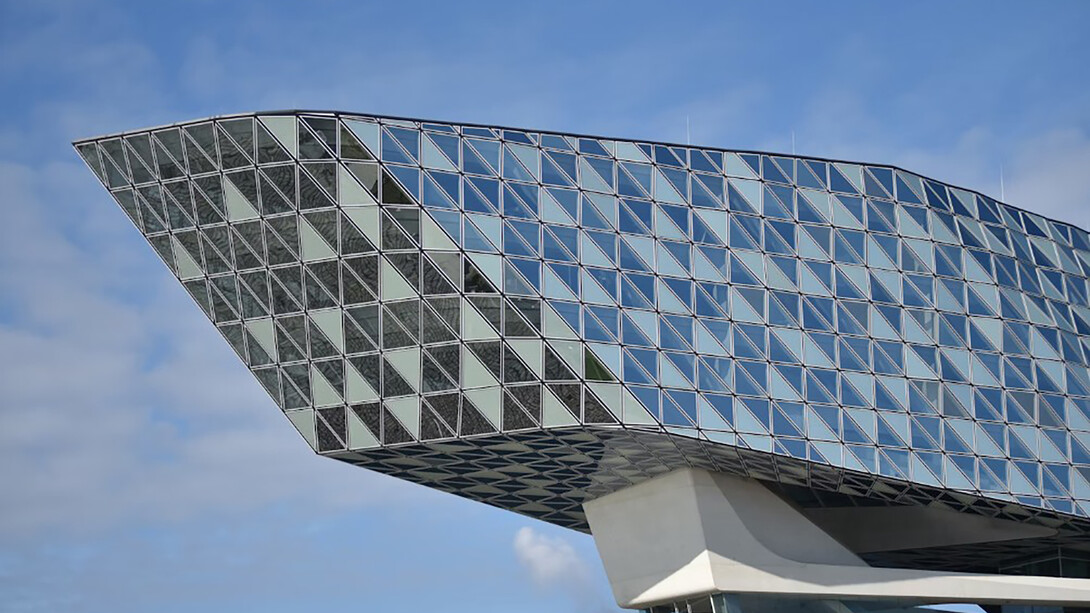
In a world where imagery so often determines perception, the intersection of photography and architecture is one of the most powerful of all visual marriages. Architecture builds the worlds we live in, walk through, and look at from afar. Photography, on the other hand, allows us to record, interpret, and share those worlds—sometimes communicating more about a building than being there. Together, they translate form and function into stories of light and shadow.
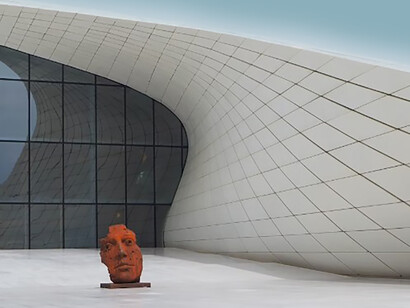
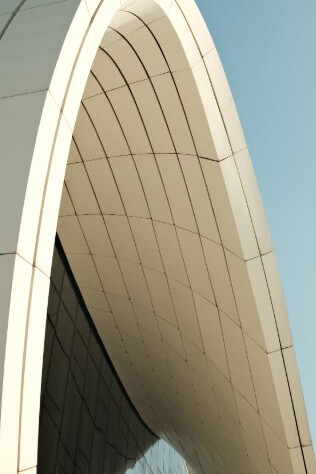
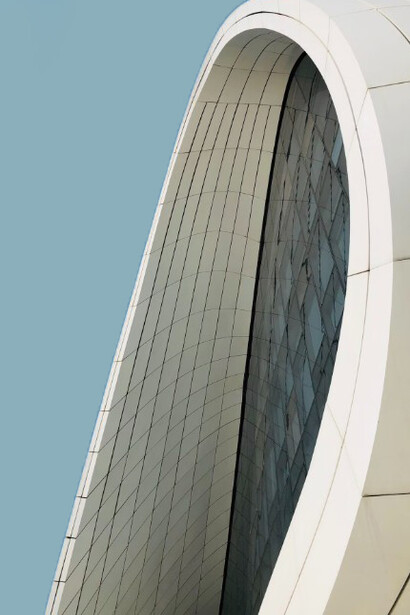
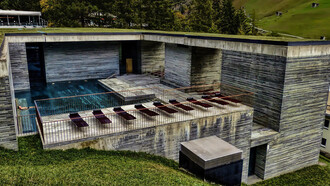
Photography not only documents architecture, from skyscrapers tall to minimalist homes; it translates its spatial language into two dimensions, cropping our perception of scale, material, and sensibility. Think of the austere lines in a Tadao Ando chapel or the fluid, dramatic curves of Zaha Hadid's structures. Well captured, these buildings transcend mere static objects; they are moments, moods, and metaphors.
However, photography of buildings is not as simple as pointing a camera at a building. It requires an understanding of composition, geometry, and how light functions. The best photographs of buildings will more often than not look at how a space is inhabited, how it interacts with its environment, or how it ages and evolves over time. It's about more than symmetry or facade; it's about meaning and context.
Consider, for example, the photography of Julius Shulman, whose iconic shot of the Stahl House (Case Study House #22) in Los Angeles in 1960 became the quintessential image of modernist architecture. The house is dramatic, but Shulman's image of two women seated in the glass box cantilevered above the city redefined it as a cultural icon. The photograph connected architecture to lifestyle, aspiration, and narrative. The photograph became architecture as experience rather than design.
In the era of digital technology, architectural photography is not the preserve of professionals anymore. Social media sites like Instagram and Pinterest have turned everyone into a potential documenter of the built environment. Serious architectural photography takes time and patience. Photographers return to a site repeatedly to capture optimum natural light or to observe how shadows stretch and move during the day. They may wait for people to enter the scene, not to fill the frame, but to add scale and story. Some of the most evocative architectural photos are those that capture how people inhabit space, how they sit, gather, move, or pause in the architect's creation.
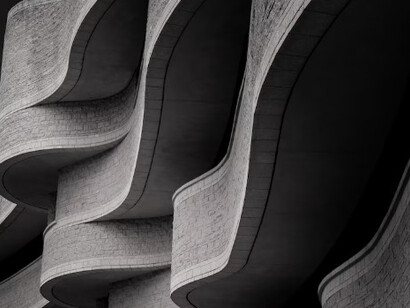
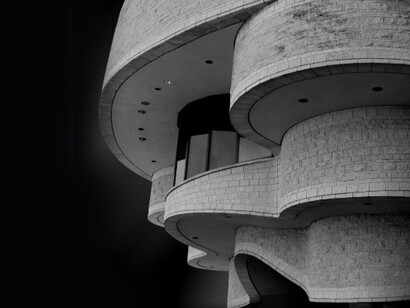
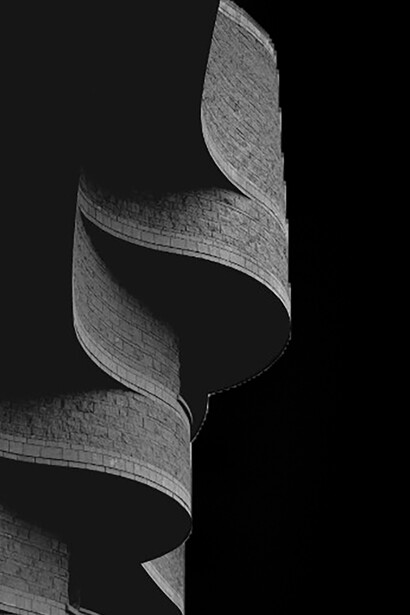
Interestingly, photography also has a manner of revealing details in a building that are not apparent when physically present. We see through the camera how materials catch the light or how repetitive forms create rhythm. Close-ups can highlight craftsmanship or imperfections that add character. Long exposures can blur crowds, making timeless the frenetic activity of a public square or railway station. In addition, architectural photography serves to preserve design heritage. Many buildings across the globe are lost through neglect, conflict, or redevelopment. In some cases, the photos are all that remain, visual time capsules documenting not just the physical structure but the atmosphere it had.
But it is not just aesthetics or preservation. Architectural photography plays a fundamental role in communication, especially in digital portfolios of architecture firms, real estate listings, or city planning presentations. A strong image can sell a project, win an award, or rally the public. Architectural competitions are often determined by visual submissions, where drama and legibility in a photograph can be as persuasive as technical drawings. There's also a creative dialogue between architects and photographers, whereby each informs the other. Architects can design with photo ops in mind—dramatic stairways, reflective surfaces, or aggressive rooflines that scream to be photographed.
Photographers, meanwhile, can introduce fresh perspectives that can inform future design directions, especially when they shoot the unexpected: back alleys, service entrances, or weathering corners that tell more compelling stories than polished front façades.
As technology evolves, so does the field of media. Drones and 360 photography now allow viewers to see architecture from the air or virtually walk through interiors from anywhere in the world. This has revolutionized architectural documentation, marketing, and education, making previously inaccessible buildings available to international audiences.
In this evolving visual culture, architectural photography also facilitates cross-cultural awareness through its focus on regionally specific design solutions to climate and history. A photograph of a Moroccan riad, Japanese teahouse, or Scandinavian cabin doesn't just show architecture—it invites guests into the values, traditions, and ways of life embodied within the built form. In this way, architectural photography is not just an art but a bridge between worlds, bringing people together through shared visual vocabulary.
For all these advancements, however, the nature of architectural photography remains the same as it has always been about one thing: looking. It's a question of developing sensitivity to space, proportion, and light and then translating it into an image that speaks to you. In this sense, architecture and photography share the same ultimate goal. Both are ultimately framing experience — one with space, the other with image. Together, they allow us to understand not just how the built world functions, but how it moves us, houses us, and mirrors who we are.