English
 Español
 Français
 Deutsch
 Italiano
 Português
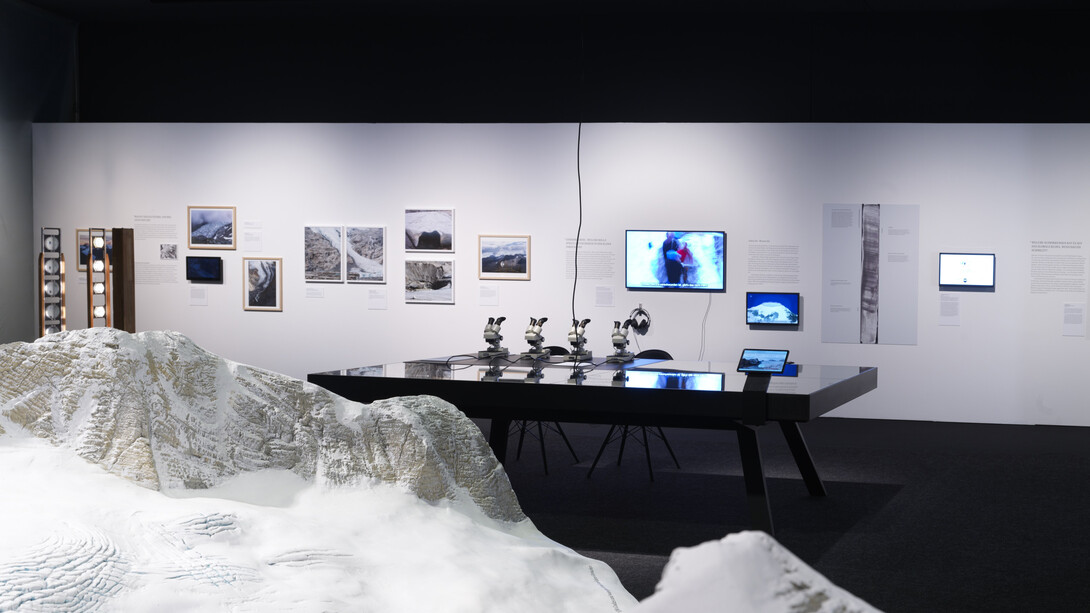
Glaciers are considered important indicators of climate change. Like a fever thermometer, they show how the temperature in a region is rising or falling. In Austria, glaciers are melting at a rapid pace. By the middle of this century, there will hardly be any glaciers left in the Eastern Alps.
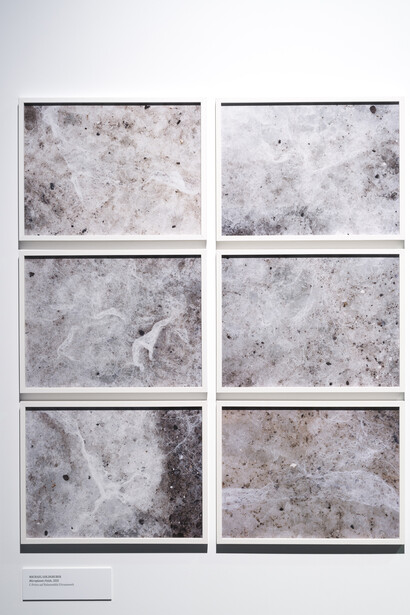
The exhibition at the castle museum, created in collaboration with the Institute for Interdisciplinary Mountain Research in Innsbruck, shows how glaciers are studied and the crucial role they play in understanding climate change. The centerpiece of the exhibition is an ice core from glacial ice up to 6,000 years old. Like an archive, the ice contains data on atmospheric composition, temperature, plant distribution, and much more, providing insights into climate history.
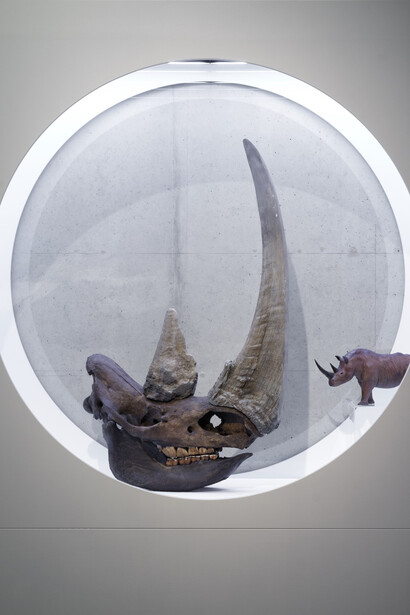
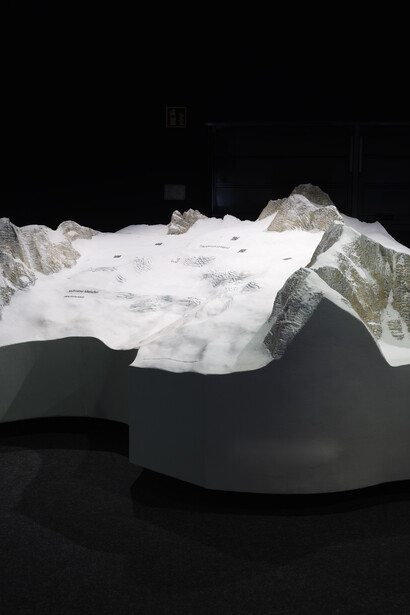
Glacier research in Austria is older than in almost any other country. Systematic observations and records have been kept for nearly 180 years. The Dachstein mountain plays a special role in this research: it was the research area of Friedrich Simony, one of the pioneers of glacier research. Simony was among the scientists who, at the beginning of the 20th century, proved that the alpine landscape was shaped by enormous glaciers that once stretched across the entire Alpine region. This evidence of a past ice age was what truly spurred climate research. The exhibition shows how glaciers form, what role they play in the global climate system, and how glacier research contributes to our ability to respond to climate change.