English
 Español
 Français
 Deutsch
 Italiano
 Português
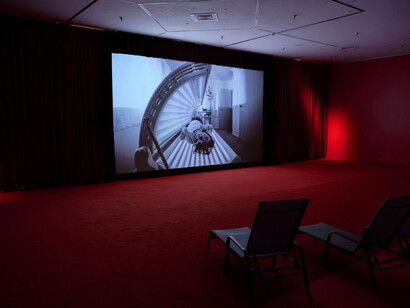
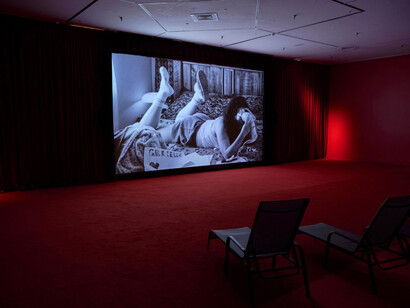
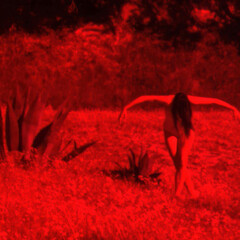
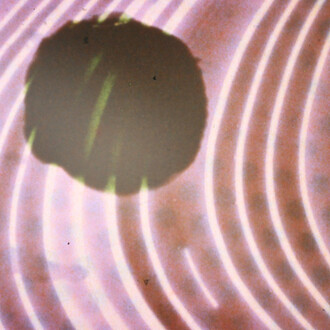
Heaven’s blade unfolds in a speculative world where the sun has become too intense for people to spend extended periods outdoors. Juliet Carpenter’s new moving image work, shot across Central Otago and Hawke’s Bay, follows two young girls in a multi-generational household as they navigate their relationship to light, visibility and the consequences of exposure. The film’s observational approach traces the repetition and rituals of domestic life, letting unease surface gradually through what stays unseen and unspoken—the hostile conditions beyond the walls of the home, and the family matriarch confined to a darkened room within.
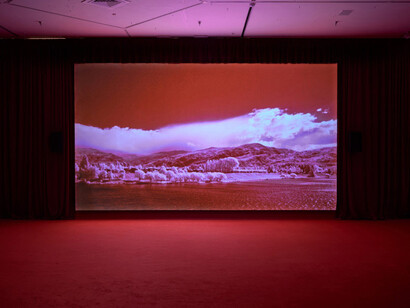
Carpenter’s practice explores how images, perception, and subjectivity are constructed and mediated through film technologies—here, through black-and-white photography, infrared imaging, surveillance systems, and spatial design. The film also draws on the tradition of settler-colonial landscape painting in Aotearoa New Zealand and on what art historian Francis Pound called the “Regional Real”: the way in which the idea of a specific and intense quality of “New Zealand light” made its way into the canon of twentieth-century landscape painting. In Heaven’s blade, Carpenter explores these ideas through the raw material of filmic image making itself: light.
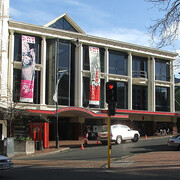
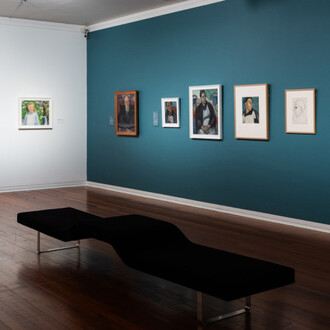
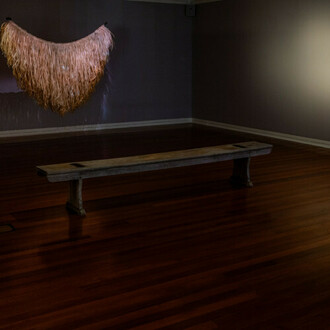
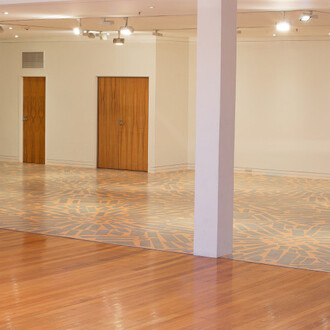
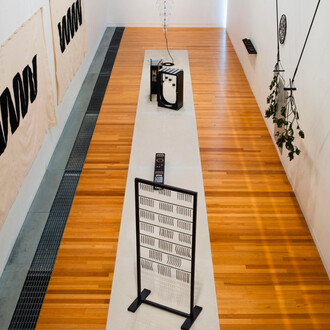
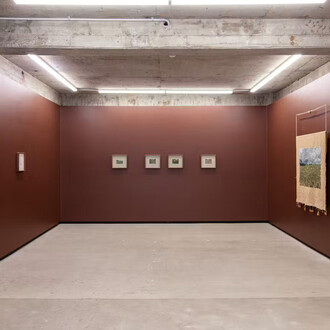
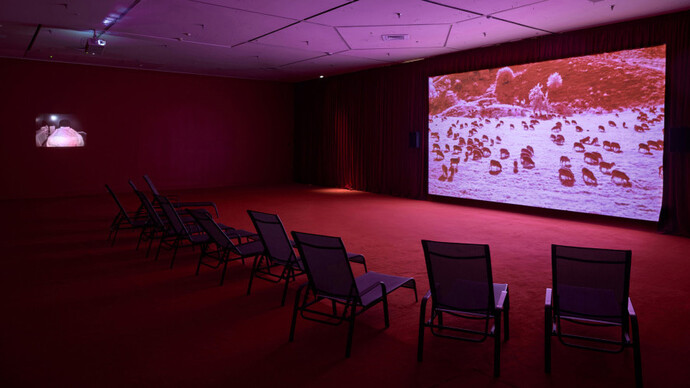
Heaven’s blade is presented as two unique exhibitions premiering concurrently at Dunedin Public Art Gallery and Te Whare Toi o Heretaunga Hastings Art Gallery over the summer of 2026-27. In Ōtepoti Dunedin, the exhibition space is divided between exterior and interior worlds. The exposed structure of the screen and the internal cinematic installation mirror the tension separating the outside world from the enclosed domestic spaces of the film. A live feed video from the Hastings exhibition depicts a reconstruction of a 1970s painting from the Dunedin Public Art Gallery collection, further looping and refracting the two parallel presentations. The work traces cycles of representation in which images are continually reproduced and transformed, creating subjects while simultaneously violating them. Between Ōtepoti Dunedin and Heretaunga Hastings, Heaven’s blade builds an immersive and unsettling cinematic environment where ecological, historical, and psychological forces converge.